Solar-Powered Roads: The Future of Sustainable Transportation Is Here
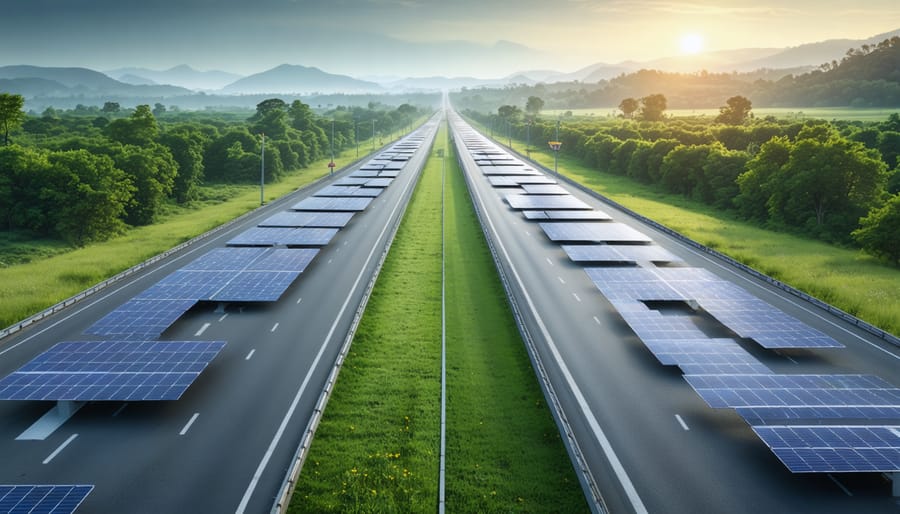
Imagine driving on a road that not only carries vehicles but harvests enough solar energy to power entire neighborhoods. Solar-powered roads represent one of the most ambitious innovations in affordable clean energy solutions, transforming our everyday infrastructure into smart, energy-generating surfaces.
These revolutionary roadways integrate photovoltaic cells beneath durable, transparent materials, creating a dual-purpose infrastructure that’s both a transportation network and a clean power plant. In France, the pioneering Wattway solar road already generates electricity for local street lighting, while similar projects in the Netherlands and China demonstrate the global potential of this technology.
Beyond energy generation, solar roads offer enhanced safety features through built-in LED lighting systems and heating elements that prevent ice formation during winter. As cities worldwide seek sustainable solutions to meet growing energy demands, these innovative roadways represent a compelling vision of future transportation infrastructure—one where every mile driven contributes to a cleaner, more sustainable energy grid.
This transformative technology isn’t just about powering our communities; it’s about reimagining how our infrastructure can work smarter for a sustainable future.
How Solar Roads Actually Work
Solar Panel Integration
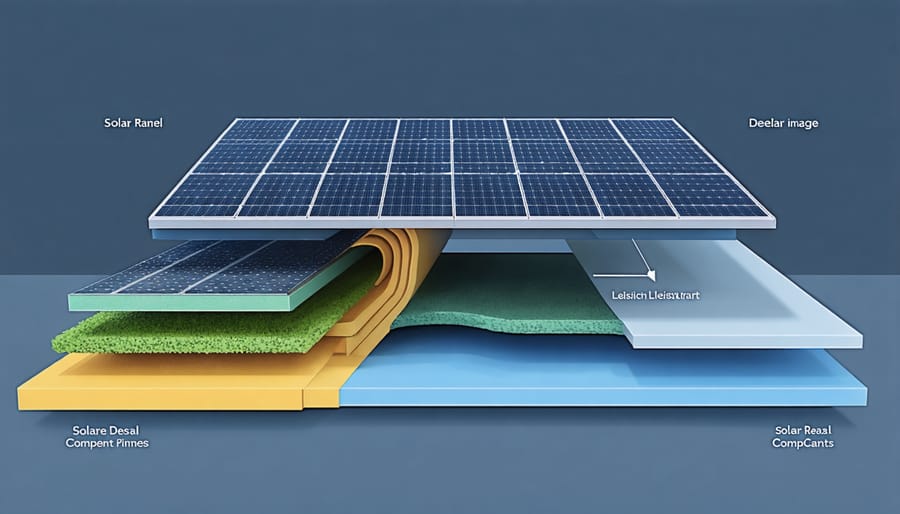
The integration of solar panels into road surfaces is a fascinating blend of engineering and renewable energy innovation. These specialized panels are designed with a layered approach, starting with a durable, transparent surface layer made from tempered glass that’s treated to provide the same traction as traditional asphalt. This top layer is engineered to withstand the weight of heavy vehicles while allowing sunlight to pass through.
Beneath the glass surface lies a sophisticated array of photovoltaic cells, carefully arranged to maximize energy capture even in less-than-ideal lighting conditions. These cells are protected by multiple layers of weatherproof materials that shield them from moisture, temperature fluctuations, and physical stress. A crucial middle layer houses the electrical components and wiring that collect and distribute the generated power.
The installation process involves removing existing road surfaces and preparing a specially designed foundation that can accommodate the solar panel modules. Each panel section is fitted with sensors and LED lights that can display road markings or warning signals, making these roads smarter and safer. The panels are installed in interlocking sections, allowing for easy maintenance and replacement when needed.
To ensure durability, the entire system is built with expansion joints that allow the road to flex with temperature changes and heavy use. A heating element is also incorporated to prevent snow and ice accumulation, making these roads practical in various climate conditions.
Energy Collection and Storage
Solar-powered roads harness energy through multiple layers of photovoltaic cells embedded beneath durable, transparent materials. These specialized cells capture sunlight throughout the day, converting it into usable electricity that can power nearby infrastructure or feed into the local power grid. The system works similarly to traditional solar power storage systems, but with enhanced durability to withstand vehicle traffic and weather conditions.
The energy collection process begins with the transparent top layer, which allows sunlight to reach the photovoltaic cells while protecting them from damage. These cells are connected to power converters that transform the collected solar energy into usable electricity. The electricity is then either immediately utilized or stored in high-capacity batteries installed alongside the road system.
Most solar road installations include smart power management systems that optimize energy distribution based on demand. During peak sunlight hours, excess energy is stored for use during nighttime or cloudy conditions. This stored power can support various applications, from street lighting and traffic signals to nearby buildings and electric vehicle charging stations.
The storage capacity varies by installation size, but typical systems can store enough energy to power surrounding infrastructure for 24-48 hours without additional solar input, ensuring consistent power availability regardless of weather conditions.
Real-World Applications and Success Stories
European Pilot Projects
Europe has emerged as a pioneer in solar road technology, with several successful pilot projects demonstrating the potential of this innovative solution. The Netherlands led the charge in 2014 with their SolaRoad project in Krommenie, a 70-meter cycling path that surpassed energy generation expectations in its first six months of operation. The path produced over 3,000 kWh, enough to power a small household for a year.
In France, the village of Tourouvre-au-Perche made headlines with the Wattway project in 2016. This one-kilometer stretch of solar-paneled road represented the world’s first solar-powered highway. Despite initial challenges, the project provided valuable insights into durability and efficiency improvements for future installations.
Hungary joined the solar road movement in 2020 with a 165-meter test track in Újhartyán. This project specifically focused on developing more cost-effective materials and installation methods, making the technology more accessible for wider adoption.
Sweden’s innovative approach in Stockholm combines solar roads with electric vehicle charging capabilities. Their 2019 pilot project features a 100-meter stretch that not only generates electricity but also charges vehicles as they drive over it, showcasing the potential for integrated sustainable transport solutions.
These European projects have consistently demonstrated improved efficiency and durability with each iteration. Data from these installations has helped engineers optimize panel design, enhance surface materials, and develop better protection against wear and tear. The success of these pilots has inspired similar initiatives across the continent, with several new projects currently in development phases in Germany, Spain, and Italy.
U.S. Solar Road Initiatives
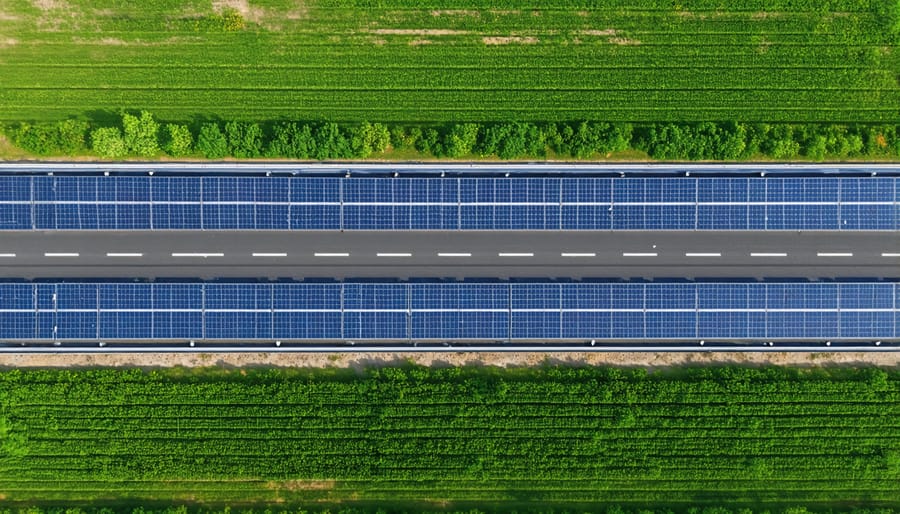
The United States has been exploring solar road technology through several pioneering projects, with mixed results that offer valuable insights for future developments. One of the most notable initiatives was the Solar Roadways project in Sandpoint, Idaho, which installed hexagonal solar panels in a public square in 2016. The project demonstrated the potential for integrating solar technology into public spaces while highlighting important challenges in durability and cost-effectiveness.
Another significant development occurred in Georgia, where the Ray C. Anderson Memorial Highway became a testing ground for solar-powered road technology. This “living laboratory” includes solar-paved sections that generate clean energy while providing valuable data about performance under real-world conditions.
In Missouri, the Route 66 Welcome Center installed solar panels in their parking lot in 2016, becoming the first public installation of its kind in America. While smaller in scale, this project provided important lessons about maintenance requirements and public acceptance of solar road technology.
These initiatives have revealed both promises and challenges. On the positive side, they’ve proven that solar roads can generate electricity while serving their primary transportation function. However, they’ve also exposed practical concerns about installation costs, maintenance requirements, and long-term durability under heavy traffic conditions.
Despite these challenges, American solar road projects continue to evolve. Recent improvements in materials science and engineering have led to more durable designs, while decreasing solar panel costs are making these projects increasingly viable. Several states are now considering new pilot programs, focusing on parking lots and low-traffic areas as proving grounds for this emerging technology.
Benefits for Communities and Homeowners
Energy Cost Reduction
Solar-powered roads offer significant potential for reducing energy costs across communities and municipalities. By converting sunlight into electricity, these innovative roadways can power street lights, traffic signals, and nearby buildings while substantially lowering traditional electricity expenses. A typical mile of solar road can generate enough electricity to power up to 80 homes, making it an attractive option for sustainable urban development and community solar initiatives.
The cost savings become particularly impressive when considering long-term operations. Cities implementing solar roads have reported electricity bill reductions of 30-50% for street lighting alone. During peak sunlight hours, excess energy can be stored or fed back into the grid, creating additional revenue streams through energy credits. This smart infrastructure investment typically pays for itself within 8-12 years through reduced utility costs and maintenance savings.
For homeowners and businesses near solar road installations, the benefits extend beyond public infrastructure. Many municipalities offer programs where nearby properties can tap into the generated power at reduced rates, creating a win-win situation for both the community and individual energy consumers. The system’s ability to generate clean energy during daylight hours also helps reduce strain on the power grid during peak usage times, potentially leading to more stable electricity prices for everyone in the area.
Environmental Impact
Solar-powered roads represent a significant leap forward in reducing transportation’s environmental footprint. These innovative surfaces generate clean energy while serving their primary purpose as roadways, creating a dual benefit for our planet. By harnessing solar energy that would otherwise be absorbed as heat, these roads help decrease the urban heat island effect common in cities.
The environmental benefits are substantial. A single mile of solar road can prevent approximately 50 tons of carbon dioxide emissions annually – equivalent to planting 500 trees. During their operational lifetime, these roads continuously generate renewable energy without consuming additional land resources, making them particularly valuable in urban areas where space is limited.
Beyond energy generation, solar roads contribute to environmental preservation in unexpected ways. Their built-in heating elements eliminate the need for salt and chemical de-icers during winter, protecting surrounding vegetation and groundwater. The LED lighting systems used in these roads consume significantly less energy than traditional street lighting, further reducing their carbon footprint.
When considering lifecycle assessment, solar roads show promise in sustainability. The materials used are increasingly recyclable, and manufacturers are developing more eco-friendly production processes. While the initial environmental cost of production is higher than traditional asphalt, the long-term benefits of clean energy generation and reduced maintenance requirements make solar roads an environmentally sound investment for our future transportation infrastructure.
Challenges and Future Developments
While solar-powered roads represent an exciting step forward in sustainable infrastructure, several challenges need to be addressed before widespread adoption becomes possible. The primary concern is durability – road surfaces must withstand heavy traffic, varying weather conditions, and constant wear and tear while maintaining their energy-generating capabilities. Current solar road materials, though improving, still struggle to match conventional asphalt’s durability.
Cost remains another significant hurdle. Installing solar road panels is substantially more expensive than traditional road construction, with estimates ranging from 3 to 5 times higher per mile. However, like other mobile solar technologies, costs are expected to decrease as manufacturing processes improve and production scales up.
Engineers are actively working on solutions to enhance the efficiency of solar road panels. Current versions convert about 15-20% of solar energy into electricity, but researchers are developing new materials and designs that could boost this percentage significantly. Additionally, teams are exploring ways to improve the panels’ transparency while maintaining their structural integrity.
Looking ahead, exciting developments are on the horizon. New self-cleaning surface treatments are being tested to reduce maintenance needs, and smart sensors are being integrated to monitor road conditions and traffic patterns. Some companies are also experimenting with wireless charging capabilities for electric vehicles as they drive over these solar surfaces.
The future of solar roads looks promising as technology advances and costs decrease. Communities worldwide are showing increased interest in pilot projects, and manufacturers are responding with improved designs. While challenges exist, the potential benefits of creating roads that generate clean energy while serving their primary transportation purpose continue to drive innovation in this field.
Solar-powered roads represent a promising frontier in sustainable transportation infrastructure, combining renewable energy generation with everyday travel needs. As we’ve explored throughout this article, these innovative surfaces have the potential to transform our communities into clean energy powerhouses while making our roads smarter and safer.
While the technology is still evolving, early implementations have shown encouraging results. From generating clean electricity to reducing ice formation and improving road safety, solar roads offer multiple benefits that align with our growing need for sustainable solutions. The success stories from pilot projects in France, the Netherlands, and China demonstrate that this technology is more than just a concept – it’s a viable path forward.
As we face increasing environmental challenges and energy demands, supporting solar road initiatives becomes crucial. Whether through advocacy in your local community, staying informed about technological developments, or participating in pilot programs, there are many ways to contribute to this transportation revolution.
The future of sustainable transportation lies in innovative solutions like solar roads. By embracing these technologies today, we can help create cleaner, more efficient infrastructure for tomorrow. Let’s work together to support the development and implementation of solar roads in our communities, paving the way for a brighter, more sustainable future.