Solar-Powered Homes: How to Light Your Home for Free With Sunshine
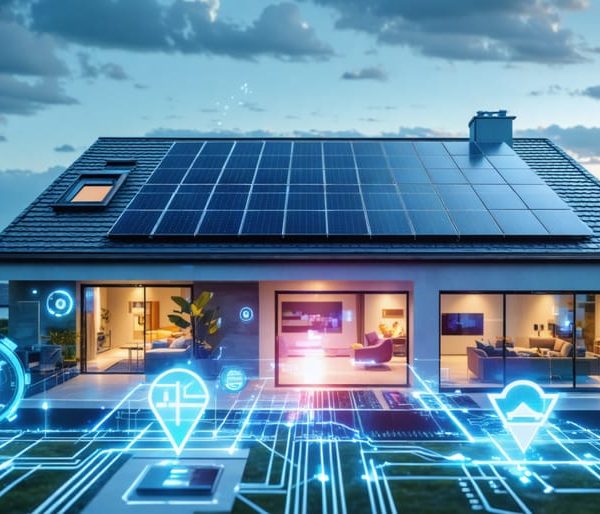
Transform your home into a self-sustaining energy hub with solar power technology that harnesses the sun’s endless potential. Modern solar-powered homes combine sleek rooftop panels, advanced battery storage systems, and smart energy management to create an efficient, eco-friendly living space that slashes electricity bills while protecting our planet.
Solar-powered housing works through a brilliantly simple yet sophisticated system: photovoltaic panels capture sunlight and convert it into electricity, which then flows through inverters to power everything from your kitchen appliances to your electric vehicle charging station. Excess energy gets stored in battery banks for nighttime use or fed back into the power grid, earning you credits on your utility bill.
Think of solar-powered housing as your personal power plant – a complete energy ecosystem that puts you in control of your home’s power consumption and environmental impact. Whether you’re looking to reduce your carbon footprint, achieve energy independence, or simply save money on monthly bills, solar technology has evolved to make these goals achievable for everyday homeowners.
This comprehensive guide will walk you through the essential components, installation process, and real-world benefits of solar-powered housing systems – everything you need to know to make an informed decision about powering your home with clean, renewable energy.

How Solar-Powered Home Lighting Actually Works
Solar Panels: Your Personal Power Plant
Solar panels are the heart of your home’s renewable energy system, working tirelessly to transform sunlight into electricity. These sleek, dark-colored panels contain photovoltaic cells made primarily of silicon, which spring into action when sunlight hits their surface. As photons from the sun interact with these cells, they create an electric field that generates direct current (DC) electricity.
Thanks to latest solar technology innovations, today’s panels are more efficient than ever, converting up to 20% of the sunlight they receive into usable energy. Each panel contains multiple cells working together, connected in a grid-like pattern beneath a protective glass surface. This design ensures maximum sun exposure while protecting the delicate components from weather damage.
Think of your solar panels as tiny power plants on your roof, silently collecting energy throughout the day. Even on cloudy days, they continue to generate electricity, though at a reduced capacity. The best part? Solar panels have no moving parts, which means they’re incredibly reliable and require minimal maintenance beyond occasional cleaning to keep them operating at peak efficiency.
Batteries and Storage Solutions
Solar batteries and storage solutions are the unsung heroes of solar-powered homes, ensuring you have electricity even when the sun isn’t shining. Modern battery systems, like the popular lithium-ion batteries, store excess energy generated during sunny days for use during nighttime or cloudy weather.
Think of these batteries as your home’s energy savings account – they collect and save power when production is high and distribute it when needed. Most residential systems use deep-cycle batteries designed specifically for daily charging and discharging cycles, ensuring reliable performance for years.
The storage capacity you’ll need depends on your household’s energy consumption patterns. A typical system might include batteries storing 10-15 kilowatt-hours of energy, enough to power an average home through the night. Smart battery management systems automatically monitor power levels, optimize charging cycles, and protect the batteries from overcharging or excessive discharge.
For backup power during extended periods of low sunlight, many homeowners combine their battery storage with grid connection, creating a hybrid system that ensures continuous power supply while maximizing solar energy usage.
The Inverter: Making Solar Power Usable
The inverter is the unsung hero of your solar power system, acting as a crucial translator between your solar panels and your home’s electrical system. Solar panels generate direct current (DC) power, but your household appliances and devices run on alternating current (AC). This is where the inverter steps in, converting DC power into the AC power your home needs.
Think of it as a language interpreter: your solar panels speak in DC, your home speaks in AC, and the inverter ensures they understand each other perfectly. Modern inverters are highly efficient, typically converting 95-98% of the DC power into usable AC electricity. They also provide real-time monitoring of your system’s performance, letting you track energy production through user-friendly apps on your smartphone.
Many inverters now come with smart features that help optimize your system’s performance and can even detect potential issues before they become problems.
Setting Up Your Solar Lighting System
Planning Your Lighting Needs
Before installing a solar-powered lighting system, it’s essential to carefully assess your home’s lighting requirements. Start by creating a room-by-room inventory of your current lighting setup, noting the number and type of fixtures, along with their average daily usage hours.
Consider both essential and non-essential lighting needs. Essential areas include kitchens, bathrooms, and workspaces, while non-essential might include decorative or outdoor accent lighting. Factor in seasonal variations – you’ll need more artificial lighting during winter months when daylight hours are shorter.
A helpful approach is to monitor your current electricity usage for lighting over a month. Most modern smart meters can provide this data, or you can use a simple electricity usage monitor. Multiply your daily average by 1.3 to create a safety margin for unexpected needs or visitors.
Remember to account for future changes, such as home office additions or landscape lighting plans. LED bulbs are highly recommended for solar-powered systems due to their energy efficiency – they use about 75% less energy than traditional bulbs while providing the same brightness.

Installation Basics
Installing a solar power system for your home involves several key steps and considerations. First, a professional solar consultant will assess your property’s solar potential by evaluating roof orientation, angle, and available sunlight hours. They’ll also review your current energy consumption patterns to determine the ideal system size.
The installation process typically takes 2-3 days, beginning with mounting the support rails on your roof. These rails create a secure foundation for the solar panels. Next, the panels are carefully positioned and attached to the rails, ensuring optimal exposure to sunlight. The inverter, which converts DC power from the panels into usable AC power, is installed near your main electrical panel.
Your installer will then connect the panels to the inverter and integrate the system with your home’s electrical network. This includes installing a bi-directional meter that tracks both energy consumption and production. Safety equipment, such as disconnect switches and surge protectors, is also put in place to protect your system.
Before activation, local authorities will inspect the installation to ensure it meets all building and electrical codes. Once approved, your utility company will give the final go-ahead to connect your system to the grid. Many homeowners are pleasantly surprised by how seamless and non-disruptive the installation process is, with minimal impact on their daily routines.
Remember, while DIY installation might seem tempting, professional installation ensures safety, optimal performance, and compliance with local regulations.
Maintenance and Monitoring
Regular maintenance is key to ensuring your solar-powered home system continues to operate at peak efficiency. Start by scheduling bi-annual professional inspections to check the panels, inverters, and wiring connections. These checkups help identify potential problems before they affect system performance or cause costly repairs.
Clean your solar panels every 3-4 months to remove dust, leaves, and debris that can reduce efficiency. Use soft brushes and specialized solar panel cleaning solutions to avoid scratching the panels. Pay special attention during fall and winter to ensure your system can perform effectively in winter.
Monitor your system’s performance through its digital interface or smartphone app. Track daily energy production and watch for unexpected drops in output, which might indicate common maintenance issues. Check battery health regularly if your system includes energy storage, and maintain proper ventilation around all components.
Keep trees and vegetation trimmed to prevent shading on the panels, and inspect roof conditions annually to ensure proper drainage and prevent water damage around panel mounts.
Cost Savings and Environmental Benefits
Calculate Your Energy Savings
Calculating your potential solar energy savings is easier than you might think. Start by gathering your past 12 months of electricity bills to determine your average monthly energy consumption in kilowatt-hours (kWh). This baseline helps estimate how many solar panels you’ll need and potential savings.
To maximize energy savings, consider these factors:
1. Your roof’s sun exposure and direction
2. Local electricity rates
3. Available solar incentives and tax credits
4. Current energy consumption patterns
A simple calculation method:
– Multiply your monthly kWh usage by your current electricity rate
– Subtract estimated solar production costs
– Factor in available incentives
– Account for potential energy price increases
For example, if you use 900 kWh monthly at $0.13 per kWh, your current annual electricity cost is $1,404. A properly sized solar system could offset 80-90% of this cost, potentially saving you $1,123-$1,263 yearly. Remember that actual savings vary based on location, system size, and local utility rates.
Many solar providers offer free savings calculators on their websites, or you can consult with local solar installers for a personalized estimate based on your specific situation and needs.

Environmental Impact
Solar-powered housing significantly reduces your environmental footprint while contributing to a more sustainable future. When you switch to solar power, your home’s carbon dioxide emissions drop dramatically – a typical residential solar system prevents about 4-5 metric tons of CO2 from entering the atmosphere each year. That’s equivalent to planting over 100 trees!
Beyond carbon reduction, solar-powered homes help conserve precious water resources. Unlike traditional power plants that require massive amounts of water for cooling, solar panels operate without water consumption. This becomes particularly important in drought-prone regions where water conservation is crucial.
The environmental benefits extend throughout the system’s lifetime. Modern solar panels are designed to last 25-30 years, providing decades of clean energy production. When it’s finally time to replace them, most components are recyclable, further reducing environmental impact. The silicon, glass, and metal components can be recovered and repurposed into new panels or other products.
By choosing solar power for your home, you’re not just saving on energy bills – you’re actively participating in the global transition to renewable energy and helping preserve our planet for future generations.
Available Incentives and Rebates
Making the switch to solar power has never been more affordable, thanks to numerous financial incentives available across the country. The federal solar tax credit, also known as the Investment Tax Credit (ITC), allows you to deduct 30% of your solar system’s cost from your federal taxes. This significant saving applies to both residential and commercial installations.
Many states offer additional tax incentives, grants, and rebates that can further reduce your initial investment. For example, some states provide property tax exemptions for the added home value from solar installations, while others offer sales tax exemptions on solar equipment purchases.
Local utility companies frequently provide performance-based incentives, including net metering programs that credit you for excess energy your system produces. Some utilities also offer upfront rebates or performance-based incentives that pay you for the energy your system generates.
Solar Renewable Energy Credits (SRECs) are another valuable incentive in many states, allowing you to earn additional income by selling credits for the clean energy your system produces. Combined with reduced energy bills, these incentives can help your solar investment pay for itself much sooner than you might expect.
Solar-powered housing represents a remarkable step forward in sustainable living, offering homeowners a practical way to reduce their environmental impact while enjoying significant cost savings. Throughout this guide, we’ve explored how solar panels capture sunlight, convert it into usable electricity, and power our homes through sophisticated yet straightforward systems.
Remember that the key components – solar panels, inverters, and battery storage systems – work together seamlessly to provide reliable, renewable energy for your home. The initial investment in solar technology pays off through reduced utility bills, increased property value, and various government incentives available to homeowners.
What’s particularly exciting is that solar technology continues to advance, becoming more efficient and affordable each year. Whether you’re considering a complete solar installation or starting with a smaller system, the benefits are clear: lower energy costs, reduced carbon footprint, and greater energy independence.
Take the first step toward solar-powered living by consulting with certified solar installers in your area. They can assess your home’s solar potential and design a system that meets your specific needs. With proper planning and installation, you’ll join thousands of homeowners already enjoying the advantages of clean, renewable energy while contributing to a more sustainable future.
The time to embrace solar power is now – your wallet and the planet will thank you for it.