

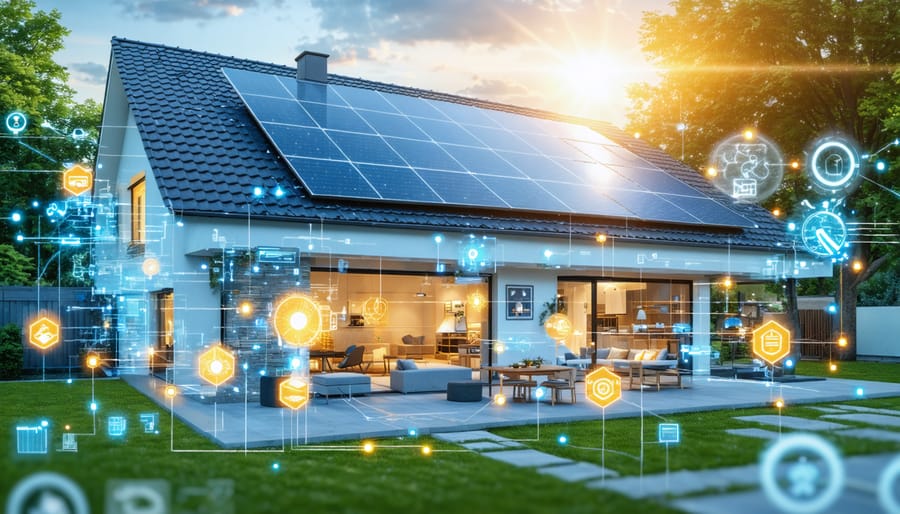
Solar Home Automation Cuts Your Electric Bill in Half (Real Results)
Transform your monthly electricity bills into substantial savings by combining solar power with intelligent energy management strategies. Installing smart solar automation systems can slash your energy costs by up to 70% while maximizing your solar investment’s efficiency. Modern solar solutions now offer unprecedented control over your home’s energy consumption, from automated panel cleaning systems that maintain peak performance to AI-driven power distribution that prioritizes solar usage during peak generation hours.
By optimizing your solar setup with today’s innovative technologies, you’re not just reducing bills – you’re creating a self-sustaining energy ecosystem that pays for itself faster than traditional solar installations. Whether you’re a new solar adopter or looking to enhance your existing system, implementing these cutting-edge solutions delivers immediate savings while future-proofing your home against rising energy costs.
This guide reveals proven strategies that combine solar technology with smart home integration, helping you maximize every ray of sunshine while minimizing grid dependency. Learn how real homeowners are achieving energy independence and discover practical steps to revolutionize your household’s power consumption.
Smart Solar Integration: The Foundation of Energy Savings
Automated Solar Panel Tracking
Solar tracking systems are like a high-tech sunflower for your panels, continuously adjusting their position to follow the sun’s path throughout the day. These smart systems use sensors and motors to tilt and rotate your panels, ensuring they receive maximum sunlight from dawn to dusk.
By implementing automated tracking, you can boost your solar energy production by 25-35% compared to fixed installations. This means more power generation during morning and evening hours when traditional static panels typically perform poorly.
There are two main types of tracking systems: single-axis trackers that move east to west, and dual-axis trackers that also adjust for seasonal changes in the sun’s height. While dual-axis systems offer the highest efficiency, single-axis trackers provide an excellent balance of performance and maintenance requirements.
Modern tracking systems come with smart features like weather monitoring, which automatically adjusts panels during storms or high winds to prevent damage. They also include mobile apps that let you monitor performance and make manual adjustments if needed.
The initial investment in tracking technology typically pays for itself through increased energy production within 3-5 years, making it a worthwhile consideration for maximizing your solar investment.
Smart Inverter Management
Modern smart inverter technology is revolutionizing how we manage solar power systems. These intelligent devices automatically adjust power conversion settings based on your home’s energy needs, weather conditions, and grid requirements. By monitoring real-time data, smart inverters can seamlessly switch between solar, battery, and grid power to maximize efficiency and savings.
The key to getting the most from your smart inverter is proper configuration. Start by setting up your preferred operating modes – like prioritizing solar power during peak sunlight hours and battery power during evening peak rates. Many systems now offer smartphone apps that let you track performance and adjust settings remotely.
Enable features like power factor correction and voltage regulation to improve overall system efficiency. These automated functions help maintain optimal power quality while reducing unnecessary energy losses. Smart inverters can also communicate with your utility company to participate in grid services programs, potentially earning you additional credits on your bill.
Remember to regularly check your inverter’s performance metrics and update its firmware to ensure you’re benefiting from the latest optimization features and energy-saving algorithms.
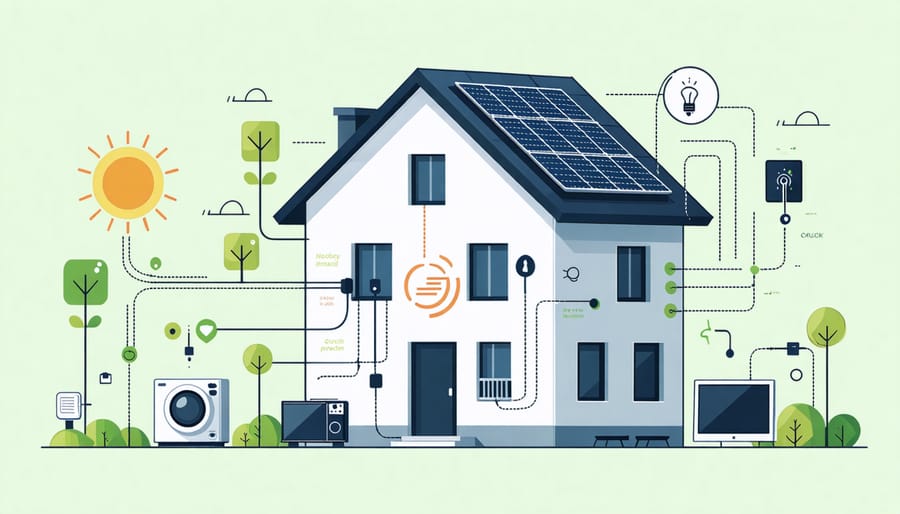
Intelligent Energy Distribution
Peak Load Shifting
Peak load shifting is one of the smartest ways to maximize your solar investment and reduce electricity bills. By strategically using your stored solar energy during high-demand periods, you can avoid paying premium rates during peak hours when grid electricity is most expensive.
The concept is simple: store excess solar energy generated during sunny hours in your battery system, then use this stored power during peak demand times, typically in the evening between 4 PM and 9 PM. This approach is particularly effective if your utility company uses time-of-use pricing.
To implement peak load shifting effectively:
1. Program your home energy management system to automatically switch to battery power during peak hours
2. Schedule energy-intensive activities (like running the dishwasher or charging electric vehicles) during off-peak times
3. Use smart appliances that can be programmed to operate during solar-productive hours
4. Monitor your energy consumption patterns to identify opportunities for load shifting
Many solar users report saving 30-40% on their electricity bills by implementing these strategies. Modern solar inverters and battery systems make this process largely automated, requiring minimal daily input once properly configured.
Remember that seasonal adjustments may be necessary, as peak hours and solar production can vary throughout the year. Regular monitoring and small adjustments to your usage patterns can lead to significant long-term savings.
Smart Appliance Scheduling
Making the most of your solar energy means timing your power usage to match peak sunlight hours. By scheduling your energy-intensive appliances strategically, you can maximize your solar system’s benefits and minimize grid electricity consumption.
The best time to run major appliances is typically between 10 AM and 4 PM when solar production is at its highest. Start by identifying your power-hungry devices: washing machines, dryers, dishwashers, and pool pumps are usually the biggest energy consumers.
Most modern appliances come with built-in delay timers or smart home compatibility. Take advantage of these features to automate your energy usage. For example, load your dishwasher after dinner but set it to run the next day during peak solar hours. Similarly, schedule your pool pump to operate during midday rather than running it overnight.
Smart home systems can take this automation even further. Many solar monitoring apps can integrate with home automation platforms, allowing your appliances to respond to real-time solar production data. Some systems can even automatically adjust scheduling based on weather forecasts, ensuring optimal energy usage even on partially cloudy days.
Remember to consider your local climate patterns. In summer, you might have longer peak production hours, while winter may require more careful scheduling around shorter daylight periods. By aligning your appliance usage with solar production, you’ll significantly reduce your reliance on grid power and maximize your solar investment.
Real-Time Monitoring and Optimization
Energy Usage Analytics
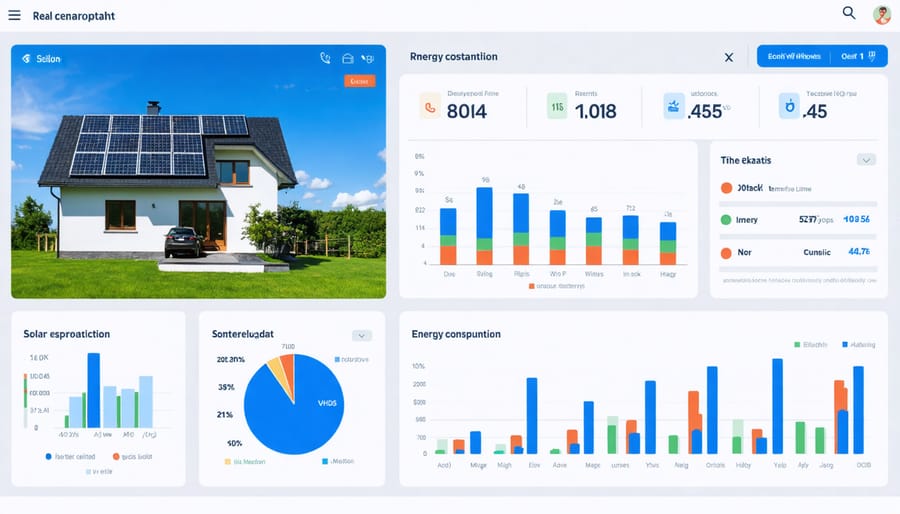
Modern solar systems come equipped with sophisticated monitoring tools that provide detailed insights into your energy consumption patterns. By analyzing this data, you can make informed decisions to optimize your solar power usage and reduce electricity bills even further.
Start by reviewing your daily and hourly consumption graphs to identify peak usage times. Look for unexpected spikes in energy use, which often indicate inefficient appliances or energy waste. Many solar monitoring apps can break down consumption by device, helping you spot energy-hungry appliances that might need upgrading or replacement.
Pay attention to seasonal patterns in your energy usage. During summer months, you might notice increased consumption from air conditioning, while winter months might show higher heating costs. Use this information to adjust your habits accordingly, such as running energy-intensive appliances during peak solar production hours.
Set up alerts for unusual energy consumption patterns. This can help you quickly identify and address issues like malfunctioning equipment or accidentally left-on devices. Many modern systems also offer predictive analytics, suggesting optimal times for running appliances based on expected solar production and historical usage patterns.
Regular analysis of your energy data can lead to significant savings – many homeowners report reducing their electricity bills by an additional 15-20% through data-driven optimization alone.
Weather-Based Adjustments
Modern solar systems can be equipped with smart controllers that automatically adjust your energy usage based on weather forecasts and real-time conditions. These intelligent systems use weather data to optimize your solar power consumption and minimize reliance on grid electricity during cloudy periods or extreme weather.
When sunny weather is predicted, these systems can automatically schedule energy-intensive tasks like running your dishwasher or charging electric vehicles. During cloudy periods, they might reduce non-essential power consumption or switch to stored battery power to maintain efficiency.
Some advanced systems even integrate with smart home devices to make micro-adjustments throughout the day. For instance, they might slightly adjust your thermostat settings or modify pool pump schedules based on expected solar production. This proactive approach helps maintain comfort while maximizing solar energy usage.
Many homeowners report saving an additional 15-20% on their electricity bills after implementing weather-based automation. Sarah Thompson, a solar homeowner in California, shares, “Our system automatically adjusts our appliance schedules based on weather forecasts. We barely think about it anymore, but our bills are consistently lower than before.”
To get started with weather-based optimization, consult with your solar installer about compatible smart controllers and automation options for your specific setup.
Practical Implementation Steps
System Selection and Setup
Selecting the right solar components is crucial for maximizing your energy savings. Start with a thorough home solar system setup assessment to determine your household’s energy needs. Consider factors like your average daily electricity consumption, available roof space, and local climate conditions.
For optimal performance, choose high-efficiency solar panels with a power rating suitable for your needs. Look for panels with warranties of 25 years or more, ensuring long-term reliability. Inverters are equally important – opt for models with advanced monitoring capabilities to track your system’s performance in real-time.
Battery storage systems are worth considering if you want to maximize self-consumption and have backup power during outages. While they add to initial costs, batteries can significantly increase your energy independence and savings potential.
Work with certified installers who can properly position your panels to capture maximum sunlight throughout the day. They should also ensure proper ventilation behind the panels to maintain efficiency and conduct thorough safety checks of your roof’s structural integrity.
Remember to check local regulations and obtain necessary permits before installation. Many areas offer incentives and rebates for solar installations, so research available programs to reduce your upfront costs.
Optimization and Maintenance
Regular maintenance and optimization of your solar system can significantly boost its performance and maximize your electricity savings. Start by establishing a cleaning routine – aim to clean your solar panels every three to six months, depending on your local environment. Dust, leaves, and bird droppings can reduce efficiency by up to 25%, so gentle cleaning with water and a soft brush can make a substantial difference.
Monitor your system’s performance through its accompanying app or monitoring system. Look for unexpected drops in energy production, which might indicate issues requiring attention. Check inverter displays regularly for error messages or unusual readings, as inverters are crucial for converting solar power into usable electricity.
Trim nearby trees or vegetation that might cast shadows on your panels, as even partial shade can dramatically reduce energy production. Consider installing optimizers or microinverters if some panels consistently receive shade – these devices help maintain overall system efficiency even when individual panels are compromised.
Schedule professional inspections annually to check electrical connections, mounting hardware, and overall system health. This preventive maintenance helps avoid costly repairs and ensures your system operates at peak efficiency. Keep detailed records of your system’s performance and maintenance history to track long-term trends and identify potential issues early.
During winter months, clear snow from panels when safe to do so, and adjust panel angles if your mounting system allows for seasonal optimization. These simple maintenance steps can help maintain optimal electricity production year-round.
Embracing solar technology isn’t just about being environmentally conscious – it’s a smart financial decision that keeps paying dividends. By implementing the strategies we’ve discussed, you can significantly reduce your electricity bills while contributing to a more sustainable future. From optimizing panel placement to leveraging solar automation cost savings, each step brings you closer to energy independence.
Remember, the journey to lower electricity bills starts with a single solar panel, but it’s the combination of smart monitoring, regular maintenance, and automated efficiency that delivers the best results. Whether you’re a homeowner looking to cut costs or a business owner aiming to reduce operational expenses, solar power offers a proven path to significant savings.
Don’t wait to start your solar journey. Begin with small steps, monitor your progress, and gradually expand your system as you see the benefits. The technology is ready, the savings are real, and the planet will thank you. Take action today to secure your energy-efficient tomorrow.


