Solar USB Chargers That Actually Work Outdoors (Real-World Performance Tests)
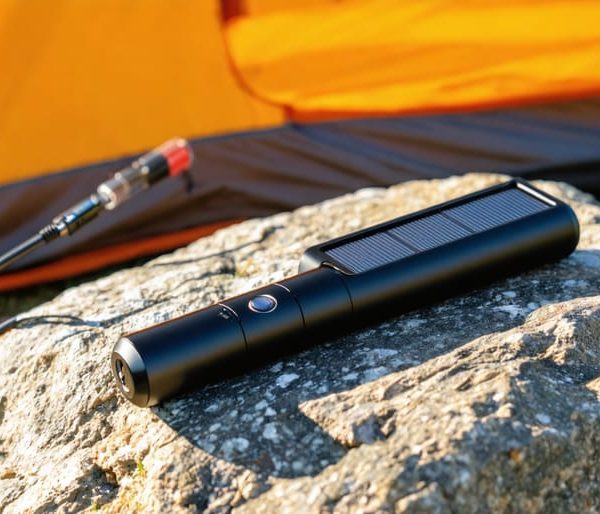
Harness the sun’s unlimited power to keep your devices charged anywhere with today’s advanced outdoor solar USB chargers. These portable powerhouses have transformed how outdoor enthusiasts, hikers, and adventurers stay connected off the grid. Modern solar chargers combine high-efficiency photovoltaic cells with rugged, weather-resistant construction to deliver reliable charging performance in challenging environments. Whether you’re planning a weekend camping trip or preparing for emergency situations, these devices offer a sustainable solution for keeping smartphones, tablets, and other USB-powered gear ready for action. With charging speeds now rivaling traditional power banks and multi-device compatibility becoming standard, solar USB chargers have evolved from a survival tool to an essential outdoor companion. The latest models feature intelligent charging technology that optimizes power delivery based on available sunlight, ensuring your devices receive stable, safe charging even under variable conditions.
How Outdoor Solar USB Chargers Work
Solar Panel Technology
Modern outdoor solar USB chargers primarily use three types of solar panel technologies, each offering unique advantages for portable charging solutions. Monocrystalline panels, known for their high efficiency and sleek black appearance, are perfect for compact chargers where space is limited. Polycrystalline panels, while slightly less efficient, offer excellent value and perform well in varied lighting conditions. The newest addition, CIGS (Copper Indium Gallium Selenide) thin-film panels, provides impressive flexibility and lightweight design, making them ideal for foldable chargers.
Understanding these solar technology installation basics helps you choose the right charger for your needs. Most portable chargers use monocrystalline panels due to their superior efficiency-to-size ratio, typically converting 15-22% of sunlight into usable energy. This higher efficiency means faster charging times and smaller panel dimensions, perfect for backpackers and outdoor enthusiasts who need reliable power without added bulk.

Power Output and Charging Capabilities
Most outdoor solar USB chargers deliver output ranging from 5V/2A to 5V/3A, which is perfect for charging smartphones, tablets, and other portable devices. The standard USB ports typically provide 10-15 watts of power, while newer models featuring USB-C can deliver up to 20 watts for faster charging speeds.
Charging times vary depending on sunlight conditions and your device’s battery capacity. Under direct sunlight, you can expect to charge a smartphone in 2-3 hours, though this may extend to 4-5 hours on cloudy days. Many modern solar chargers include smart charging technology that automatically adjusts the power output to match your device’s requirements, preventing overcharging and ensuring safe, efficient power delivery.
For optimal charging performance, look for models with built-in voltage regulators and multiple USB ports that can charge several devices simultaneously. Some advanced units even include power banks that store energy for charging when sunlight isn’t available.
Key Features to Look For
Weather Resistance
Weather resistance is a crucial feature for any outdoor solar USB charger, as these devices must withstand various environmental conditions. Most quality solar chargers come with an IP (Ingress Protection) rating, typically IP65 or higher, indicating their ability to resist water and dust. The first number represents dust protection (6 means completely dustproof), while the second number indicates water resistance (5 means protection against water jets from any angle).
Look for chargers with robust, weather-sealed ports and a durable outer casing made from high-grade materials like reinforced plastic or silicone. Many models feature rubber port covers that keep moisture out when not in use. While most outdoor solar chargers are water-resistant, they’re not typically waterproof – meaning they can handle rain and splashes but shouldn’t be submerged in water.
These protective features ensure your charger remains reliable during unexpected weather changes, making it perfect for hiking, camping, or emergency backup power.
Charging Efficiency
Modern outdoor solar USB chargers typically achieve conversion rates between 15-25%, depending on the quality of their solar panels and environmental conditions. To maximize solar energy efficiency, position your charger in direct sunlight during peak hours (10 AM to 2 PM). Real-world charging speeds vary significantly based on weather conditions, with a 10W charger taking approximately 2-3 hours to charge a smartphone in optimal sunshine, compared to 4-6 hours on cloudy days. Premium models featuring ETFE coating and monocrystalline panels generally offer better performance, converting more sunlight into usable power even in less-than-ideal conditions. For consistent charging, look for models with built-in voltage regulators that help maintain steady power output despite varying light conditions.
Portability and Design
Modern outdoor solar USB chargers are engineered with convenience in mind, typically weighing between 7 to 14 ounces and folding down to roughly the size of a smartphone. Most models feature compact designs that easily slip into backpacks or attach to the outside using built-in carabiners or grommets. When unfolded, these chargers can be secured to tents, backpacks, or bicycles using adjustable straps or integrated mounting loops.
Many premium models come with kickstands or reinforced corners that allow for optimal sun positioning without additional support. For extended outdoor trips, look for chargers with weatherproof materials and reinforced connection points that can withstand regular handling and exposure to the elements. Some innovative designs even include magnetic mounting systems or suction cups for temporary installation on smooth surfaces like windows or boat decks.
Real-World Applications
Camping and Hiking
When heading into the great outdoors, a solar USB charger becomes your reliable power companion. Set up your charger at your campsite by finding a spot with direct sunlight, ideally attaching it to your tent or backpack. For hikers, most portable solar chargers easily clip onto backpacks, allowing you to charge devices while walking during daylight hours.
To maximize charging efficiency during your outdoor adventures, position the solar panels to face the sun directly, adjusting the angle throughout the day when possible. Many experienced campers recommend charging a power bank during sunny hours, which can then be used to charge devices at night or during cloudy weather.
Remember to keep your solar charger clean and protected from dirt and moisture while camping. A quick wipe with a dry cloth helps maintain optimal performance. For multi-day trips, plan your power needs in advance and consider charging essential devices like GPS units and emergency communication devices first.
Pro tip: Use your solar charger during rest breaks on hikes when the sun is strongest, typically between 10 AM and 2 PM, to get the most efficient charge.

Emergency Preparedness
Solar USB chargers are essential components of any well-planned emergency kit. During natural disasters or power outages, these portable devices can keep your critical communication devices running when traditional power sources fail. Unlike battery banks that eventually run dry, solar chargers can continuously generate power as long as there’s daylight.
For emergency preparedness, consider a solar charger with at least 20W output and multiple USB ports to charge several devices simultaneously. Look for models with built-in batteries for nighttime charging and water-resistant features for harsh weather conditions. Many emergency response teams now include solar chargers in their standard equipment due to their reliability and sustainable power generation.
Keep your solar charger ready by storing it in an easily accessible location and testing it periodically. Consider having a backup unit and remember to include any necessary charging cables in your emergency kit. During extended power outages, these devices can be literal lifesavers by keeping you connected to emergency services and loved ones.
Daily Outdoor Activities
From morning jogs to evening camping trips, solar-powered devices have become essential companions for outdoor enthusiasts. Start your day by charging your fitness tracker while exercising in the park, letting the morning sun power up your device. During lunch breaks, place your solar charger near a window or outdoor seating area to juice up your smartphone. Weekend activities like hiking, camping, or beach outings become worry-free when you can easily charge multiple devices using natural sunlight.
For photographers and nature enthusiasts, these chargers are perfect for keeping camera batteries and GPS devices powered during extended outdoor shoots. Urban commuters can attach the charger to their backpacks, harvesting solar energy during their daily walks or bicycle rides. Even casual outdoor activities like picnics or playground visits become opportunities to harness clean energy while staying connected.
Installation and Maintenance Tips
Optimal Positioning
To get the most from your outdoor solar USB charger, proper positioning is crucial. Start by finding a spot with unobstructed access to sunlight – avoid areas shaded by trees, buildings, or other structures. For optimal performance, angle your charger approximately 30-45 degrees toward the sun, adjusting this angle based on your location and the season.
During summer months, a flatter angle works best as the sun travels higher in the sky. In winter, increase the angle to capture more of the lower-traveling sun. If possible, rotate your charger throughout the day to follow the sun’s path from east to west – this can boost charging efficiency by up to 30%.
Remember that different weather conditions affect charging speed. Even on cloudy days, position your charger in the brightest available area. For stationary setups, south-facing placement (in the Northern Hemisphere) provides the most consistent exposure. When hiking or camping, consider using a clip or stand to secure your charger to your backpack or tent, ensuring it remains properly oriented toward the sun while you’re on the move.
Keep the solar panels clean and free from debris to maintain maximum charging efficiency.

Care and Storage
To keep your outdoor solar USB charger performing at its best, proper care and storage are essential. After each use, gently clean the solar panels with a soft, damp cloth to remove dust, dirt, and debris that can reduce charging efficiency. Avoid using harsh chemicals or abrasive materials that might scratch the panel surface.
When not in use, store your charger in a cool, dry place away from direct sunlight and extreme temperatures. Consider using a protective case or pouch to prevent scratches and damage to the solar panels and charging ports. While the device is weather-resistant, prolonged exposure to harsh elements can affect its lifespan.
Regularly inspect the USB ports and connections for signs of wear or damage. Keep them clean and free from debris to ensure reliable charging. During storage, maintain the battery at around 50% charge – this helps preserve battery life and ensures the device is ready when you need it.
For winter storage, bring the charger indoors to protect it from freezing temperatures. Check the device periodically and give it a brief charge every few months to maintain optimal battery health.
Outdoor solar USB chargers represent a significant step forward in sustainable technology, offering a reliable and eco-friendly solution for keeping our devices powered while enjoying the great outdoors. By harnessing the sun’s energy, these devices not only provide convenience but also contribute to reducing our carbon footprint. They’ve proven themselves invaluable for everyone from weekend campers to emergency preparedness enthusiasts, offering peace of mind and reliable power when traditional sources aren’t available. As we move towards a more sustainable future, adopting solar charging solutions becomes increasingly important. Whether you’re planning your next outdoor adventure or simply want to make more environmentally conscious choices, an outdoor solar USB charger is a smart investment that benefits both you and the planet. Join the growing community of sustainable technology users and make the switch to solar power today.