How Solar Power Slashes Energy Bills for Entire Neighborhoods
Solar power stands at the forefront of our clean energy revolution, with modern panels now converting up to 23% of sunlight into usable electricity – a remarkable leap from the 6% efficiency of early systems. This dramatic improvement transforms how homeowners and communities approach energy independence, making solar power increasingly attractive for both environmental and economic reasons.
As energy costs continue to rise, understanding solar efficiency becomes crucial for maximizing return on investment. Today’s solar installations combine advanced photovoltaic technology with smart monitoring systems, allowing households to capture and utilize sunlight more effectively than ever before. Real-world data shows that well-designed solar systems can reduce monthly energy bills by 50-90%, while proper placement and maintenance can extend panel life beyond 25 years.
Communities across America are discovering that solar efficiency isn’t just about individual panels – it’s about creating sustainable energy networks. From shared solar gardens to neighborhood microgrids, collective solar initiatives are revolutionizing how we think about power generation and distribution. These community-based approaches not only improve overall system efficiency but also make clean energy accessible to more households, regardless of their roof conditions or initial investment capabilities.
Community Solar Programs: The Power of Collective Action
Shared Solar Infrastructure
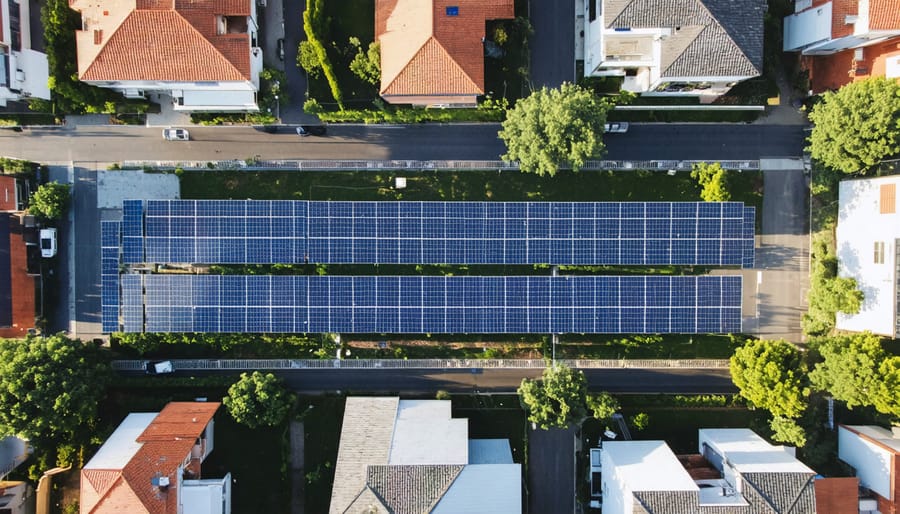
Shared solar infrastructure, also known as community solar, is revolutionizing how neighborhoods access clean energy. Instead of installing panels on individual homes, communities can pool their resources to create a centralized solar array that benefits multiple households. This approach typically reduces installation costs by 15-20% compared to individual installations while maximizing energy production.
These community systems work by allowing residents to subscribe to or purchase shares in a local solar installation. The generated power flows into the main grid, and subscribers receive credits on their electricity bills based on their share of the system’s output. This setup is particularly beneficial for renters, homeowners with shaded roofs, or those living in multi-unit buildings.
Many neighborhoods are now implementing “smart community grids” that optimize power distribution based on real-time usage patterns. These systems often include shared battery storage solutions, enabling communities to store excess energy for use during peak demand or cloudy days. The result is a more resilient and efficient power network that can reduce electricity costs for all participants while supporting local energy independence.
For those interested in starting a community solar project, local utility companies often provide guidance and sometimes offer incentive programs to help get these initiatives off the ground.
Cost-Sharing Benefits
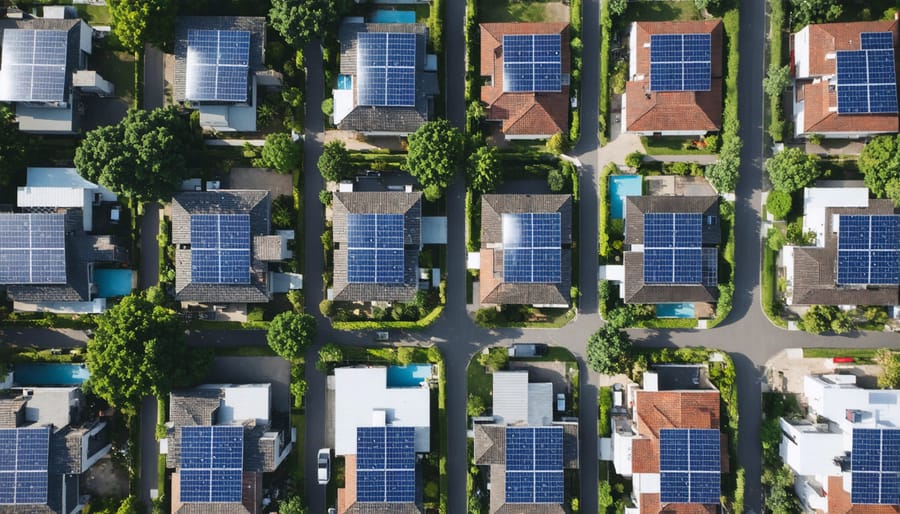
Community-based solar initiatives offer substantial financial benefits of solar energy through shared investment and maintenance costs. When neighbors join forces to implement solar power systems, individual households can save 20-30% on initial installation expenses compared to going solo. These savings stem from bulk purchasing power, shared infrastructure costs, and group discounts from installers.
Many communities have successfully implemented shared solar programs where residents pool their resources to install larger, more efficient solar arrays. This collaborative approach not only reduces individual financial burden but also maximizes energy generation potential. Participants typically see returns on their investment within 5-7 years, compared to 8-10 years for individual installations.
Additional cost-sharing advantages include shared maintenance responsibilities, collective insurance coverage, and group negotiating power with utility companies. Some communities have even established solar cooperatives, allowing members to benefit from excess energy generation credits and shared storage solutions. This collective approach makes solar power more accessible to households that might otherwise find individual installation costs prohibitive.
Maximizing Solar Energy Efficiency
Panel Placement and Orientation
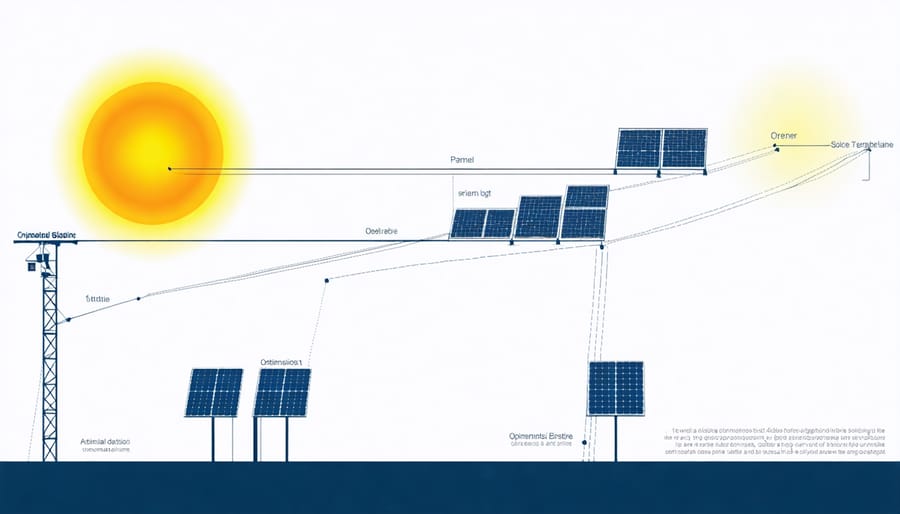
The position and orientation of your solar panels can make or break your system’s efficiency. For optimal performance, panels should face true south in the Northern Hemisphere (or true north in the Southern Hemisphere). This alignment maximizes sun exposure throughout the day, helping you generate more power from your investment.
The ideal tilt angle for your panels typically matches your location’s latitude. For example, if you’re at 40 degrees latitude, your panels should be tilted at approximately 40 degrees. However, you can adjust this angle seasonally – steeper in winter and flatter in summer – to capture more sunlight if your mounting system allows for adjustments.
Avoid shade at all costs! Even partial shade on one panel can significantly reduce the output of your entire solar array. Before installation, conduct a shade analysis throughout the day and across different seasons. Remove or trim any trees or obstacles that might cast shadows on your panels.
For flat roofs or ground installations, consider using tracking systems that follow the sun’s movement. While these systems cost more initially, they can increase energy production by 25-35% compared to fixed installations. However, for most residential installations, a fixed south-facing setup with proper tilt offers the best balance of cost and performance.
Remember to keep your panels clean and easily accessible for maintenance. A slight adjustment in placement can make future cleaning and repairs much more manageable.
Smart Energy Management Systems
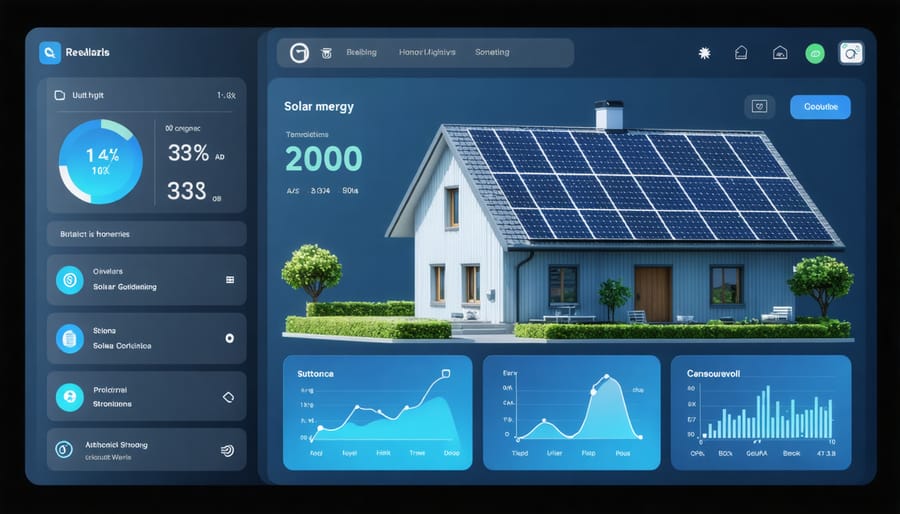
Modern smart energy management systems are revolutionizing how we harness and utilize solar power, making it more efficient and cost-effective than ever before. These intelligent systems use advanced monitoring technology and automation to optimize energy production, storage, and consumption in real-time.
At the heart of these systems are smart inverters that communicate with your home’s appliances and the power grid. They automatically adjust energy flow based on your usage patterns, weather conditions, and electricity rates. For example, they can direct excess solar power to charge your battery storage during peak production hours and use that stored energy during evening peak rate periods.
The user-friendly mobile apps that come with these systems give you complete control over your energy usage. You can monitor your solar panels’ performance, track energy consumption, and even control smart appliances remotely. Many homeowners report saving 20-30% on their energy bills after installing these systems, simply by having better visibility and control over their energy use.
One of the most exciting features is predictive analytics. These systems can learn from your energy consumption patterns and weather forecasts to make intelligent decisions about when to store, use, or sell excess power back to the grid. They can even send you alerts when maintenance is needed or when your panels aren’t performing at optimal levels.
For commercial property managers, these systems offer additional benefits like load management and demand response capabilities. They can automatically reduce power consumption during peak demand periods and participate in utility incentive programs, creating additional revenue streams.
The best part is that installation is becoming increasingly straightforward, with many systems offering plug-and-play functionality. Most come with professional support and regular software updates to ensure your system stays current with the latest energy-saving features and security protocols.
Success Stories: Communities Leading the Way
Case Study: Brighton Solar Community
The Brighton Solar Community stands as a shining example of what’s possible when neighbors come together for sustainable energy. Located in coastal Brighton, this 150-home development launched its community solar initiative in 2019, achieving remarkable results in just three years.
Before the project, residents paid an average of $250 monthly for electricity. Today, participating households have cut their energy bills by 65%, with some homes paying as little as $75 per month. The community installed high-efficiency solar panels on 85% of eligible rooftops and created a shared solar garden on previously unused community land.
“We weren’t sure about the initial investment,” says Sarah Chen, a resident and project coordinator, “but the savings have exceeded our expectations, and our property values have increased significantly.”
The project’s success stems from smart planning and community engagement. The neighborhood established a solar committee that negotiated bulk purchasing deals, reducing installation costs by 30%. They also implemented a innovative power-sharing system, allowing households to trade excess energy credits.
The environmental impact has been substantial: the community reduced its carbon footprint by 425 tons annually, equivalent to planting 20,000 trees. Brighton’s success has inspired five neighboring communities to launch similar initiatives, creating a ripple effect of sustainable energy adoption across the region.
Today, Brighton serves as a model for other communities, demonstrating how collective action can make solar power both economically and environmentally beneficial.
Measured Results and Impact
Recent community solar initiatives have shown remarkable results in improving energy efficiency and reducing carbon footprints. In California’s Solar Together program, participating neighborhoods reported an average 60% reduction in monthly electricity bills, with some households achieving savings of up to $1,800 annually. The program successfully installed solar panels on 2,500 homes, generating 12.5 megawatts of clean energy.
The Massachusetts Clean Energy Center documented that community solar projects increased overall energy efficiency by 25% compared to individual installations, primarily due to optimized panel placement and shared maintenance resources. Their data shows that grouped installations reduce installation costs by approximately 15-20% per household.
In Colorado, the Solar Co-op Initiative demonstrated impressive environmental impact, preventing 45,000 metric tons of CO2 emissions annually – equivalent to removing 9,800 cars from the road. The program achieved a 92% participant satisfaction rate, with 87% of members reporting smoother-than-expected installation processes.
Florida’s Sunshine Initiative revealed that community solar programs achieve 30% higher energy production efficiency compared to scattered individual installations. The program’s monitoring system showed peak performance hours increased from 5.5 to 7.2 hours daily through strategic panel positioning and community-wide maintenance protocols.
These measured results consistently demonstrate that organized community solar programs deliver superior efficiency, cost savings, and environmental benefits compared to individual installations.
Getting Started: Implementation Steps
Planning and Assessment
The journey to optimal solar power efficiency begins with thorough planning and assessment of your property’s potential. Start by conducting a comprehensive solar site assessment, which evaluates factors like roof orientation, shade patterns, and structural integrity. This initial evaluation helps determine the ideal placement and size of your solar array.
Professional solar consultants can use advanced tools to measure your property’s solar exposure throughout the year, considering seasonal variations and potential obstacles. They’ll also assess your current energy consumption patterns by reviewing utility bills from the past 12-24 months, helping to right-size your system for maximum efficiency.
When implementing community solar projects, it’s essential to consider local regulations, available incentives, and utility interconnection requirements. Many communities benefit from energy mapping tools that identify optimal locations for solar installations across multiple properties.
Your assessment should also include a financial analysis comparing different solar technologies and their long-term benefits. Consider factors like panel efficiency ratings, warranty terms, and degradation rates. Modern monitoring systems can help track performance metrics, ensuring your installation maintains peak efficiency throughout its lifespan.
Remember to factor in future energy needs, such as electric vehicle charging or home additions, when sizing your system. This forward-thinking approach helps maximize your investment and ensures long-term satisfaction with your solar installation.
Funding and Support Resources
Making the switch to solar power is more affordable than ever, thanks to numerous funding options and support programs. The federal Solar Investment Tax Credit (ITC) offers a substantial 30% tax credit on your solar installation costs, significantly reducing your initial investment. Many states also provide additional tax incentives and rebates that can be combined with federal benefits.
Local utility companies often offer solar-specific grants and rebate programs to encourage renewable energy adoption. Some utilities have net metering programs, allowing you to earn credits for excess power your system generates. Property Assessed Clean Energy (PACE) financing enables homeowners to fund solar installations through property tax assessments, spreading the cost over several years.
For low-to-moderate income households, special programs like the Solar for All initiative provide additional financial assistance. Many solar manufacturers partner with financial institutions to offer low-interest loans specifically designed for solar installations. Some communities have established solar cooperatives, allowing members to benefit from group purchasing power and reduced installation costs.
Don’t forget to explore green energy grants from environmental organizations and state-level clean energy funds. Many local governments also offer property tax exemptions for solar installations, ensuring your property taxes won’t increase due to the added value of your solar system. Consider consulting a solar energy advisor who can help identify all available incentives in your area.
Solar power has proven to be a game-changing solution for both environmental sustainability and energy cost reduction. As we’ve explored throughout this article, the efficiency of solar technology continues to improve while installation costs decrease, making it an increasingly attractive option for homeowners and businesses alike.
By embracing solar power, we can reduce our carbon footprint, lower electricity bills, and contribute to a cleaner, more sustainable future. The average solar installation can save households thousands of dollars annually while increasing property values and providing energy independence. These benefits extend beyond individual homes to strengthen entire communities through reduced grid strain and improved air quality.
Now is the perfect time to take action. Start by connecting with local solar installers for a property assessment, or join community solar initiatives in your area. Many neighborhoods are forming solar co-ops to negotiate better rates and share installation knowledge. Consider attending local energy workshops or organizing informational sessions to help others understand the benefits of solar power.
Remember, every solar panel installed brings us closer to a sustainable energy future. Whether you’re ready to install your own system or want to support community solar projects, your contribution matters. Together, we can create a brighter, cleaner future powered by the sun’s endless energy.
Let’s transform our communities, one solar panel at a time. The technology is ready – are you?