5G and Solar: The Perfect Match Powering Tomorrow’s Green Transportation
The convergence of 5G technology and renewable energy is revolutionizing how we power our sustainable future. As cities worldwide embrace green energy infrastructure, this powerful combination enables smart grids to respond instantly to energy demands, optimizing solar and wind power distribution with millisecond precision. Smart sensors connected through ultra-fast 5G networks now monitor and adjust renewable energy systems in real-time, reducing waste and maximizing efficiency across entire communities. For homeowners and businesses, this means more reliable clean energy, lower utility bills, and seamless integration of electric vehicle charging stations with home solar systems. The marriage of 5G and renewable energy isn’t just transforming our power grid – it’s creating a sustainable ecosystem where clean energy flows as freely and reliably as data, paving the way for truly carbon-neutral communities.
How 5G Networks Transform Renewable Energy Management
Real-Time Energy Distribution
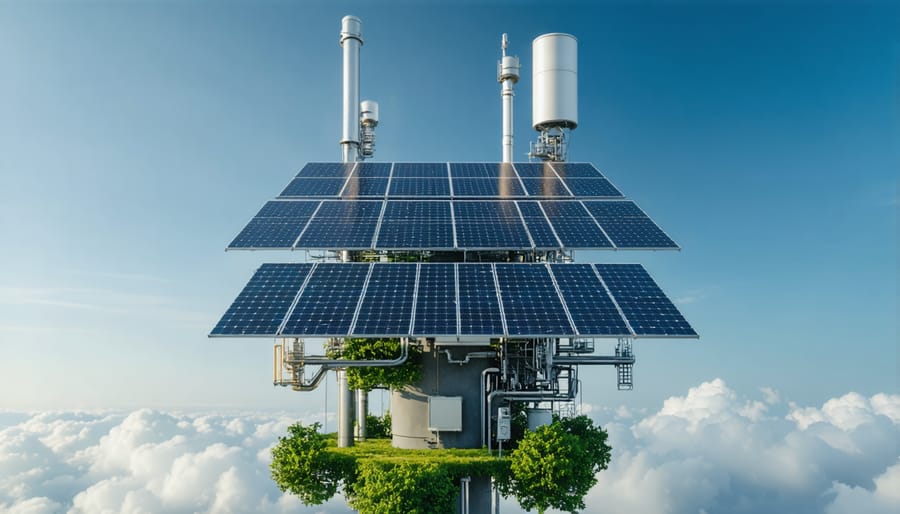
5G technology is revolutionizing how we distribute and manage renewable energy across the power grid. Think of it as a smart traffic system for electricity, where power can be instantly redirected to where it’s needed most. When your solar panels are producing excess energy on a sunny afternoon, 5G’s ultra-fast communication allows that surplus to be immediately shared with nearby homes or businesses experiencing peak demand.
This real-time energy routing happens in milliseconds, thanks to 5G’s minimal latency. Smart meters and grid sensors communicate continuously, making split-second decisions about power distribution. For example, if a cloud passes over your solar array, the system quickly compensates by drawing power from other sources, ensuring uninterrupted supply to your home.
The benefits are remarkable: reduced energy waste, lower utility bills, and more stable power supply. Property managers can now monitor and adjust their building’s energy consumption instantly, while homeowners gain unprecedented control over their energy usage through user-friendly apps. This smart distribution system is particularly valuable during peak hours or extreme weather events, helping prevent outages and maintaining grid stability.
Smart Grid Integration
The integration of 5G technology with renewable energy infrastructure is revolutionizing how we power our transportation systems. Through advanced smart energy management systems, renewable sources like solar panels and wind turbines can now communicate in real-time with electric vehicle charging stations and power distribution networks.
This seamless connectivity enables dynamic load balancing, ensuring that energy is distributed efficiently across the transportation grid. For example, when solar production peaks during midday, excess power can be automatically directed to nearby charging stations or stored in grid-scale batteries for later use.
The system also helps drivers locate available charging stations, provides accurate waiting times, and can even reserve charging slots in advance. This intelligent infrastructure reduces range anxiety and makes electric vehicles more practical for everyday use.
For homeowners with solar installations, this integration means their excess energy can contribute to powering local transportation infrastructure while earning credits on their utility bills. The result is a more resilient, efficient, and sustainable transportation ecosystem that benefits both individual users and the broader community.
Solar-Powered 5G Stations: The Future of Green Mobility
Self-Sustaining Charging Networks
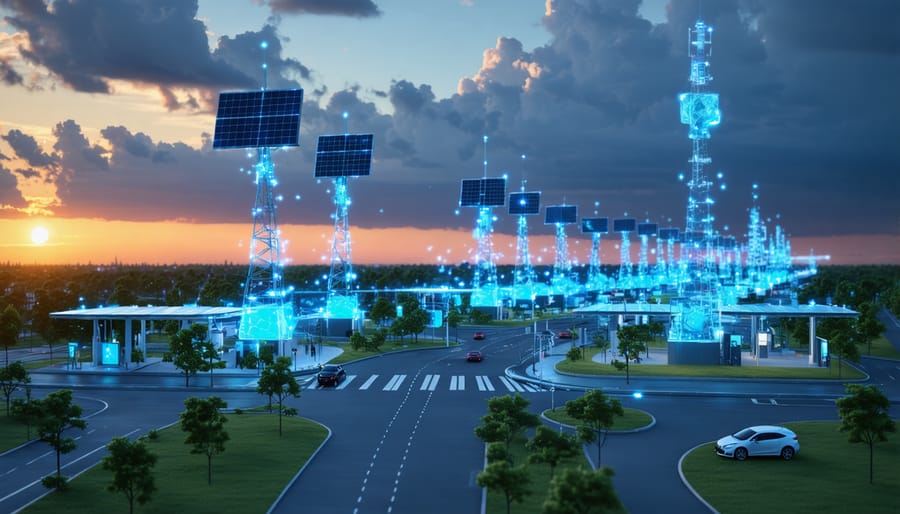
Self-sustaining charging networks represent a groundbreaking fusion of 5G connectivity and renewable energy technology. These innovative stations harness solar power through high-efficiency panels to generate clean electricity for charging electric vehicles while maintaining crucial network infrastructure.
Each charging station functions as a miniature power plant, equipped with solar panels, battery storage systems, and smart energy management controls. The integration of 5G technology enables these stations to communicate in real-time, optimizing energy distribution based on demand and available sunlight. During peak sunlight hours, excess energy is stored in batteries for use during nighttime or cloudy conditions.
What makes these networks truly revolutionary is their ability to operate independently from the main power grid. When multiple stations are connected, they create a resilient micro-grid that can share power resources efficiently. The 5G connectivity allows for seamless load balancing, predictive maintenance, and automated troubleshooting.
For communities and businesses, these self-sustaining stations offer multiple benefits. They reduce dependency on fossil fuels, lower operational costs, and provide reliable charging infrastructure even in remote locations. The smart management system can alert users about available charging spots through mobile apps, making the charging experience convenient and efficient.
As more cities adopt these autonomous charging networks, we’re seeing a practical demonstration of how 5G and renewable energy can work together to create a more sustainable transportation ecosystem.
Energy Storage Solutions
Energy storage plays a crucial role in maximizing the potential of 5G-enabled renewable energy systems. Modern battery solutions have evolved to meet the demanding requirements of this integrated technology, offering both reliability and efficiency.
Smart battery systems now incorporate advanced monitoring capabilities that communicate seamlessly with 5G networks. These systems can predict energy demand patterns, optimize charging cycles, and distribute power more effectively across the grid. For homeowners, this means better control over their stored solar energy and reduced electricity costs.
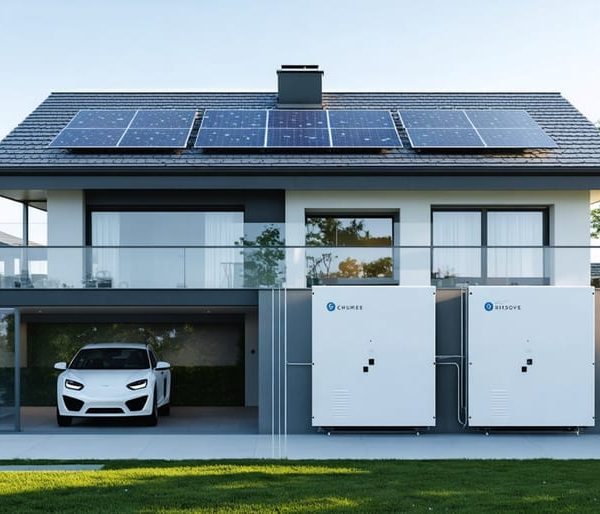
The latest energy storage solutions feature modular designs that can be scaled according to needs. Whether you’re powering a smart home or a commercial building, these systems can be customized to provide the right amount of backup power. Many homeowners start with a basic 10kWh system and expand as their energy needs grow.
Power management has become more sophisticated with 5G connectivity. Smart inverters can now make real-time decisions about when to store, use, or sell excess energy back to the grid. This intelligence helps maintain a stable power supply even during peak demand periods or unexpected weather conditions.
What’s particularly exciting is how these storage systems are becoming more affordable and compact. New lithium-ion technologies offer longer lifespans and better performance, while advanced cooling systems ensure optimal operating temperatures. For property managers, this translates to lower maintenance costs and improved return on investment.
Implementing 5G Renewable Systems at Home
Home Charging Infrastructure
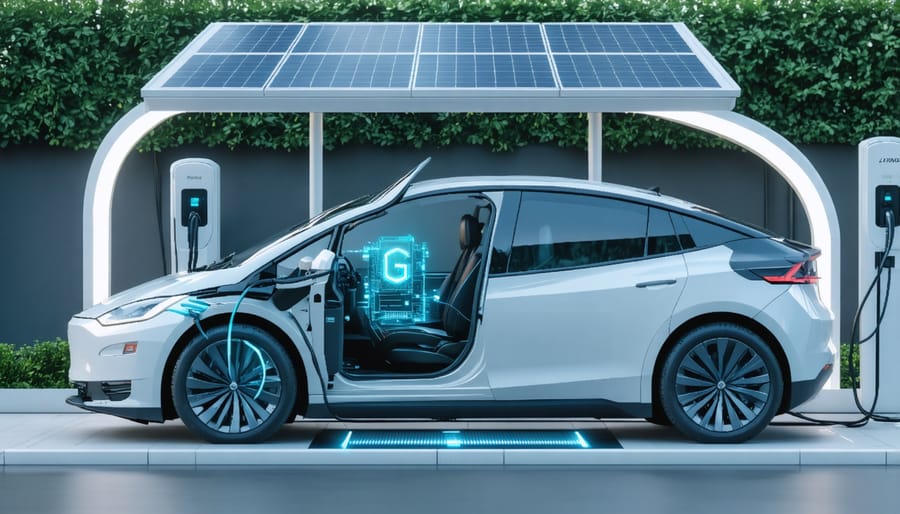
Setting up a smart EV charging system at home is simpler than you might think. Start by assessing your home’s electrical capacity – most modern homes can accommodate Level 2 charging with minimal upgrades. Contact a certified electrician to evaluate your electrical panel and install a dedicated 240V circuit.
Next, choose a smart charging station that supports 5G connectivity. These modern units enable remote monitoring, scheduled charging during off-peak hours, and seamless integration with your home’s renewable energy systems. Look for models with built-in energy management features that can automatically switch between grid and solar power.
Installation typically involves mounting the charging unit on an exterior wall or in your garage, connecting it to the dedicated circuit, and configuring the smart features through a mobile app. Many homeowners report saving 30-40% on charging costs by programming their systems to charge during off-peak hours.
“Since installing our smart charging station, we’ve reduced our energy bills significantly by charging primarily through our solar panels,” shares Sarah Chen, a homeowner in California. “The 5G connectivity means the system automatically adjusts charging schedules based on our solar production and energy prices.”
Remember to check local regulations and available incentives before installation, as many utilities offer rebates for smart charging systems.
Integration with Home Solar Systems
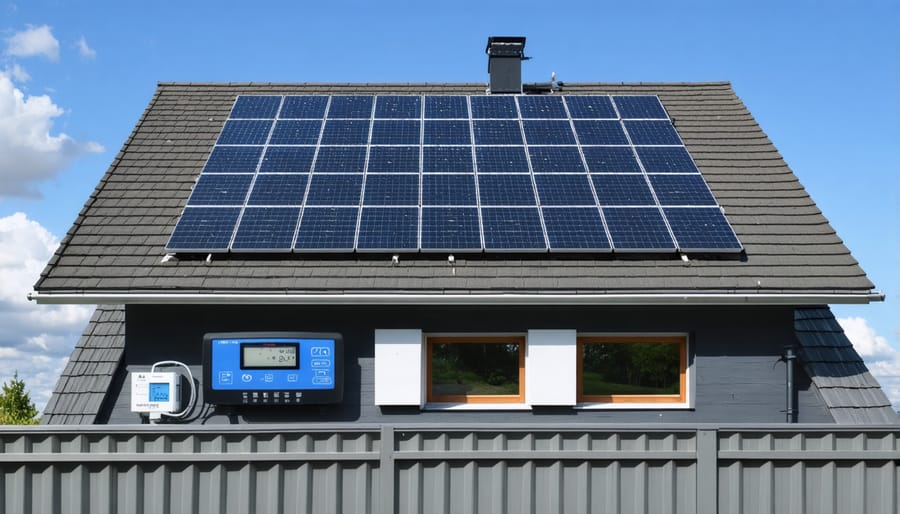
Integrating 5G technology with existing home solar installations is more straightforward than you might think. The process begins with installing a 5G-enabled smart inverter that acts as the bridge between your solar panels and the smart grid. This upgrade allows real-time monitoring and optimization of your energy production and consumption.
To ensure compatibility, first check if your current solar system has a communication port for smart device integration. Most systems installed within the last five years already include this feature. The next step involves connecting a 5G communication module to your inverter, which enables faster data transmission and more responsive grid interaction.
The benefits are substantial: your solar system can automatically adjust power generation based on grid demands, potentially increasing your energy credits. You’ll also receive instant notifications about system performance and can remotely optimize settings through a smartphone app.
Remember to consult with a certified installer who understands both solar and 5G technology. They can ensure proper configuration and help you maximize the benefits of this integration, including potential smart grid incentives offered by your utility company.
The convergence of 5G technology and renewable energy is revolutionizing green mobility, offering a promising path toward a more sustainable transportation future. By enabling real-time communication between electric vehicles, charging stations, and power grids, 5G networks are making sustainable transportation more efficient and accessible than ever before.
The benefits are clear: faster charging times, optimized route planning, and improved energy management have made electric vehicles more practical for everyday use. Smart charging networks powered by 5G can now balance grid loads more effectively, ensuring that renewable energy sources are utilized at peak efficiency.
Looking ahead, we can expect to see even more innovative applications. From autonomous electric vehicles that communicate seamlessly with smart city infrastructure to advanced energy storage systems that maximize solar and wind power usage, the possibilities are extensive. As 5G networks continue to expand and renewable energy technology advances, we’re moving closer to a future where clean, connected transportation is the norm rather than the exception.
For homeowners and businesses alike, this integration represents an opportunity to participate in the green mobility revolution while reducing their environmental impact and operating costs.