

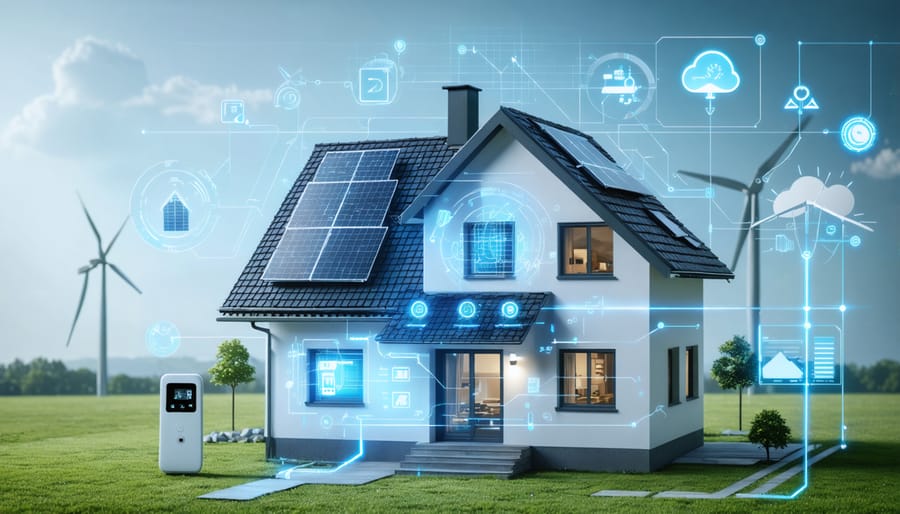
Smart Home Energy Management: Take Control of Your Power Bills Today
Transform your home into an energy-smart powerhouse with modern energy management systems that put you in control of every watt. Today’s intelligent home solutions combine real-time monitoring, automated controls, and smart algorithms to deliver unprecedented home energy efficiency while slashing utility bills by up to 30%.
Imagine watching your energy consumption drop in real-time as your smart thermostat adjusts automatically, your appliances run during off-peak hours, and your solar panels seamlessly power your home. These aren’t futuristic concepts – they’re available now, helping thousands of homeowners optimize their energy usage while reducing their carbon footprint.
From basic smart meters to comprehensive whole-house systems, energy management technology has evolved to meet every need and budget. Whether you’re taking your first steps toward energy optimization or ready to implement an advanced solution, modern systems offer intuitive interfaces, smartphone integration, and powerful insights that make managing your home’s energy as simple as checking your social media.
This guide explores everything you need to know about selecting, installing, and maximizing the benefits of your home energy management system, helping you join the growing community of energy-conscious homeowners who are revolutionizing how we power our lives.
What Makes a Home Energy Management System ‘Smart’
Core Components of Smart Energy Systems
A modern energy management system relies on three essential components working together seamlessly. Smart meters serve as your home’s energy command center, tracking electricity usage in real-time and providing detailed consumption data. These advanced devices replace traditional meters and can help you identify peak usage times and optimize your energy habits.
Sensors play a crucial role by monitoring various environmental factors throughout your home. Temperature sensors, occupancy detectors, and light-level monitors work together to create a comprehensive picture of your home’s energy needs. These intelligent devices can detect when rooms are empty or when natural light is sufficient, allowing your system to adjust automatically.
Control units are the brains of the operation, processing data from your smart meter and sensors to make intelligent decisions. These units can automatically adjust your heating, cooling, and lighting systems based on your preferences and usage patterns. Many control units now come with user-friendly smartphone apps, letting you monitor and adjust your home’s energy usage from anywhere.
Together, these components create a responsive, efficient system that helps reduce energy waste while maintaining comfort in your home.
Integration with Solar Power Systems
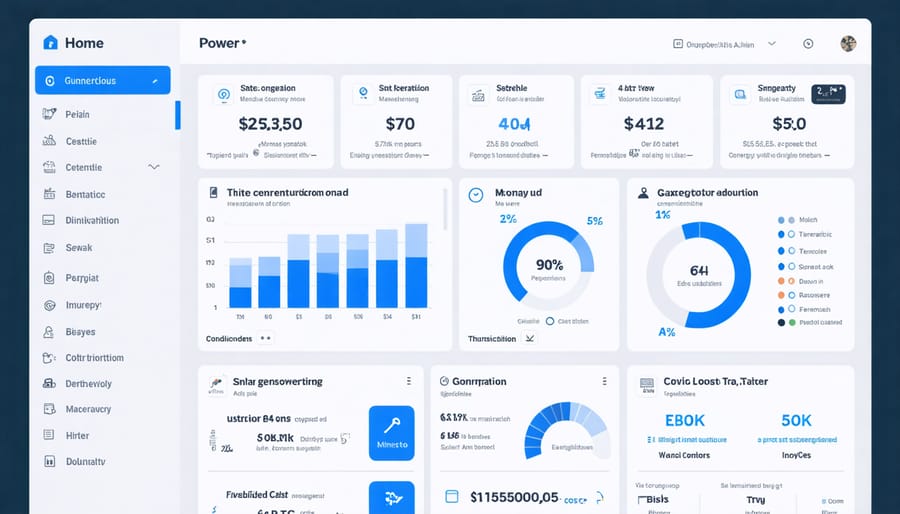
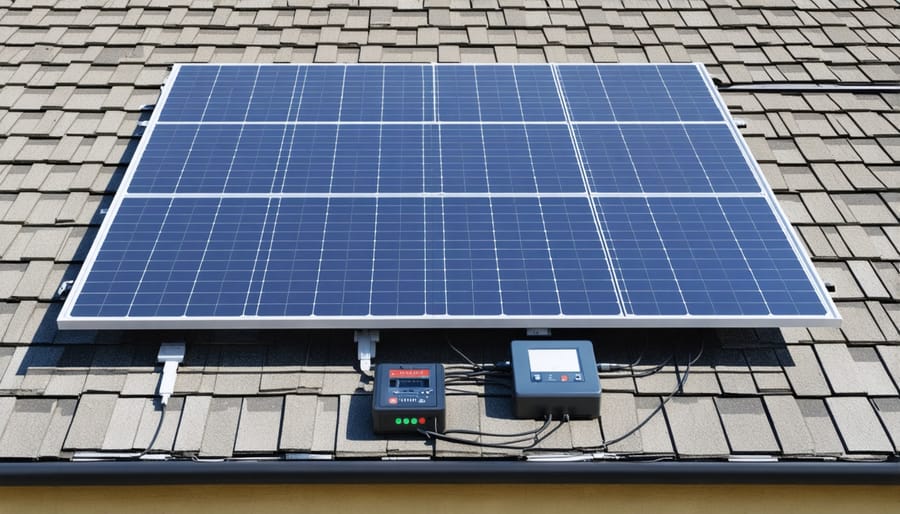
Modern energy management systems seamlessly integrate with residential solar installations to maximize the benefits of your renewable energy investment. These smart systems monitor solar production in real-time, automatically adjusting your home’s energy consumption to make the most of solar-generated power when it’s available.
When your solar panels are producing excess energy during peak sunlight hours, your energy management system can automatically power up high-consumption appliances like washing machines or charge your electric vehicle. During cloudy periods or at night, the system switches to grid power or stored battery energy, ensuring you’re always using the most cost-effective power source available.
The system’s intelligent algorithms learn your household’s energy patterns and solar production cycles, creating optimized schedules for your appliances. You can track your solar energy production, consumption, and savings through user-friendly mobile apps, making it easy to understand your energy usage and make informed decisions about when to use power-hungry devices.
This integration helps maximize your return on investment while reducing your carbon footprint and dependence on grid electricity.
Real Benefits of Smart Energy Management
Energy Cost Reduction
Home energy management systems can significantly reduce your monthly power bills through several effective strategies. The system’s smart thermostat function alone typically saves homeowners 10-15% on heating and cooling costs by automatically adjusting temperatures based on occupancy and daily routines.
Through real-time energy monitoring, these systems identify energy-hungry appliances and suggest optimal usage times. For example, running your dishwasher or washing machine during off-peak hours can save 20-40% on operational costs. The system’s automated scheduling feature ensures these appliances run when electricity rates are lowest.
Smart lighting control is another powerful money-saver, reducing lighting-related energy costs by up to 30%. Motion sensors automatically turn off lights in unoccupied rooms, while dimming features adjust brightness based on natural light availability.
Many systems also optimize HVAC performance by learning your preferences and adapting to weather conditions. They can detect inefficiencies like dirty filters or mechanical issues before they lead to increased energy consumption. Users report saving an average of $300-500 annually through these preventive measures alone.
The most significant savings come from the system’s ability to integrate with solar panels, storing excess energy during peak production and using it during high-demand periods. This intelligent power management can reduce grid dependency by up to 60%, resulting in substantial long-term savings on utility bills.
Environmental Impact
Home energy management systems play a crucial role in reducing our environmental footprint and promoting sustainability. By optimizing energy consumption, these systems can significantly decrease household carbon emissions, typically cutting them by 15-30% annually. This reduction is equivalent to taking one car off the road for every two homes using these systems.
When integrated with renewable energy sources, these systems become even more environmentally impactful. They can intelligently manage solar panel output, storing excess energy for later use and minimizing reliance on grid power during peak hours. This smart management helps reduce strain on power plants, particularly during high-demand periods when less efficient, carbon-intensive generators are typically activated.
The environmental benefits extend beyond carbon reduction. By promoting efficient appliance use and reducing overall energy waste, these systems help conserve natural resources used in power generation. Modern energy management systems also provide detailed insights into water heater and HVAC operation, enabling homeowners to optimize these energy-intensive systems for maximum efficiency.
Real-world data shows that homes using energy management systems typically save 2,000-4,000 pounds of CO2 emissions annually. This impact multiplies across neighborhoods and communities, creating a significant collective benefit for our environment. As more homeowners adopt these systems, we move closer to a sustainable future with reduced dependency on fossil fuels and a lighter environmental footprint.
Setting Up Your Smart Energy System
Choosing the Right Components
Selecting the right components for your home energy management system requires careful consideration of your specific needs and goals. Start by evaluating your current energy consumption patterns and identifying areas where you want to achieve the most savings. The foundation of any effective system begins with a smart meter, which provides real-time energy usage data.
For comprehensive monitoring, you’ll need a central hub that can integrate with various smart home automation systems. Look for devices that support common protocols like Zigbee or Z-Wave to ensure compatibility with future additions. Essential components typically include smart thermostats, automated lighting controls, and smart plugs for appliance management.
When choosing sensors, prioritize those that match your home’s layout and lifestyle. Motion sensors work well in high-traffic areas, while occupancy sensors are better suited for rooms with longer stay times. For homes with solar installations, ensure your system includes solar production monitoring capabilities and battery storage integration options.
Consider starting with a basic package and expanding gradually. Key features to look for include mobile app control, energy usage reporting, and automated scheduling capabilities. While premium components might cost more initially, they often offer better reliability and more sophisticated energy-saving features that pay off in the long run. Remember to check for warranty coverage and manufacturer support before making your final selection.
Installation Process
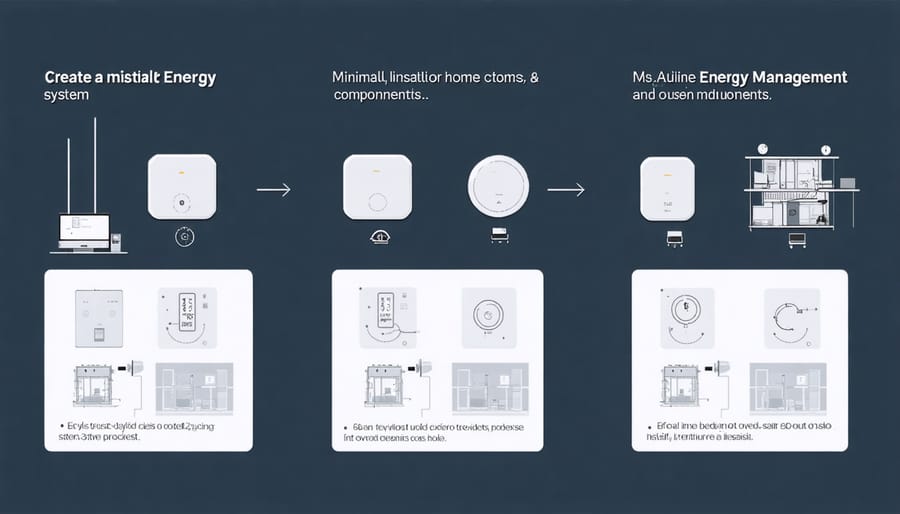
The installation of a home energy management system typically follows a structured process that ensures optimal performance and safety. Begin by having a certified electrician conduct a thorough assessment of your home’s electrical system. This evaluation helps determine the best placement for sensors, smart meters, and the main control hub.
Next, install the system’s central hub in a location with strong Wi-Fi connectivity, usually near your existing electrical panel. The hub serves as the brain of your energy management system, collecting and processing data from various components throughout your home.
Smart meters and sensors are then installed at key points: major appliances, heating/cooling systems, and any renewable energy sources like solar panels. These devices communicate with the central hub to provide real-time energy consumption data.
The next step involves setting up the software interface. Download the system’s companion app on your smartphone or tablet and follow the guided setup process. This typically includes connecting to your home’s Wi-Fi network, creating an account, and pairing all installed devices.
Finally, customize your settings based on your household’s needs. Set up automated schedules, energy usage alerts, and preferred temperature ranges. Many systems also offer a learning period, during which they analyze your consumption patterns to suggest optimization strategies.
Remember to keep all installation documentation and schedule regular maintenance checks to ensure continued efficient operation. Most manufacturers provide detailed guides and customer support throughout the process.
Common Integration Challenges
While energy management systems offer great benefits, setting them up can present some challenges. Here’s how to overcome the most common integration issues homeowners face:
Device Compatibility: Not all smart devices work with every energy management system. Before purchasing, check your existing appliances’ compatibility with your chosen system. Look for products that support widely-used protocols like Zigbee or Z-Wave to ensure better integration.
Wi-Fi Connectivity: Poor signal strength can disrupt system performance. Consider installing Wi-Fi extenders in larger homes or placing your hub in a central location. Some systems also offer offline functionality as a backup.
Smart Meter Integration: Some utility companies use older meters that don’t support real-time data sharing. Contact your provider to verify compatibility or inquire about smart meter upgrades. Many utilities now offer free smart meter installations upon request.
App Configuration: Initial setup can be overwhelming. Take it step by step, starting with basic functions before advancing to complex automations. Most manufacturers provide video tutorials and 24/7 support to help you through the process.
Battery Backup Issues: For systems with battery storage, proper calibration is crucial. Ensure proper installation temperature and follow manufacturer guidelines for initial charging cycles. Regular maintenance checks help prevent unexpected disconnections.
Data Privacy: Protect your system by using strong passwords, enabling two-factor authentication, and keeping software updated. Most modern systems include built-in encryption, but it’s important to understand and activate all security features.
Making the Most of Your System
Daily Usage Tips
Make the most of your home energy management system with these simple daily practices. Start by reviewing your energy monitoring solutions dashboard first thing in the morning to check your household’s energy patterns from the previous day. This quick habit helps you spot and address any unusual consumption patterns early.
Set your thermostats to adjust automatically based on your family’s schedule. During summer, increase the temperature by a few degrees when you’re away, and in winter, lower it slightly. These small adjustments can lead to significant savings over time.
Take advantage of your system’s smart scheduling features for major appliances. Run your dishwasher, washing machine, and dryer during off-peak hours when electricity rates are lower. Many systems allow you to preset these schedules weekly, making it entirely hands-free.
Use your mobile app to receive real-time alerts about energy usage spikes. This helps you identify and turn off forgotten appliances or adjust consumption immediately. Enable push notifications for weather forecasts, which can help you optimize your HVAC usage based on upcoming conditions.
Remember to regularly check your system’s efficiency reports and implement its recommended actions. These might include simple tasks like closing specific windows during peak heating hours or switching off standby power in rarely used rooms. Small, consistent actions add up to meaningful energy savings over time.
Maintenance and Updates
Regular maintenance of your home energy management system is crucial for optimal performance and longevity. Start with monthly checks of your system’s dashboard or app to ensure all components are communicating properly and readings are accurate. Look for any unusual patterns or spikes in energy consumption that might indicate issues.
Clean any physical components, such as sensors and displays, every three months using a soft, dry cloth. For outdoor components, remove any debris, leaves, or dust that might interfere with their operation. Check and tighten any loose connections, especially around smart plugs and sensors.
Software updates are equally important. Enable automatic updates whenever possible, as these often include security patches and performance improvements. If your system requires manual updates, set a quarterly reminder to check for and install them. Keep your mobile apps updated as well to ensure seamless communication with your system.
Annual professional inspections are recommended, especially for more complex systems with solar integration or battery storage. A qualified technician can calibrate sensors, verify system accuracy, and identify potential issues before they become problems.
Remember to maintain detailed records of all maintenance activities, including dates, actions taken, and any unusual findings. This documentation helps track system performance over time and can be valuable for warranty claims or troubleshooting. If you notice any persistent issues or significant changes in system performance, contact your provider’s support team promptly.
Taking control of your home’s energy management is a powerful step toward a more sustainable and cost-effective future. From smart thermostats to integrated solar systems, these technologies offer practical solutions for reducing energy consumption and lowering utility bills. By implementing an energy management system, you’re not just saving money – you’re contributing to a greener planet while enjoying greater comfort and convenience in your home. Start small with basic monitoring tools and gradually expand your system as you become more familiar with the technology. Remember, every kilowatt-hour saved makes a difference. Take the first step today by assessing your home’s energy needs and exploring the options that best suit your lifestyle and budget. Your future self – and the environment – will thank you.


