Solar Microgrids Transform Neighborhoods: Power Your Community’s Future
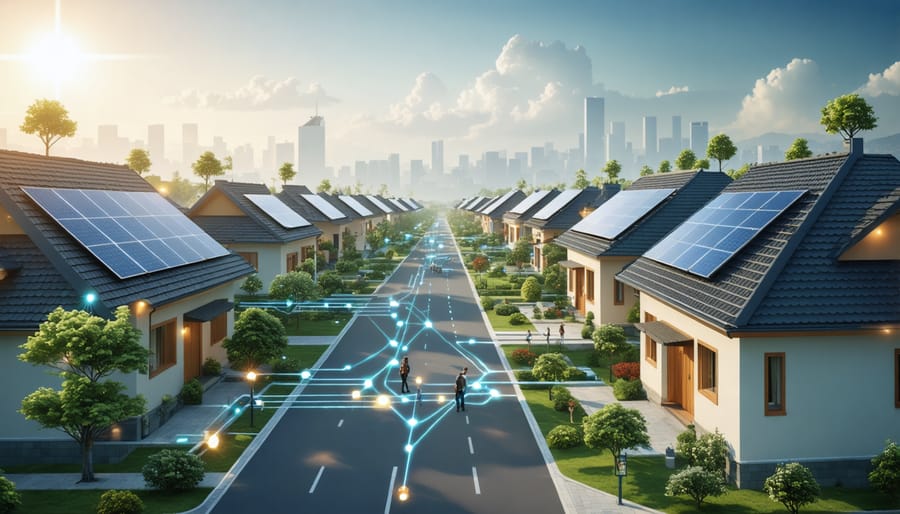
Solar microgrids are revolutionizing how communities power their futures, combining advanced solar technology with smart distribution systems to create resilient, independent energy networks. These localized power systems, which can operate both connected to and independent from the main electrical grid, represent a transformative approach to sustainable energy generation and distribution. Through community solar initiatives, neighborhoods are taking control of their energy destiny while dramatically reducing both costs and carbon footprints.
Unlike traditional power systems, solar microgrids offer unprecedented flexibility and reliability, providing continuous power even during main grid outages. They serve as a practical solution for communities seeking energy independence, whether in remote locations or urban centers looking to enhance their resilience. By combining solar panels, energy storage systems, and smart distribution technology, these systems create a sustainable ecosystem that can power homes, businesses, and essential services while reducing dependence on fossil fuels.
For communities considering the transition to cleaner energy solutions, solar microgrids represent more than just an alternative power source – they’re a pathway to energy democracy, environmental stewardship, and economic empowerment.
How Solar Microgrids Revolutionize Community Power

Core Components of a Community Solar Microgrid
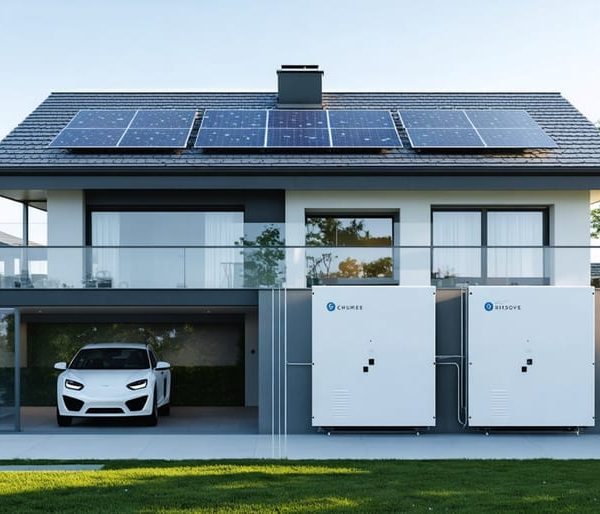
A community solar microgrid consists of several key components working together to generate, store, and distribute clean energy effectively. At its heart are solar panel arrays, typically installed on multiple buildings or in dedicated solar gardens within the community. These panels capture sunlight and convert it into usable electricity.
To ensure reliable power supply even when the sun isn’t shining, battery storage systems are essential components that store excess energy for later use. These storage solutions act like giant power banks for the community, providing electricity during nighttime or cloudy days.
The system’s brain is the smart control center, which manages power flow and monitors system performance. This sophisticated technology automatically switches between different power sources, optimizes energy distribution, and ensures the microgrid operates efficiently.
Power inverters play a crucial role by converting DC power from solar panels into AC power that homes and businesses can use. Additionally, a distribution network of cables and smart meters connects all participants in the microgrid, enabling fair energy sharing and consumption tracking.
Safety features like circuit breakers and disconnect switches protect the system and its users. Many modern microgrids also include a grid-tie connection, allowing communities to draw power from the main grid when needed while maintaining independence during outages.
Smart monitoring systems keep track of energy production, consumption, and system health, often accessible through user-friendly apps that help community members understand and optimize their energy usage.

Energy Independence and Reliability
Solar microgrids represent a powerful step toward energy independence, offering communities a reliable shield against power outages and grid failures. When the main grid goes down due to severe weather, equipment failure, or other emergencies, a microgrid can automatically disconnect and operate independently, keeping critical facilities and homes powered.
Think of a microgrid as your community’s energy insurance policy. By combining solar panels, battery storage, and smart control systems, these installations create a self-sustaining power ecosystem. During normal operations, your microgrid works in harmony with the main grid, but when trouble strikes, it seamlessly transitions to “island mode,” ensuring uninterrupted power supply.
Communities with solar microgrids have demonstrated remarkable resilience during natural disasters. For example, during Hurricane Sandy, several neighborhoods with microgrids maintained power while surrounding areas experienced extended blackouts. This capability is particularly crucial for essential services like hospitals, emergency response centers, and community shelters.
The reliability factor extends beyond emergency situations. Solar microgrids help stabilize local power supply during peak usage times, reducing strain on the main grid and preventing brownouts. This self-sufficiency also translates to lower energy costs, as communities can generate their own power during expensive peak rate periods.
For homeowners and businesses alike, this independence means peace of mind and consistent operations, regardless of what’s happening with the broader power infrastructure.

Real Benefits for Your Community
Lower Energy Costs
Solar microgrids offer substantial financial benefits for community members through significant reductions in electricity bills. Studies show that participants can reduce energy costs by 20-60% compared to traditional grid power, depending on location and system size. The initial investment typically pays for itself within 5-8 years through monthly savings and available tax incentives.
Consider a typical neighborhood of 100 homes: After installing a microgrid system, residents often see their monthly electricity bills drop from $200 to as low as $80. These savings become even more pronounced during peak usage periods when standard utility rates surge. Additionally, many communities generate excess power they can sell back to the main grid, creating a new revenue stream for participants.
The financial benefits extend beyond direct savings. Property values typically increase by 4-6% with microgrid access, while businesses within the network often report reduced operating costs and improved reliability. With proper maintenance, these systems continue delivering returns for 25+ years, making them a sound long-term investment for any community.
Environmental Impact
Solar microgrids significantly reduce the carbon footprint of communities and businesses by replacing traditional fossil fuel-based energy with clean, renewable solar power. A typical solar microgrid can prevent thousands of pounds of CO2 emissions annually, equivalent to taking multiple cars off the road or planting hundreds of trees.
Beyond carbon reduction, these systems promote environmental sustainability in several ways. They minimize the need for long-distance power transmission, reducing energy losses and the environmental impact of maintaining extensive power line infrastructure. Solar microgrids also decrease reliance on environmentally harmful mining and drilling operations associated with fossil fuels.
The environmental benefits extend to local ecosystems as well. Unlike large utility-scale power plants, solar microgrids can be integrated into existing buildings and landscapes with minimal disruption to natural habitats. They also help reduce air and water pollution in local communities, contributing to better public health outcomes.
Additionally, solar microgrids often incorporate smart technology that optimizes energy usage, further reducing waste and environmental impact. Many systems include battery storage solutions that are increasingly manufactured using sustainable practices and recyclable materials.
Implementation Steps for Your Neighborhood
Planning and Permits
Implementing a solar microgrid requires careful planning and adherence to local regulations. Start by consulting your municipality’s planning department to understand zoning requirements and building codes specific to sustainable energy infrastructure. Most jurisdictions require permits for solar installations, electrical work, and grid interconnection.
Community organization plays a crucial role in successful microgrid implementation. Form a steering committee comprising residents, local businesses, and technical experts to oversee the project. This committee should focus on securing necessary approvals, coordinating with utility companies, and managing community expectations.
Key permits typically include:
– Solar installation permits
– Electrical permits
– Building permits
– Environmental impact assessments
– Grid interconnection agreements
Working with experienced solar contractors who understand local regulations can streamline the permitting process. They can help prepare required documentation and ensure compliance with safety standards. Remember to engage neighboring properties early in the planning phase, as their support can be valuable during the approval process.
Consider organizing community workshops to address concerns and share information about the project’s benefits and timeline. This proactive approach often leads to smoother implementation and stronger community support.
Funding Options
Making the switch to solar microgrids is more accessible than ever, thanks to various funding options and incentives. The most straightforward approach is direct purchase, which offers the highest long-term returns but requires significant upfront investment. For those seeking more flexible options, power purchase agreements (PPAs) allow you to benefit from solar power with little to no upfront costs – you simply pay for the electricity generated.
Many property owners opt for solar leasing programs, where you can rent the equipment with predictable monthly payments. Government incentives can significantly reduce costs, including the Federal Solar Tax Credit, which currently offers a 30% tax reduction on installation costs. Many states also provide additional tax breaks, grants, and rebates.
For community projects, crowdfunding and cooperative financing models have gained popularity, allowing neighbors to share both costs and benefits. Some utility companies offer on-bill financing, spreading the investment over several years through your regular utility bills. Local banks increasingly offer specialized “green loans” with competitive interest rates for microgrid projects. Remember to check with local authorities, as available incentives vary by location and may change periodically.
Solar microgrids represent more than just a technological advancement – they’re a pathway to energy independence and sustainability for communities worldwide. By combining solar power, smart technology, and local control, these systems are transforming how we think about and use energy. Whether you’re a homeowner looking to reduce utility bills, a business owner seeking energy independence, or a community leader focused on sustainability, solar microgrids offer a practical solution for a cleaner, more resilient future.
The time to act is now. With improving technology, decreasing costs, and increasing environmental concerns, solar microgrids are becoming more accessible and necessary than ever. By taking steps today to explore and implement microgrid solutions, you’re not just investing in your energy future – you’re contributing to a more sustainable world for generations to come. Start your journey toward energy independence by connecting with local solar installers and exploring microgrid options for your property or community.