

4G Solar Security Cameras: Power Your Home Protection Without Electric Bills
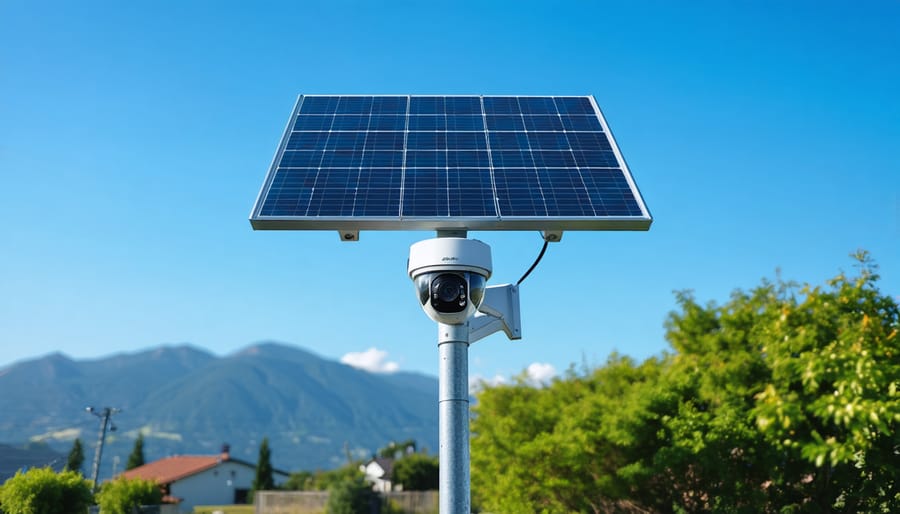
Transform your property’s security with cutting-edge solar-powered security systems that harness 4G connectivity and sustainable energy. These innovative cameras eliminate the need for hardwired power sources while delivering crystal-clear surveillance footage directly to your smartphone, anywhere in the world.
Operating independently of the grid, 4G solar security cameras combine three groundbreaking technologies: efficient solar panels that generate consistent power, advanced battery systems that ensure 24/7 operation, and reliable 4G cellular connectivity that streams HD video without depending on Wi-Fi networks.
Perfect for remote properties, construction sites, and hard-to-wire locations, these self-sufficient security solutions offer motion detection, night vision, and two-way audio communication while significantly reducing both installation costs and environmental impact. As climate consciousness grows and cellular networks expand, 4G solar security cameras represent the future of sustainable property protection.
[Word count: 116]
How 4G Solar Security Cameras Work
Solar Power System Components
A 4G solar security camera relies on three key components to ensure continuous, reliable operation. The solar panel is the heart of the power system, converting sunlight into electricity. Most systems use high-efficiency monocrystalline or polycrystalline panels, typically ranging from 5W to 15W, depending on your camera’s power requirements and local weather conditions.
The rechargeable battery pack stores energy for nighttime use and cloudy days. Modern systems usually incorporate lithium-ion batteries, which offer excellent energy density and long lifespan. These batteries typically provide 3-7 days of backup power, ensuring your security camera stays online even during periods of limited sunlight.
The power management system acts as the brain of your solar setup, regulating voltage and current flow between components. It prevents overcharging, manages power distribution, and protects your camera from voltage fluctuations. Many systems include a built-in charge controller that automatically switches between solar and battery power, optimizing energy usage and extending battery life.
For optimal performance, these components work together seamlessly, providing sustainable, maintenance-free power to your security camera year-round.

4G Connectivity Features
The 4G connectivity feature transforms your solar security camera into a powerful remote monitoring solution. Unlike traditional Wi-Fi cameras, 4G-enabled devices can maintain a stable connection anywhere with cellular coverage, making them perfect for remote properties or areas with unreliable internet service.
These cameras connect to cellular networks just like your smartphone, allowing you to access live feeds, receive motion alerts, and control camera settings through a user-friendly mobile app. The cellular connection ensures your security system stays online even during local internet outages, providing continuous protection for your property.
Most 4G solar cameras come with flexible data plans that you can adjust based on your usage needs. Some manufacturers offer built-in data SIM cards with pre-activated plans, while others let you use your preferred cellular carrier. The connection is encrypted end-to-end, ensuring your video feeds and personal data remain secure.
For optimal performance, look for cameras that automatically switch between 4G and 3G networks based on signal strength, ensuring you never lose connection to your security system.
Key Benefits for Homeowners
Energy Independence
One of the most compelling features of 4G solar security cameras is their complete energy independence. By harnessing the sun’s power, these innovative devices can reduce your power bills while providing reliable security monitoring. The built-in solar panels convert sunlight into electricity, storing it in high-capacity batteries for 24/7 operation, even during cloudy days or at night.
This self-sustaining power system eliminates the need for complex wiring or access to electrical outlets, making installation simpler and more flexible. Beyond the practical benefits, choosing solar-powered security cameras significantly reduces your carbon footprint. Each device prevents approximately 50-100 pounds of carbon emissions annually compared to traditional plug-in cameras.
The environmental impact becomes even more substantial when multiple cameras are deployed across a property. By choosing solar security cameras, you’re not just investing in protection for your home or business – you’re contributing to a cleaner, more sustainable future while enjoying complete freedom from monthly electricity costs.
Remote Monitoring Capabilities
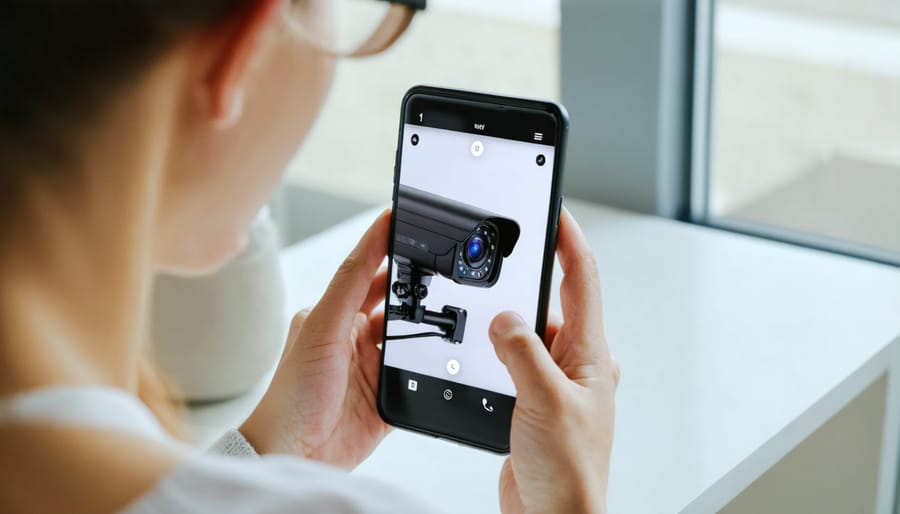
Monitor your property from anywhere with your 4G solar security camera through a user-friendly mobile app. Simply connect your smartphone to view real-time footage, receive instant motion detection alerts, and control camera settings remotely. This seamless integration with smart home automation systems ensures you never miss important events on your property.
The advanced alert system sends push notifications directly to your phone when unusual activity is detected, allowing you to respond quickly to potential security threats. You can customize alert settings based on specific zones, time periods, or movement sensitivity to reduce false alarms and focus on what matters most.
Most 4G solar camera apps offer convenient features like two-way audio communication, video playback, and cloud storage options. Save and share footage easily, communicate with visitors through the built-in speaker and microphone, and access historical recordings whenever needed. The reliable 4G connection ensures stable monitoring even in areas with limited Wi-Fi coverage, giving you peace of mind knowing your property is secure 24/7.
Installation Flexibility
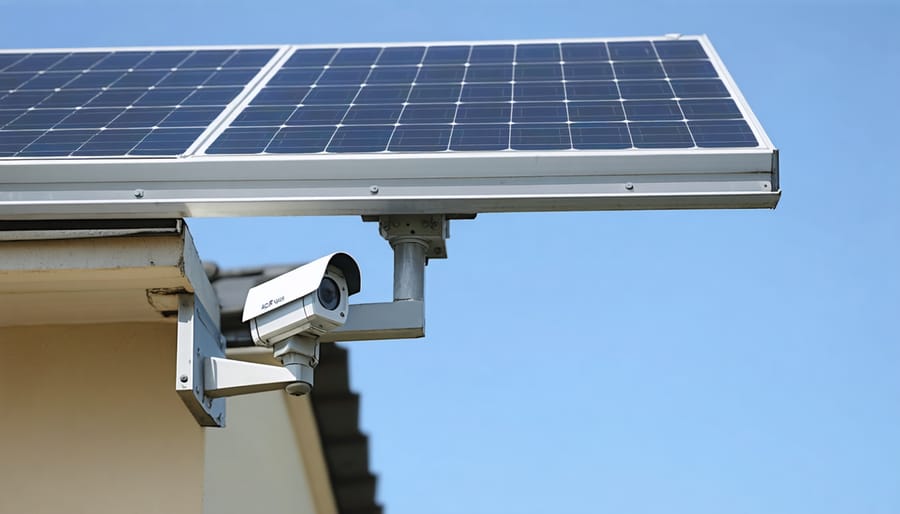
One of the biggest advantages of 4G solar security cameras is their remarkable installation flexibility. Without the need for power cables or internet wiring, you can mount these cameras virtually anywhere that receives adequate sunlight. Simply find a spot with good solar exposure and cellular coverage, and you’re good to go.
Perfect locations include fence posts, rooftops, tree lines, or any elevated position that offers both security coverage and solar efficiency. The wireless nature of these devices means you can easily adjust their position or relocate them as your security needs change. For optimal performance, aim to place the solar panel facing south (in the Northern Hemisphere) at a 30-45 degree angle to maximize sun exposure.
Remote properties, construction sites, and large outdoor areas particularly benefit from this flexibility, as traditional wired systems would be impractical or cost-prohibitive to install in these locations.
Installation and Setup Guide
Choosing the Perfect Location
Finding the perfect spot for your 4G solar security camera is crucial for both optimal performance and effective surveillance. Start by identifying areas that receive at least 6-8 hours of direct sunlight daily. South-facing locations typically offer the best solar exposure in the Northern Hemisphere, ensuring your camera maintains a reliable power supply.
Consider mounting the camera at a height of 8-10 feet, which provides both good coverage and protection from tampering. Avoid areas with heavy shade from trees or buildings, as this can significantly reduce solar charging efficiency. Also, check for potential obstacles that might block your camera’s view or interfere with the 4G signal.
For comprehensive security coverage, position your camera to monitor high-traffic areas like entrances, driveways, and vulnerable access points. Remember to angle the solar panel slightly (about 30-45 degrees) to maximize sun exposure and allow rain to naturally clean the panel’s surface.
Before final installation, use your smartphone to check the 4G signal strength at the chosen location. A strong signal is essential for reliable video transmission and remote access to your camera’s feed.
Mobile App Configuration
Getting your 4G solar security camera connected to your smartphone is a breeze with these simple steps. First, download your camera’s dedicated mobile app from either the App Store or Google Play Store – the specific app name will be provided in your camera’s user manual.
Once installed, create an account using your email address and set a strong password. Most apps will guide you through the connection process with an easy-to-follow setup wizard. You’ll need to scan the QR code on your camera or manually enter its device ID to pair it with your phone.
After connecting, customize your notification preferences. You can choose to receive instant alerts for motion detection, low battery warnings, or offline status updates. The app typically allows you to adjust motion sensitivity, set recording schedules, and define specific monitoring zones.
For the best experience, enable push notifications and ensure your phone’s battery optimization settings don’t restrict the app from running in the background. You can also add multiple users to share access with family members or security staff, each with customizable viewing permissions.
Remember to keep your app updated to ensure you have access to the latest features and security improvements.
Maintenance Tips
Regular maintenance ensures your 4G solar security camera operates at peak efficiency. Clean the solar panels monthly with a soft cloth and mild soap to remove dust, leaves, and bird droppings that can reduce charging efficiency. Check the camera lens weekly for smudges or debris that might affect image quality.
Monitor your battery health through the app and replace it every 2-3 years to maintain reliable performance. During winter months, adjust the panel angle to maximize sun exposure. Trim any overhanging branches that might cast shadows on the solar panel.
Keep the 4G antenna free from obstacles and check signal strength periodically. Update your camera’s firmware when available to ensure optimal performance and security. Consider professional maintenance annually to inspect wiring connections and mounting brackets.
Remember to test your motion detection settings seasonally, as changing foliage can affect sensitivity levels.
Common Challenges and Solutions
Weather Considerations
Modern solar security technology is designed to withstand various weather conditions, but it’s essential to understand how different elements can affect your camera’s performance. During rainy seasons, the camera’s IP66 weatherproof rating ensures continuous operation while protecting internal components from moisture damage. The solar panels are equipped with anti-glare coating that helps maintain charging efficiency even on cloudy days.
In winter months, the battery system stores enough power to keep your camera running during shorter daylight hours. However, it’s important to occasionally clear snow from the solar panels to maintain optimal charging. High temperatures don’t typically affect the camera’s functionality, as these devices are built with heat-resistant materials and ventilation systems.
For optimal performance year-round, position your solar panels at a 45-degree angle to maximize sun exposure and prevent water accumulation. Regular cleaning of the panels, especially during dusty or pollen-heavy seasons, helps maintain charging efficiency. The robust design of these cameras ensures reliable security monitoring regardless of weather challenges.
Connectivity Troubleshooting
When your 4G solar security camera experiences connectivity issues, don’t worry – there are several simple solutions you can try. First, check your camera’s signal strength indicator and ensure it’s positioned in an area with good 4G coverage. Sometimes, simply adjusting the camera’s angle or height by a few feet can make a significant difference in signal reception.
If signal strength isn’t the issue, verify that your SIM card is properly inserted and activated. Clean the SIM card gently with a soft, dry cloth and reinsert it. Make sure your data plan is active and hasn’t exceeded its limit – many connectivity issues stem from expired or maxed-out data plans.
For solar-related connectivity problems, ensure your battery is sufficiently charged. Low power can affect the camera’s ability to maintain a stable connection. Clean your solar panels regularly to maintain optimal charging efficiency, and consider adjusting their angle to maximize sun exposure during peak hours.
If problems persist, try resetting your camera to factory settings. Remember to keep your camera’s firmware updated, as outdated software can sometimes cause connectivity issues.
As we’ve explored throughout this article, 4G solar security cameras represent a remarkable fusion of sustainable technology and modern security solutions. These innovative devices offer unparalleled freedom in placement, thanks to their solar-powered nature and cellular connectivity, making them ideal for remote locations and properties without reliable Wi-Fi coverage.
The benefits are truly compelling: zero electricity costs, minimal environmental impact, and reliable 24/7 surveillance without the hassle of complex wiring or regular maintenance. Property owners can enjoy peace of mind knowing their security system is self-sustaining and continuously operational, even during power outages.
The initial investment in a 4G solar security camera pays off through reduced utility bills, lower installation costs, and decreased maintenance expenses. Moreover, these cameras contribute to a greener future while providing top-tier security features like motion detection, night vision, and real-time mobile alerts.
As technology continues to evolve and environmental consciousness grows, 4G solar security cameras stand out as a smart choice for both residential and commercial applications. Whether you’re securing a remote cabin, monitoring a construction site, or protecting your home, these devices offer a practical, eco-friendly solution that meets modern security needs.
Take the step toward sustainable security today – your property and the planet will thank you for it. With easy installation, reliable performance, and zero carbon footprint, 4G solar security cameras are not just a trend but a glimpse into the future of security technology.


