

Advanced Electric Batteries Are Transforming How Solar Power Actually Works
Assess your home’s energy consumption patterns by reviewing your electricity bills from the past 12 months to determine whether battery storage makes financial sense for your situation. Look for peak usage times, seasonal variations, and calculate how much of your solar generation you could store rather than sending back to the grid at lower rates.
Compare lithium iron phosphate (LiFePO4) batteries with traditional lithium-ion options, as the newer chemistry offers 3,000-6,000 charge cycles versus 1,000-2,000, translating to 10-15 years of reliable performance. This longevity directly impacts your return on investment and reduces replacement costs over your system’s lifetime.
Calculate your potential savings by multiplying your average daily excess solar generation by your utility’s peak electricity rate, then subtract the cost of solar energy storage divided by the expected battery lifespan. Most homeowners achieve payback within 7-10 years while gaining backup power during outages.
Evaluate smart battery management systems that automatically optimize charging and discharging based on time-of-use rates, weather forecasts, and your consumption habits. These intelligent controllers can increase your savings by 15-30% compared to basic systems by ensuring you use stored energy when grid electricity costs the most.
Advanced electric batteries have transformed from expensive luxury items into practical investments that deliver measurable returns while providing energy independence. The combination of dropping prices, improved technology, and rising utility rates has created a perfect opportunity for homeowners to take control of their energy future and reduce their environmental impact simultaneously.
Why Your Solar Panels Need Modern Battery Technology
Picture this: your solar panels are working overtime at noon, generating more electricity than your home can use, while your family is at work and school. Then, when everyone returns home in the evening and you’re cooking dinner, running the dishwasher, and charging devices, the sun has already set and your panels sit idle. This timing mismatch is the fundamental challenge that makes modern battery technology essential for getting the most from your solar investment.
Without battery storage, all that excess midday energy your panels generate typically flows back to the grid, often earning you minimal credit from your utility company. Meanwhile, during peak evening hours when your energy needs soar, you’re forced to draw expensive grid power. It’s like having a thriving vegetable garden that produces all its harvest in spring, with nothing left to eat during winter.
This is where advanced battery technology transforms your solar system from a partial solution into a complete energy independence tool. Modern batteries capture that abundant midday solar energy and store it for when you actually need it most. Think of it as having a personal power reserve that works around the clock to match your lifestyle, not the sun’s schedule.
The beauty of today’s battery systems is that they intelligently manage this energy flow automatically. They charge when your panels are producing surplus power, then seamlessly switch to supplying your home during evening hours or cloudy days. This means you can maximize your use of clean, free solar energy while minimizing reliance on grid power and its associated costs. For environmentally conscious homeowners, this isn’t just about saving money; it’s about making renewable energy practical and reliable for everyday life.
The New Generation of Advanced Electric Batteries
Lithium-Ion Batteries: The Current Gold Standard
When you walk into a home equipped with solar panels and battery storage today, chances are overwhelmingly high that you’re looking at a lithium-ion battery system. These powerhouses have become the undisputed champion of residential energy storage, and for good reasons that directly impact your daily life and wallet.
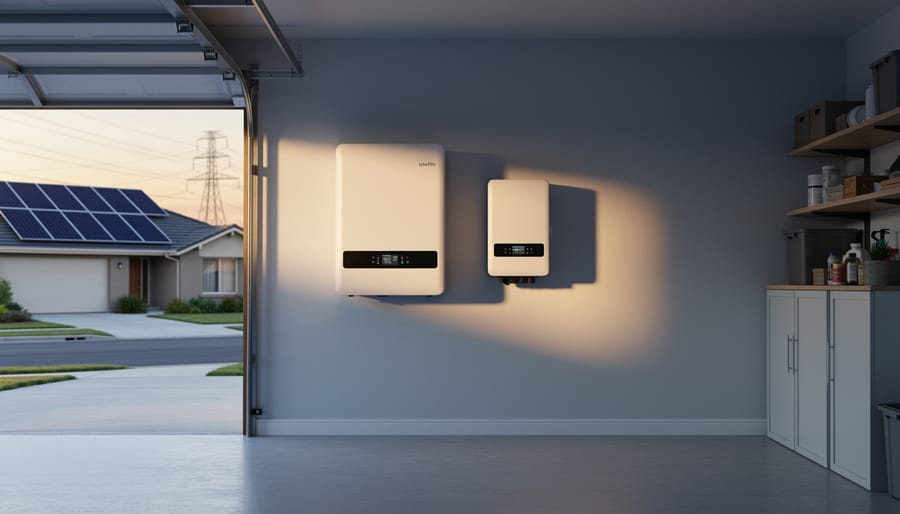
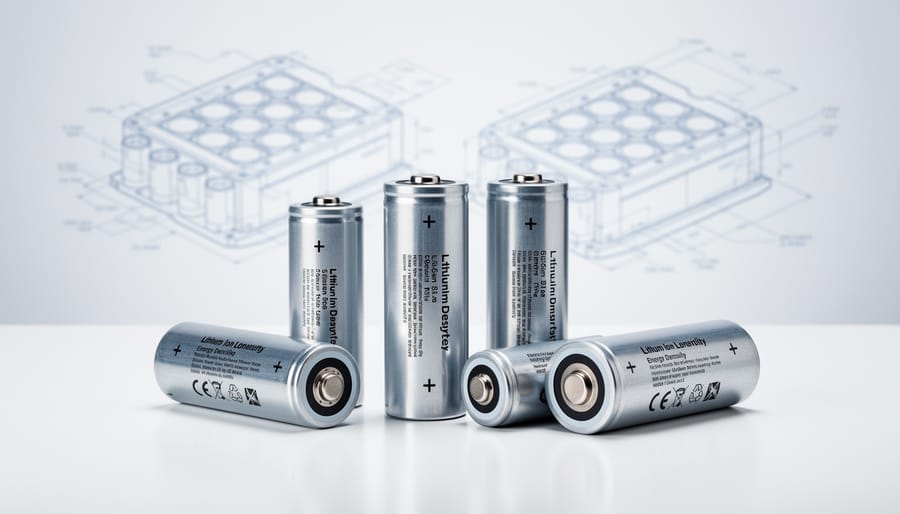
Think of lithium-ion batteries as the smartphone technology of the energy storage world. Just as your phone packs impressive power into a compact device, these batteries deliver exceptional energy density, meaning they store more electricity in less space than older alternatives. A typical lithium-ion home battery can fit neatly on a garage wall while storing enough energy to power essential appliances through the night or during an outage.
The performance advantages translate into real benefits for homeowners. Studies consistently show that lithium-ion outperforms lead-acid batteries across nearly every metric that matters. Here’s what this means for your home:
- Lifespan of 10-15 years or 5,000-10,000 charge cycles, often matching your solar panel warranty
- Minimal space requirements with wall-mounted units taking up less room than a water heater
- Zero maintenance needs—no water refills or terminal cleaning required
- Round-trip efficiency of 90-95%, meaning you use almost all the energy you store
Real-world performance backs up these specifications. Homeowners regularly report their lithium-ion systems maintaining consistent output even after years of daily cycling. One California family shared that their battery performed at nearly full capacity after five years, still powering their home through evening peak hours when electricity rates spike highest. This reliability transforms solar from a daytime-only solution into true energy independence.
Solid-State Batteries: The Next Breakthrough
Imagine a battery that can store twice the energy of current lithium-ion systems while being virtually fireproof. That’s the promise of solid-state batteries, one of the most exciting energy storage breakthroughs on the horizon for home solar systems.
The key difference lies in what’s inside. Traditional batteries use liquid electrolytes to move electrical charges between components, but these liquids can leak or catch fire under certain conditions. Solid-state batteries replace this liquid with a solid material, similar to how a solid piece of ceramic works instead of liquid gel. This simple change delivers remarkable benefits: they’re safer because there’s nothing flammable inside, they can pack more energy into the same space, and they tend to last longer through more charging cycles.
For homeowners, this means future battery systems could be smaller, store more solar energy for nighttime use, and require less frequent replacement. You might power your entire home through the night with a unit half the size of current batteries.
The catch? While prototypes exist and commercialization readiness remains debated among experts, most manufacturers project realistic home availability between 2027 and 2030. Initial costs will likely run higher than today’s lithium-ion options, though prices should decrease as production scales up. If you’re installing solar now, current battery technology remains excellent, but it’s worth keeping solid-state developments on your radar for future upgrades.
Flow Batteries: Built for the Long Haul
If you’re managing a commercial property or considering larger-scale energy storage, flow batteries deserve your attention. Unlike traditional batteries that store energy in solid materials, flow batteries keep their energy in liquid electrolyte solutions stored in external tanks. Think of it as having a fuel tank for your energy storage system.
The game-changing advantage here is scalability. Need more storage capacity? Simply add bigger tanks. Want more power output? Add more cells. This flexibility makes flow batteries particularly attractive for businesses, farms, and multi-unit properties where energy demands fluctuate throughout the day.
Flow batteries also boast impressive extended discharge capabilities, meaning they can deliver steady power for 4-10 hours or more, perfect for bridging those peak demand periods when electricity costs spike. Their lifespan often exceeds 20 years with minimal degradation, since charging and discharging doesn’t wear down the liquid electrolytes like it does solid battery materials.
While the upfront investment is higher than lithium-ion systems, the long-term value for commercial applications can be compelling. Property managers report significant savings during peak demand hours, essentially using stored solar energy when grid electricity is most expensive.
How Advanced Batteries Work With Your Solar Grid
Imagine your solar panels as a team of hardworking energy harvesters on your roof, collecting sunshine and converting it into electricity throughout the day. Now, here’s where advanced batteries transform this setup from good to extraordinary: they create a seamless energy ecosystem that works intelligently behind the scenes to power your home efficiently.
When sunlight hits your solar panels, they generate direct current (DC) electricity. This energy needs to go somewhere useful, and that’s where the integration magic happens. Your system uses a smart inverter—think of it as the brain of your solar setup—that manages the flow of electricity between your panels, battery, home, and the grid. This device converts DC power into the alternating current (AC) electricity your appliances need while making split-second decisions about where energy should go.
During sunny days when your panels produce more electricity than you’re using, the excess power charges your battery instead of just sending it back to the grid. The smart inverters and energy management system monitors your home’s energy consumption patterns, learning when you typically use the most power and optimizing battery charging accordingly.
When evening arrives and your panels stop producing, your battery seamlessly kicks in, powering your home with stored sunshine. You won’t notice any flickering lights or interruption—it’s completely automatic. If your battery runs low and you’re still using electricity, the system smoothly draws from the grid as a backup.
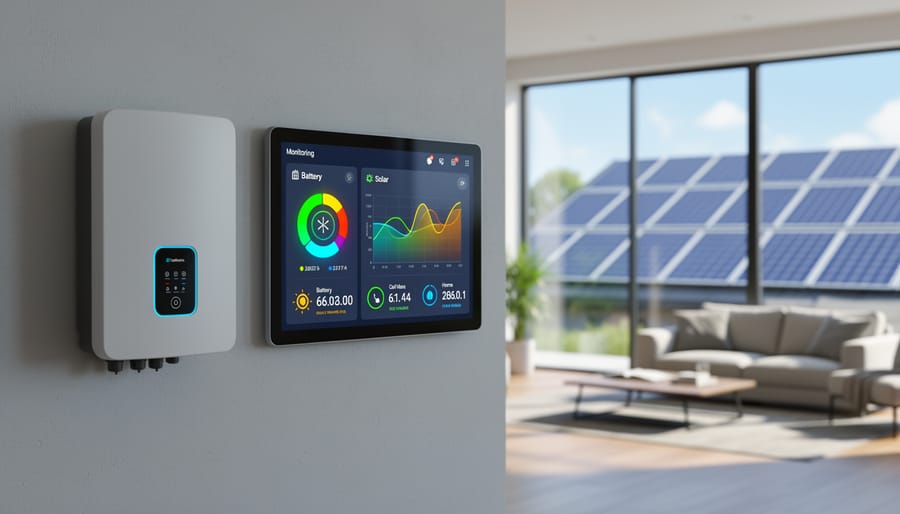
Modern energy management systems take this further by tracking real-time electricity rates in areas with time-of-use pricing. They automatically decide whether to use battery power, solar energy, or grid electricity based on what’s most cost-effective at any given moment. Some systems even allow you to set preferences, like prioritizing battery power during peak rate hours or reserving a certain charge level for emergency backup.
The beauty of this integrated approach is its intelligence and flexibility. Your battery isn’t just storing energy randomly—it’s actively participating in a coordinated dance with your solar panels and the grid, ensuring you maximize your investment while maintaining reliable power. Plus, many systems offer smartphone apps that let you monitor and control everything from anywhere, giving you complete visibility into your energy production, consumption, and savings in real-time.
What These Batteries Mean for Your Electric Bill
Let’s talk about the numbers that matter most: what advanced electric batteries can actually save you each month. The impact on your wallet depends on three key factors: your energy usage patterns, your local utility rates, and how well you optimize time-of-use charging.
Time-of-use optimization is where the magic happens. During peak hours when electricity costs surge to 30-40 cents per kilowatt-hour, your battery supplies stored power instead of drawing from the grid. You’re essentially buying electricity at night when it’s cheap (around 10-15 cents per kWh) and using it during expensive daytime hours. This strategy alone can reduce your electric bill by 40-60% in areas with significant rate variations.
| Household Size | Battery Capacity | Monthly Savings | Annual Total |
|---|---|---|---|
| 2-3 people | 10 kWh | $85-$125 | $1,020-$1,500 |
| 4-5 people | 13.5 kWh | $140-$190 | $1,680-$2,280 |
| Large home/office | 20+ kWh | $220-$300 | $2,640-$3,600 |
These figures reflect real-world scenarios combining time-of-use optimization with partial grid independence. The actual impact varies by location, with California and Massachusetts homeowners seeing the highest returns due to their tiered rate structures.
Meet Jennifer from Phoenix, Arizona. After installing a 13.5 kWh battery system paired with her existing solar panels, her summer electric bills dropped from $280 monthly to just $95. Her payback period? Seven years, factoring in federal tax credits and state incentives. “The peace of mind during monsoon season outages makes it worth every penny,” she shares.
Commercial property manager David in New York achieved even faster returns. His 40 kWh battery system for a small office building pays for itself in five years through demand charge reduction alone, saving approximately $4,200 annually.
Realistic payback periods range from 6-12 years for residential installations, depending on your electricity rates and available incentives. Systems in high-cost electricity markets like Hawaii or New England typically hit break-even around year six, while moderate-cost areas average nine years. Factor in the increasing grid independence and backup power capabilities, and you’re investing in both financial savings and energy security.
Choosing the Right Battery System for Your Home
Selecting the perfect battery system for your home doesn’t have to feel overwhelming. Think of it like choosing the right-sized refrigerator—you need enough capacity for your household without paying for space you’ll never use. Let’s walk through the key factors that will help you make a confident decision.
Start by examining your daily energy consumption. Pull up your electricity bills from the past year and note your average daily usage in kilowatt-hours (kWh). Most households use between 20-30 kWh per day, but your number might be higher or lower depending on your home size, appliances, and lifestyle. Understanding your baseline consumption is the foundation for choosing appropriate solar storage solutions.
Next, consider what you want your battery to accomplish. Are you looking for backup power during outages, or do you want to maximize solar energy use and reduce grid dependence? For basic backup covering essential appliances like refrigerators, lights, and internet during a few hours of outage, a 10 kWh battery might suffice. However, if you’re aiming for whole-home backup lasting multiple days, you’ll likely need 20-30 kWh or more.
Climate plays a surprisingly significant role in battery selection. If you live in extremely hot or cold regions, look for battery systems with built-in temperature management features. Lithium-ion batteries, for instance, perform best between 50-85 degrees Fahrenheit. Some modern systems include thermal regulation to maintain optimal performance year-round, which protects your investment and ensures reliability when you need it most.
Your energy usage patterns matter too. Do you consume most electricity in the evening when solar production stops? A battery system can store daytime solar generation for nighttime use, potentially eliminating evening grid purchases. Track when your household uses the most power to determine if battery storage aligns with your consumption habits.
Budget considerations should balance upfront costs with long-term savings. While a larger battery system costs more initially, it might deliver better returns if your utility charges high rates during peak hours or if you experience frequent outages. Many homeowners find that mid-sized systems (13-15 kWh) offer the sweet spot between capability and affordability.
Finally, don’t forget to factor in future needs. Planning to add an electric vehicle? Expecting your household to grow? Choosing a modular system that allows capacity expansion gives you flexibility as your energy needs evolve without requiring complete replacement.
Real Homeowners Share Their Battery Storage Experience
Hearing from people who’ve actually lived with battery storage systems provides invaluable insights that specifications alone can’t capture. We’ve gathered experiences from homeowners across different regions who’ve taken the leap into solar-plus-storage living.
Maria Chen from Phoenix, Arizona, installed a 13.5 kWh lithium-ion battery system alongside her solar panels two years ago. “The installation took just one day, which surprised me,” she shares. “What I didn’t expect was how empowering it feels to watch our energy flow in real-time on the app. During last summer’s heat wave, our neighborhood experienced three power outages, but our air conditioning never stopped running. That peace of mind is priceless.” Maria’s system performs exceptionally well in Arizona’s intense heat, with modern thermal management keeping efficiency high even during 115-degree days.
James Robertson in Vermont had different concerns about cold-weather performance. “I was worried about battery efficiency in our harsh winters,” he explains. “But the system’s heating element maintains optimal operating temperature automatically. The real game-changer has been storing excess solar production from long summer days to offset our winter usage. Our electric bills have dropped by 78 percent year-round.”
California homeowner Sandra Kumar discovered unexpected benefits during wildfire season. “When Pacific Gas & Electric started implementing public safety power shutoffs, our battery kept essentials running for two full days without grid power. We could refrigerate medications, charge medical devices, and maintain our home office. The return on investment came faster than projected because we avoided spoiled food and lost work time.”
These homeowners consistently emphasize three common themes: smoother installation processes than anticipated, reliable performance across temperature extremes with proper system selection, and discovering uses they hadn’t initially considered. Their experiences demonstrate that advanced battery technology has matured into a practical, dependable solution for everyday energy independence.
Installation and Maintenance: What to Expect
Installing an advanced electric battery system is more straightforward than most homeowners imagine, though proper planning ensures everything goes smoothly. Understanding what happens at each stage helps you prepare your home and set realistic expectations for your solar-plus-storage journey.
The installation process typically begins with a professional site assessment. A certified installer visits your property to evaluate your electrical panel, available space for the battery unit, and how the system will integrate with your existing solar panels. They’ll discuss your energy goals and recommend the right battery capacity for your household needs. This consultation usually takes one to two hours and gives you a clear picture of what to expect.
Once you’ve selected your system, here’s the typical timeline you can anticipate:
- Permit approval and utility coordination (2-6 weeks depending on your local jurisdiction)
- Equipment delivery and scheduling your installation date (1-2 weeks)
- Physical installation of the battery system and electrical connections (1-2 days for most residential systems)
- Final inspection by local authorities and utility company approval (1-2 weeks)
- System activation and homeowner training on monitoring tools (same day as approval)
The entire process from contract signing to flipping the switch usually takes six to ten weeks, though timelines vary by location and permitting requirements.
Maintenance requirements for modern battery systems are refreshingly minimal. Most advanced batteries are designed as sealed units that monitor their own health through smart software. You’ll want to keep the installation area clean and well-ventilated, check your monitoring app quarterly to ensure everything operates within normal parameters, and schedule a professional inspection every two to three years. Many manufacturers offer remote monitoring that alerts you to any issues before they become problems.
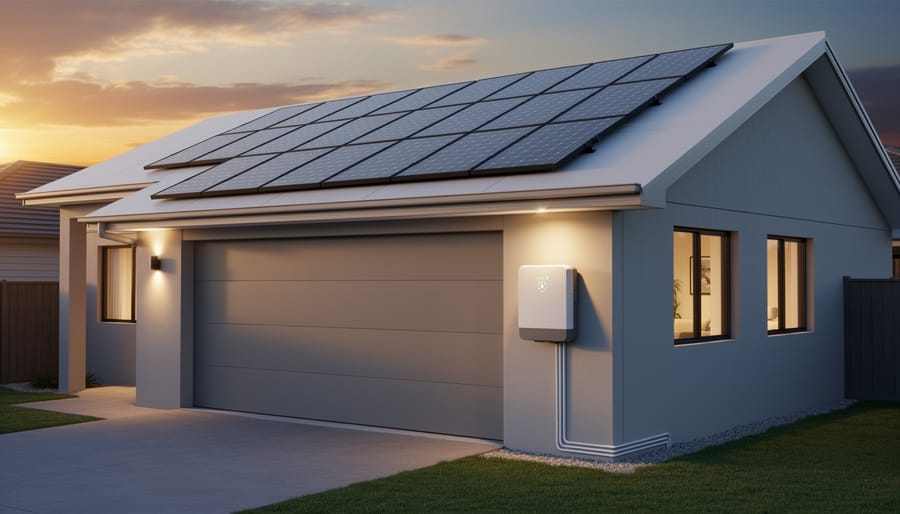
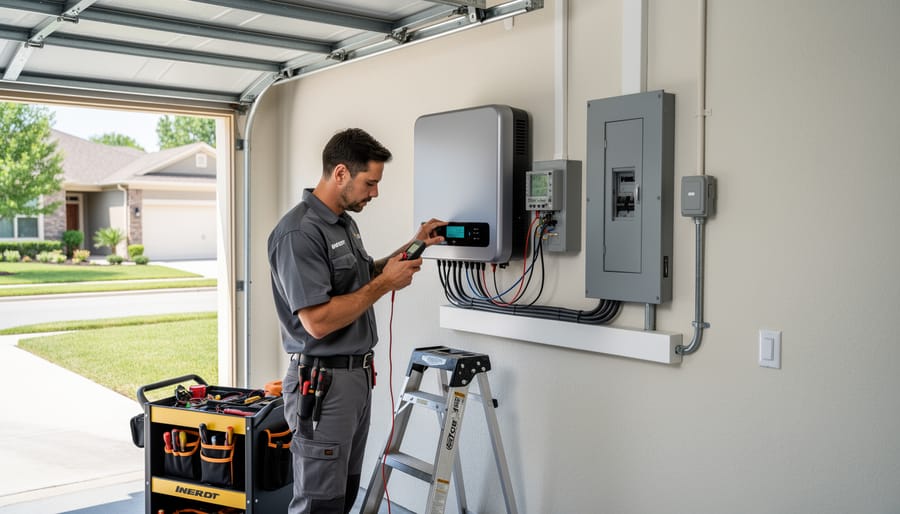
Safety features are built into today’s systems, including thermal management, automatic shutdown protocols, and fire-resistant enclosures. Your installer will review emergency procedures and ensure your battery meets all local fire codes. Most batteries can be installed indoors in a garage or utility room, or outdoors in a weatherproof enclosure. The key is maintaining adequate clearance around the unit for ventilation and service access, typically about three feet on the service side.
The Environmental Impact Beyond Your Home
When you install an advanced battery system in your home, you’re doing more than just improving your own energy independence. You’re actually contributing to a much larger environmental movement that’s transforming how our entire electric grid operates.
Think of it this way: traditional power grids face enormous pressure during peak demand hours, typically early evening when everyone returns home and turns on appliances. Power companies often fire up older, less efficient plants to meet this surge, which means more emissions. When thousands of homes have battery storage, they can draw from their stored solar energy during these critical times instead of pulling from the grid. This collective action dramatically reduces the need for those polluting backup power plants.
The ripple effects go even further. Utility companies can better manage renewable energy sources when homes have battery storage. Wind and solar farms sometimes generate more power than the grid can handle at certain times, which can lead to wasted clean energy. With widespread battery adoption, excess renewable energy gets stored rather than curtailed, making renewable installations more viable and profitable.
Your battery system also stabilizes the local grid by providing what experts call “distributed energy resources.” Instead of one massive power plant serving an entire region, thousands of home batteries create a flexible, resilient network that can respond quickly to changes in demand. This means fewer transmission losses, less infrastructure strain, and ultimately, a more sustainable energy system for everyone.
Studies show that if just 30% of solar homes added battery storage, we could reduce carbon emissions equivalent to taking hundreds of thousands of cars off the road annually. That’s the kind of meaningful environmental impact that starts right in your own garage.
Advanced electric batteries have transformed solar energy from a daytime-only power source into a complete, around-the-clock energy solution for modern homes. The technology has matured significantly over the past decade, moving from experimental installations to reliable systems that millions of homeowners trust daily. Today’s lithium-ion and emerging solid-state batteries offer impressive lifespans of 10-15 years, efficiency rates exceeding 90%, and smart features that optimize your energy use automatically.
The benefits extend far beyond simple backup power. You’ll gain energy independence, protection from rising utility rates, and the satisfaction of maximizing your renewable energy investment. Real homeowners are already experiencing these advantages, with many reporting 70-90% reductions in grid dependency and complete peace of mind during outages. As battery prices continue declining and incentives remain available, the financial case for adding storage to your solar system has never been stronger.
Whether you’re planning a new solar installation or upgrading an existing system, battery storage represents a practical step toward true energy autonomy. The technology is no longer cutting-edge or experimental—it’s proven, accessible, and ready for your home. Start by assessing your energy needs, exploring available incentives in your area, and consulting with certified installers who can design a system tailored to your situation.
The future of home energy is here, combining the sun’s limitless potential with intelligent storage that works when you need it most. By embracing advanced battery technology alongside your solar panels, you’re not just reducing your carbon footprint—you’re investing in energy security, financial savings, and a more sustainable tomorrow. Take that confident step forward and discover how solar-plus-storage can transform your relationship with energy.


