How Community Solar Developers Are Transforming Urban Energy (And How You Can Join)
Transform your neighborhood’s energy landscape through community solar development – a revolutionary approach that’s making clean energy accessible to everyone, regardless of home ownership or roof space. Community solar developers are the architects of shared renewable energy projects, building solar installations that power hundreds of homes while cutting electricity costs by up to 15%.
These innovative projects are reshaping urban sustainability, with a single community solar farm capable of generating enough electricity to power 1,000+ households. Unlike traditional rooftop solar, these shared installations eliminate common barriers like upfront costs, maintenance responsibilities, and structural requirements, making solar energy available to renters, apartment dwellers, and homeowners alike.
As cities embrace renewable energy targets and communities demand cleaner power options, community solar developers serve as crucial bridges between local governments, utilities, and residents. They handle everything from site selection and permitting to construction and subscriber management, creating a seamless path to sustainable energy participation.
Whether you’re a property owner looking to host a solar installation or a resident eager to subscribe to clean energy, community solar represents the democratization of renewable power – making environmental stewardship and energy savings accessible to all.
What Makes Community Solar Development Different
The Urban Solar Challenge
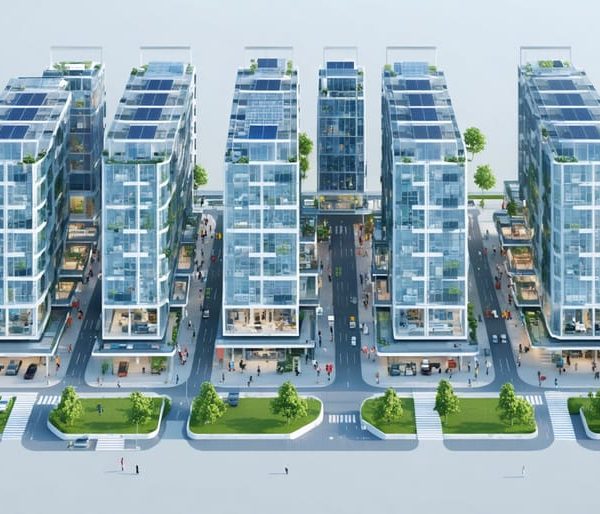
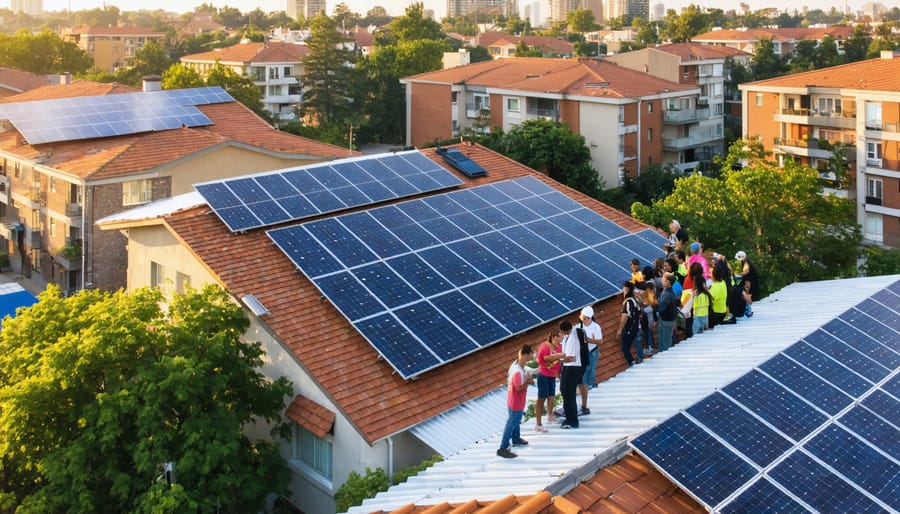
Implementing solar projects in urban environments presents unique challenges that community solar developers must navigate skillfully. Dense building layouts, varying roof conditions, and complex zoning regulations often require innovative urban grid solar solutions to overcome these obstacles.
Space constraints are perhaps the most significant hurdle, with developers needing to maximize energy generation in limited areas. Historic buildings may have structural limitations or preservation requirements that restrict solar installations. Shadowing from neighboring buildings can reduce panel efficiency, requiring careful planning and advanced technology to optimize energy capture.
Property ownership complexities in urban areas also present challenges. Many buildings have multiple owners or tenants, making it essential to secure agreements and coordinate installations effectively. Additionally, local electrical infrastructure may need upgrades to handle increased solar capacity, requiring coordination with utility companies and municipal authorities.
Despite these challenges, innovative design approaches and emerging technologies are making urban solar projects increasingly viable, helping cities transition to cleaner energy sources while maintaining their architectural character.
Community-First Approach
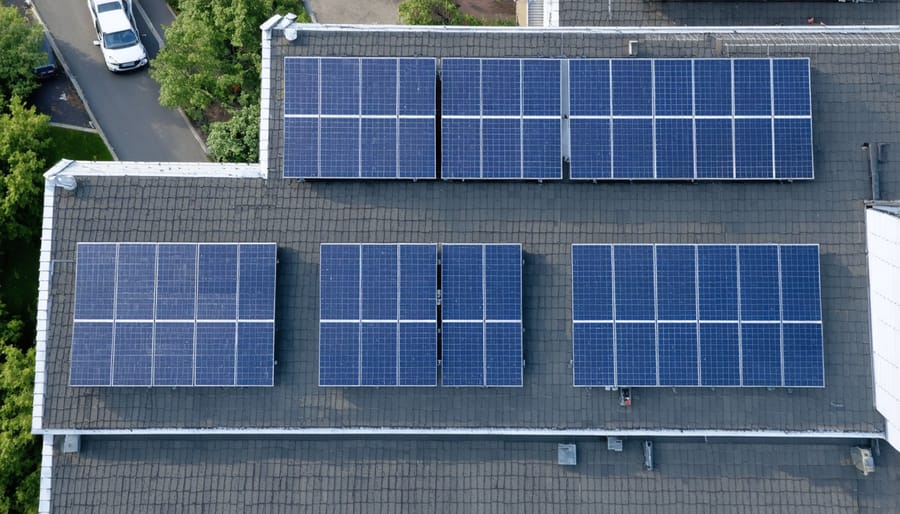
Successful community solar developers recognize that local engagement is the cornerstone of any thriving project. They begin by hosting town halls and community meetings to understand neighborhood needs, concerns, and aspirations. These developers work closely with local leaders, businesses, and residents to shape projects that truly benefit the community.
A key aspect of their approach involves creating jobs and training opportunities for local residents. Many developers partner with vocational schools and community colleges to establish solar installation training programs, ensuring that project benefits extend beyond clean energy generation.
Developers also prioritize transparent communication throughout the development process. They maintain regular updates through newsletters, social media, and dedicated project websites. Some even create community advisory boards, giving residents a voice in decision-making processes.
Financial benefits are structured to prioritize local participants, with developers often offering early enrollment bonuses and special rates to nearby residents. They also work to make participation accessible to low-income households through flexible payment options and targeted discount programs.
This community-first approach helps ensure long-term project success while building lasting relationships with local stakeholders.
The Development Process Explained
Site Selection and Assessment
Community solar developers follow a methodical approach when selecting potential project sites. They begin by analyzing satellite imagery and local maps to identify suitable open spaces near existing electrical infrastructure. Key factors include the site’s proximity to solar-powered buildings and residential areas, ensuring maximum community benefit.
Developers assess various technical aspects, including solar irradiance levels, shading from nearby structures, and terrain characteristics. They also evaluate the site’s zoning regulations, existing land use, and environmental impact considerations. A thorough review of the local utility grid’s capacity and interconnection requirements helps determine project feasibility.
Community engagement plays a crucial role in site selection. Developers often conduct surveys and host town halls to gauge local interest and address concerns. They also investigate property ownership, easements, and any historical significance that might affect development.
The final assessment includes a detailed financial analysis, considering factors like land costs, expected energy production, and potential subscriber base. This comprehensive approach ensures selected sites can support successful, sustainable community solar projects.
Community Engagement Strategies
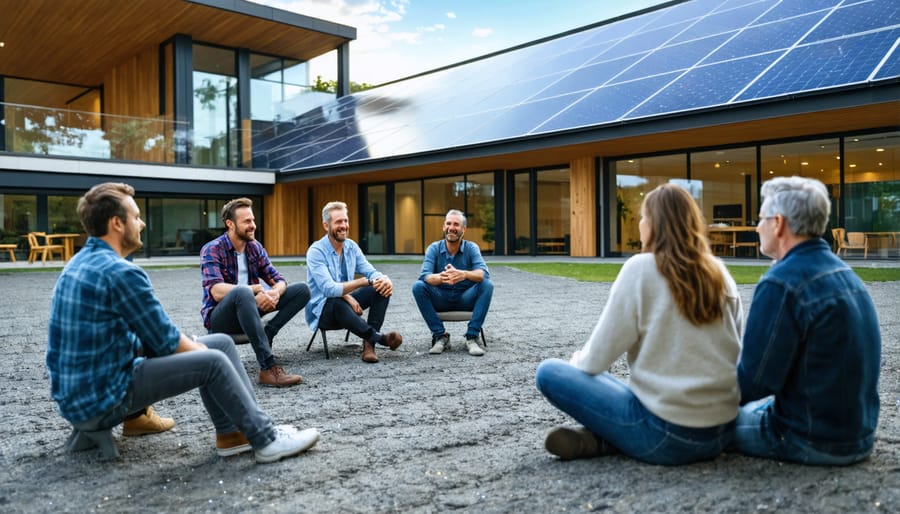
Successful community solar projects thrive on strong local support and active participation. Developers employ various strategies to engage residents and build lasting relationships within the community. They often start by hosting informational sessions at local community centers, libraries, and schools to educate residents about solar benefits and project details.
Door-to-door outreach campaigns help reach diverse community members, while multilingual materials ensure inclusive communication. Developers frequently partner with trusted local organizations, religious institutions, and neighborhood associations to build credibility and extend their reach.
Digital engagement through social media, email newsletters, and dedicated project websites keeps subscribers informed about development progress and opportunities to participate. Many developers create advisory boards comprising local residents, business owners, and community leaders to gather feedback and address concerns throughout the project lifecycle.
To demonstrate commitment to the community, developers often incorporate workforce development programs, offering solar installation training and job opportunities to local residents. They may also establish scholarship funds or support local environmental initiatives using project revenues.
Regular project updates, transparent communication about timeline changes, and clear explanations of subscriber benefits help maintain community trust and enthusiasm. Some developers organize site visits and solar education workshops, making the technical aspects of solar power more accessible to everyone interested.
Project Implementation
Once a community solar project gets the green light, developers follow a carefully planned implementation process. First, they conduct detailed site assessments, checking everything from soil conditions to sun exposure patterns. They then work with local contractors to prepare the land, install mounting structures, and set up the solar panels.
The installation team carefully positions each panel to maximize sunlight capture throughout the day. They connect the panels to sophisticated inverter systems that convert DC power to usable AC electricity. Smart meters are installed to track energy production and consumption accurately.
A crucial part of implementation involves connecting to the local power grid. Developers coordinate with utility companies to establish proper interconnection points and ensure compliance with safety standards. They also set up monitoring systems that allow real-time tracking of system performance.
Throughout the process, developers maintain open communication with community members, providing updates and addressing concerns. They organize site visits during construction to help participants understand the technical aspects of their investment. Once operational, the developer implements a maintenance schedule and establishes a customer service system to handle inquiries and ensure smooth operation.
The final step involves activating subscriber accounts and beginning the distribution of solar credits to participating community members.
Benefits for Urban Residents
Cost Savings and Financial Benefits
Joining a community solar project can lead to significant financial benefits for both homeowners and businesses. On average, participants save 10-15% on their monthly electricity bills, with some programs offering savings up to 20% depending on location and project size. These savings typically start showing up within the first billing cycle after enrollment.
For a typical household spending $150 monthly on electricity, this translates to annual savings between $180 and $360. Commercial participants often see even greater returns, with some businesses reporting annual savings of $5,000 or more on their energy costs.
What makes community solar particularly attractive is the minimal upfront investment. Unlike rooftop solar installations that can cost $15,000-$25,000, community solar subscriptions often require no initial payment or just a small enrollment fee. Most programs operate on a pay-as-you-go model, where you’re only charged for the solar credits you receive.
The financial benefits extend beyond direct energy savings. Property values in areas with community solar access tend to increase, and some programs offer referral bonuses or early-bird incentives. Additionally, many states provide tax incentives and renewable energy credits for community solar participation, further enhancing the financial returns.
For businesses, community solar can be particularly advantageous for ESG reporting and can help attract environmentally conscious customers while reducing operational costs.
Environmental and Social Impact
Community solar projects create ripple effects of positive change that extend far beyond individual energy savings. These installations significantly reduce greenhouse gas emissions, with a typical 2-megawatt project offsetting approximately 2,000 tons of carbon dioxide annually – equivalent to removing 400 cars from the road. As part of broader urban solar transformations, these projects help cities meet their climate action goals while improving air quality for residents.
The social benefits are equally impressive. Community solar developments create local jobs in installation, maintenance, and project management, boosting the local economy. They also provide opportunities for workforce development through training programs and apprenticeships in the renewable energy sector. Many developers partner with local schools to offer educational programs, helping students understand renewable energy through hands-on learning experiences.
These projects often transform unused spaces into productive solar gardens, enhancing land value and creating new purpose for vacant lots or brownfields. The collaborative nature of community solar strengthens neighborhood bonds, as residents work together toward shared sustainability goals. Low-income families particularly benefit through specialized programs that ensure equal access to clean energy, helping address energy equity issues in urban communities.
Additionally, community solar installations often incorporate native plants and pollinator-friendly vegetation beneath the panels, creating new habitats for local wildlife while maintaining biodiversity in urban areas.
How to Get Involved
Finding Local Projects
Discovering local community solar projects has never been easier, thanks to several reliable resources and tools available to interested participants. Start by checking your state’s energy office website, which often maintains databases of approved community solar developments and energy independence initiatives.
Popular solar marketplace websites like EnergySage and SolarReviews provide searchable databases where you can find community solar projects in your area. Simply enter your zip code to see available opportunities nearby. Many utility companies also maintain lists of local community solar installations and subscription options for their customers.
Local environmental organizations and sustainability groups often partner with developers and can connect you with upcoming projects. Consider attending community board meetings or clean energy workshops in your area, as developers frequently present their projects at these events.
Social media platforms and neighborhood apps like Nextdoor can also be valuable resources for finding community solar opportunities. Many developers maintain active social media presence and regularly post updates about new projects.
For the most direct approach, contact community solar developers operating in your state. Most maintain waiting lists for future projects and can notify you when opportunities become available in your area. Remember to verify the developer’s credentials and track record before making any commitments.
Evaluation Checklist
Before joining a community solar project, use this comprehensive checklist to evaluate the developer and project details:
Project Transparency
✓ Clear documentation of project timeline and milestones
✓ Detailed breakdown of costs and savings estimates
✓ Regular communication channels established
✓ Accessible customer service support
Developer Credentials
✓ Verified licensing and certifications
✓ Track record of successful projects
✓ Positive customer reviews and testimonials
✓ Strong financial stability
✓ Insurance coverage and warranties
Technical Considerations
✓ Solar panel quality and efficiency ratings
✓ Maintenance plan and schedules
✓ Grid connection agreements
✓ Performance monitoring systems
Financial Terms
✓ Subscription fee structure
✓ Expected monthly savings
✓ Contract length and flexibility
✓ Cancellation policies
✓ Credit requirements
Location and Access
✓ Distance from your residence
✓ Local utility participation
✓ Zoning compliance
✓ Environmental impact assessment
Community Benefits
✓ Job creation opportunities
✓ Local economic impact
✓ Environmental benefits quantification
✓ Community engagement programs
Remember to request and review all documentation carefully, and consider consulting with an energy advisor or legal professional before making your final decision. Take time to compare multiple developers and projects to ensure you’re choosing the option that best aligns with your goals and values.
Community solar developers play a pivotal role in shaping our sustainable future by bridging the gap between clean energy and urban communities. Their expertise and dedication make solar power accessible to everyone, regardless of home ownership status or roof conditions. Through their efforts, we’re seeing a transformation in how neighborhoods access and benefit from renewable energy.
The impact of these developers extends far beyond just providing clean electricity. They create jobs, strengthen local economies, and build more resilient communities. By bringing neighbors together around shared environmental goals, they foster a sense of community ownership and pride in sustainable initiatives.
Now is the perfect time to get involved with community solar. Whether you’re a homeowner looking to subscribe to a local project, a business owner interested in hosting a solar array, or an investor seeking sustainable opportunities, community solar developers can help you make a meaningful impact.
Take the first step today by reaching out to local developers or joining community solar initiatives in your area. Your participation not only helps reduce carbon emissions but also contributes to a more equitable and sustainable energy future. Together, we can create positive change that benefits both our communities and the planet.
Remember, every subscription to a community solar project brings us closer to a cleaner, more sustainable world. Let’s embrace this opportunity to be part of the renewable energy revolution.