Net-Zero Prefab Homes: The Future of Energy-Smart Living Is Here
Imagine stepping into a home that produces as much energy as it uses, built in a fraction of the time of traditional construction. Net-zero energy prefab homes represent the perfect fusion of sustainable living and modern efficiency, offering homeowners a revolutionary path to energy independence.
These innovative dwellings combine cutting-edge solar technology, superior insulation, and smart home systems with the precision and cost-effectiveness of factory-based construction. While traditional homes struggle with rising energy costs and environmental impact, net-zero prefab homes deliver predictable energy bills (often zero), minimal carbon footprint, and surprisingly competitive upfront costs.
The prefabricated approach means these homes arrive 90% complete, dramatically reducing construction time and site disruption. Advanced manufacturing techniques ensure exceptional quality control and weather resistance, while integrated energy monitoring systems help homeowners optimize their consumption in real-time.
For environmentally conscious buyers seeking both sustainability and modern comfort, net-zero energy prefab homes offer an elegant solution that’s ready for today’s challenges. As energy costs continue to rise and climate concerns grow, these homes aren’t just a glimpse of the future – they’re a practical, available choice for forward-thinking homeowners right now.
What Makes a Prefab Home Net-Zero?

Core Components of Net-Zero Prefab Design
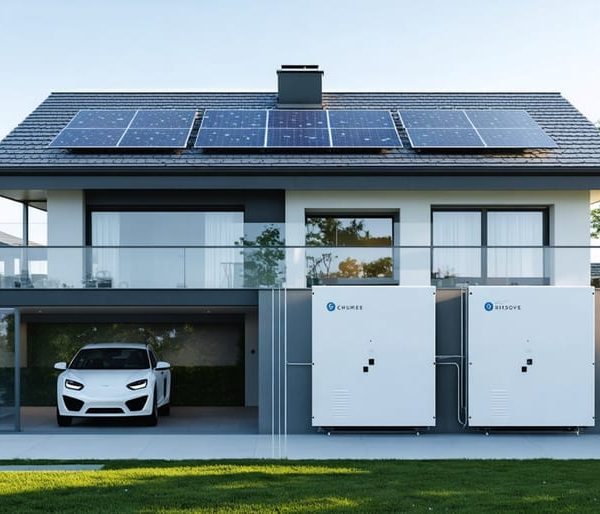
The heart of any net-zero prefab home lies in its carefully integrated components, working together to achieve energy independence. Solar panels form the cornerstone of these homes, with advanced photovoltaic systems designed to maximize energy production. Many homeowners are exploring community solar integration options when roof space is limited.
Superior insulation is another crucial element, featuring high-performance materials like structural insulated panels (SIPs) that create an airtight building envelope. These panels effectively minimize heat loss in winter and keep homes cooler during summer months.
Energy-efficient systems complete the net-zero equation. Smart HVAC solutions, including heat pumps and energy recovery ventilators, maintain comfort while consuming minimal power. LED lighting, Energy Star appliances, and smart home controls further reduce energy demands. Water conservation features, such as low-flow fixtures and rainwater harvesting systems, complement these energy-saving components.
The beauty of prefab design lies in how these elements are precision-engineered to work together, ensuring optimal performance right from day one.
Advanced Energy Management Systems
Modern net-zero prefab homes come equipped with sophisticated energy management systems that put control right at your fingertips. These smart systems monitor your home’s energy production and consumption in real-time, allowing you to optimize your usage for maximum efficiency.
A central smart home hub connects to various sensors throughout the house, tracking everything from solar panel performance to battery storage levels. Through user-friendly mobile apps, you can view detailed energy reports, adjust temperature settings, and control smart appliances from anywhere.
Many systems include AI-powered features that learn your habits and automatically adjust settings for optimal efficiency. For example, the system might automatically shift heavy energy usage to peak solar production hours or adjust heating and cooling based on weather forecasts.
Real-time monitoring helps identify potential issues before they become problems. If solar panel performance drops or energy usage spikes unexpectedly, you’ll receive instant notifications. Some systems even integrate with smart home assistants like Alexa or Google Home, allowing voice control of energy settings.
These advanced features not only help maintain net-zero status but also make sustainable living more convenient and engaging.

Benefits of Choosing a Net-Zero Prefab Home
Financial Advantages
Net zero energy prefab homes offer substantial financial benefits that extend far beyond their initial investment. With advanced solar systems and energy-efficient design, these homes can eliminate energy bills completely, potentially saving homeowners thousands of dollars annually.
The financial advantages become even more attractive when considering available incentives. Many regions offer local green energy incentives, federal tax credits, and rebate programs that can significantly reduce the upfront costs. These incentives often cover up to 30% of solar installation costs and may include additional benefits for energy-efficient building materials and systems.
Property values for net zero homes typically appreciate faster than traditional homes, making them excellent long-term investments. As energy costs continue to rise and environmental consciousness grows, these homes become increasingly desirable in the real estate market. Buyers are willing to pay premium prices for properties that offer guaranteed low operating costs and environmental benefits.
Insurance companies often offer reduced rates for net zero homes due to their advanced building materials and modern safety features. Additionally, many mortgage lenders provide special “green mortgage” programs with favorable terms for energy-efficient homes, potentially leading to lower interest rates and reduced monthly payments.
Environmental Impact
Net-zero energy prefab homes significantly reduce environmental impact through their innovative design and sustainable materials and practices. These homes typically reduce carbon emissions by 70-90% compared to traditional houses, primarily through their energy-efficient design and renewable energy systems.
The manufacturing process of prefab homes itself contributes to environmental protection. Factory construction minimizes waste, with many manufacturers recycling up to 90% of leftover materials. Advanced computer-aided design ensures precise material cutting, reducing construction waste that typically ends up in landfills.
Most net-zero prefab homes incorporate eco-friendly building materials like recycled steel, sustainably harvested wood, and low-VOC finishes. These choices not only minimize environmental impact but also create healthier living spaces for residents. The homes’ tight building envelope and superior insulation reduce energy consumption while maintaining comfort year-round.
The carbon footprint reduction extends beyond construction. Solar panels, energy-efficient appliances, and smart home systems work together to eliminate operational carbon emissions. Many homeowners even generate excess clean energy, which they can feed back into the power grid, helping their communities transition to renewable energy sources.
Water conservation features, such as rainwater harvesting systems and low-flow fixtures, further enhance these homes’ environmental benefits, making them truly sustainable living solutions for the future.
Real-World Performance
Real-world data from existing net-zero prefab homes demonstrates impressive performance metrics that validate their design principles. The BrightHome community in Colorado, completed in 2019, showcases how these homes consistently outperform traditional builds. Their average annual energy consumption is fully offset by solar production, with most homes generating 5-10% more energy than they use.
A particularly notable example is the Smith family’s prefab home in Vermont, which has maintained net-zero status for three consecutive years. Their 2,200-square-foot home produces approximately 11,000 kWh annually while consuming only 9,800 kWh, creating a surplus that powers their electric vehicle.
The Unity Homes development in New Hampshire provides compelling data across multiple units. These homes consistently achieve HERS (Home Energy Rating System) scores below 0, indicating they produce more energy than they consume. Monitoring data shows average monthly utility bills of less than $10, covering only basic connection fees.
Homeowner Sarah Chen shares her experience: “Our prefab home has exceeded expectations. During summer months, we generate enough excess energy to earn credits from our utility company. Even during harsh winters, our total energy costs remain minimal thanks to superior insulation and efficient systems.”
Commercial applications are equally promising. The GreenLife Office Park, featuring six net-zero prefab buildings, reports 40% lower operational costs compared to conventional office spaces. Their success has prompted two similar developments in neighboring states.
Key performance indicators from these case studies reveal:
– Average payback period of 8-12 years for initial renewable energy investments
– 95% reduction in annual energy bills
– Consistent indoor temperatures with minimal HVAC usage
– Enhanced resilience during power outages through integrated battery storage
– Minimal maintenance requirements for energy systems
These real-world examples demonstrate that net-zero prefab homes not only achieve their energy goals but often surpass expectations, providing tangible environmental and financial benefits to owners.
Making the Transition
Selection Process
When selecting a net-zero energy prefab home, several crucial factors deserve careful consideration. First, evaluate the home’s energy efficiency features, including insulation quality, window specifications, and overall thermal performance. Consider the available solar exposure at your building site, as this directly impacts the effectiveness of solar panels.
Size and layout requirements should match your lifestyle while maintaining optimal energy efficiency. Pay attention to the manufacturer’s track record in building net-zero homes and their certification standards. The home’s mechanical systems, such as heat pumps and energy recovery ventilators, should be appropriately sized and energy-efficient.
Budget considerations should include not just the initial purchase price, but also long-term energy savings and potential incentives. Local building codes and zoning regulations may affect your choices, so research these early in the process. Finally, examine the warranty coverage and after-sale support offered by the manufacturer to ensure long-term satisfaction with your investment.
Installation and Setup
The installation process for net zero energy prefab homes typically spans 4-8 weeks, significantly faster than traditional construction. The journey begins with site preparation, including foundation work and utility connections, which usually takes 1-2 weeks. Once the site is ready, the pre-manufactured modules arrive on specialized trucks.
A team of skilled installers uses cranes to precisely position each module, completing the basic structure within 2-3 days. The next phase involves connecting utilities, installing solar panels, and setting up energy monitoring systems, typically requiring 2-3 weeks. Final touches, including interior finishing and exterior landscaping, take an additional 1-2 weeks.
Throughout the process, quality control inspectors ensure everything meets local building codes and energy efficiency standards. Many manufacturers provide project managers who coordinate with local contractors and oversee the entire installation. This streamlined approach minimizes construction waste and reduces the environmental impact while ensuring your home is move-in ready in a fraction of the time compared to traditional construction methods.

Net-zero energy prefab homes represent a significant leap forward in sustainable living, combining the efficiency of prefabricated construction with cutting-edge renewable energy technology. As more homeowners embrace this innovative housing solution, we’re seeing a growing ecosystem of manufacturers, installers, and energy consultants working together to make these homes more accessible and affordable.
The benefits are clear: reduced carbon footprint, minimal energy bills, increased property value, and the satisfaction of contributing to a more sustainable future. With advancements in solar technology, energy storage systems, and smart home integration, net-zero prefab homes are becoming increasingly sophisticated while maintaining their user-friendly appeal.
Looking ahead, the future of net-zero prefab homes appears promising. As construction costs continue to decrease and energy efficiency technologies improve, these homes are expected to become a mainstream housing option. Government incentives, growing environmental awareness, and the rising demand for sustainable living solutions all point toward continued growth in this sector. For homeowners seeking a practical way to combine comfort, innovation, and environmental responsibility, net-zero prefab homes offer an exciting and viable path forward.