Personal Solar Panels Are Changing How We Power Our Tech (Here’s How)
Transform your energy independence with personal solar panels – the portable power revolution that’s reshaping how we charge our devices and save money with solar power. From compact folding panels that fit in your backpack to window-mounted solutions for apartment dwellers, these versatile energy generators deliver reliable, clean power wherever life takes you. Whether you’re camping off-grid, preparing for emergencies, or simply reducing your carbon footprint, today’s personal solar technology offers an accessible entry point into renewable energy. With advancing efficiency rates and falling prices, portable solar panels now provide practical solutions for charging smartphones, laptops, and other essential devices while contributing to a more sustainable future.
What Are Personal Solar Panels?
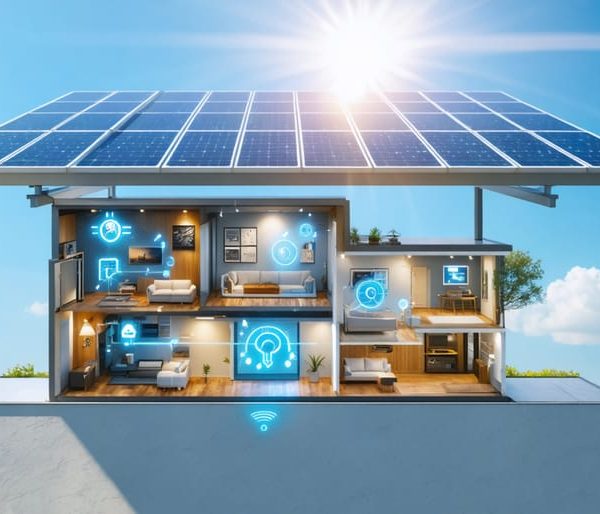
Personal solar panels are compact, portable solar energy systems designed for individual use, ranging from small device chargers to larger residential installations. These versatile power solutions capture sunlight through photovoltaic cells and convert it into usable electricity, making them perfect for both on-the-go charging and home energy production.
Available in various sizes, personal solar panels can be as small as a smartphone or as large as a car hood. Portable models typically range from 5 to 100 watts, while residential versions can extend to several hundred watts per panel. The size you choose depends on your specific power needs and intended use.
These panels work by utilizing silicon-based cells that create an electric current when exposed to sunlight. This process, known as the photovoltaic effect, generates clean, renewable energy that can power everything from phones and laptops to home appliances. Most personal solar panels come with built-in charge controllers to regulate power output and prevent device damage.
What makes personal solar panels particularly appealing is their plug-and-play nature. Many models feature USB ports and standard electrical outlets, allowing you to charge devices directly. Some even include battery storage systems, enabling you to save power for later use when sunlight isn’t available.
Whether you’re camping in the wilderness, preparing for emergencies, or simply looking to reduce your carbon footprint, personal solar panels offer a practical solution for sustainable power generation.

Popular Personal Solar Devices You Can Use Today
Portable Chargers and Power Banks
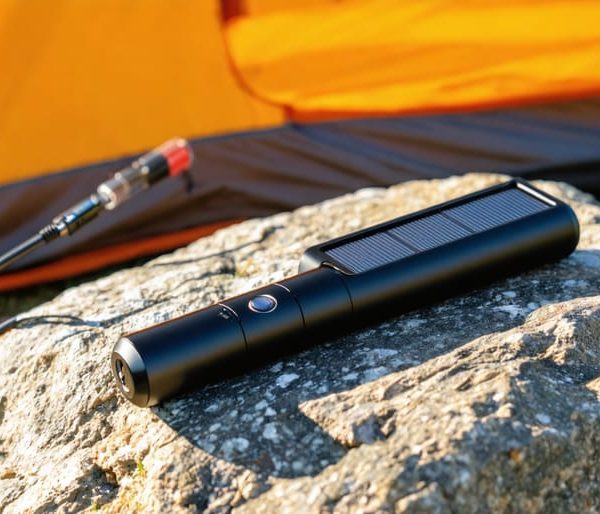
Today’s solar-powered charging solutions have revolutionized how we keep our devices powered on the go. Modern power banks with integrated solar panels typically range from 10,000mAh to 25,000mAh capacity, offering multiple device charges before needing a recharge themselves. These portable chargers feature USB ports for phones and tablets, with many including fast-charging capabilities and LED lighting for emergencies. While they can charge solely through solar power, most models also allow traditional wall charging for backup. The best units incorporate rugged, weather-resistant designs perfect for outdoor adventures, with foldable panels that maximize sun exposure. Look for models with built-in safety features like overcharge protection and automatic device recognition for optimal charging speeds.
Solar Backpacks and Wearables
Solar backpacks and wearable accessories have revolutionized how we harness solar power on the go. These innovative products feature flexible solar panels seamlessly integrated into everyday items, making sustainable energy truly portable. Popular options include backpacks with built-in panels that can charge smartphones, tablets, and laptops while you walk or commute. Some models even include built-in battery banks for storing energy when sunlight isn’t available.
Beyond backpacks, the market offers solar-powered jackets, hats, and even running gear with USB charging capabilities. These wearables typically generate between 5-10 watts of power, perfect for keeping small devices charged during outdoor activities. For travelers and outdoor enthusiasts, these products provide a reliable power source while reducing reliance on traditional electricity sources. Many designs are water-resistant and durable enough for daily use, making them practical additions to an eco-conscious lifestyle.

Home Office Solar Solutions
Transform your home office into an eco-friendly workspace with modern solar-powered home office equipment. Today’s personal solar panels can easily power laptops, monitors, printers, and other essential devices, helping you maintain productivity while reducing your carbon footprint. A typical 100W solar panel setup can keep your laptop running for 8-10 hours, while larger systems can handle multiple devices simultaneously. With compact, foldable panels available, you can create a flexible power solution that fits your space constraints. Many systems come with battery storage, ensuring you stay powered even during cloudy days. Best of all, these solutions are becoming increasingly affordable, with most users seeing a return on investment within 12-18 months through reduced electricity bills.
Choosing the Right Personal Solar Panel
Power Output Requirements
To determine your power requirements, start by making a list of all devices you plan to charge with your personal solar panel. Check each device’s power rating, usually found on the charger or device itself, measured in watts (W) or volt-amperes (VA).
For smartphones, expect around 5-20W charging needs, while tablets typically require 10-30W. Laptops generally need between 45-100W, depending on the model. Remember to account for all devices you might want to charge simultaneously.
To calculate your total power needs, multiply each device’s wattage by the number of hours you plan to use it. For example, if you want to charge a 15W smartphone for 2 hours, you’ll need 30 watt-hours (Wh) of energy. Add a 20% buffer to account for energy losses and varying sunlight conditions.
For multiple devices, add up all individual power requirements. If you need to charge a smartphone (15W), tablet (20W), and laptop (60W) simultaneously, you’ll want a solar panel rated at least 95W, plus the 20% buffer, bringing the total to about 115W.
Portability vs Performance
When choosing a personal solar panel, you’ll often find yourself weighing portability against power output. Lightweight, foldable panels are perfect for hiking, camping, or emergency preparedness, typically weighing less than 5 pounds. However, these portable options usually generate between 5-25 watts, which is enough to charge phones and tablets but may fall short for more demanding devices.
Larger panels offer more power – typically 50-100 watts – making them suitable for RV trips or backup power systems. While they provide better charging capabilities for laptops and small appliances, they’re bulkier and less convenient to transport.
The sweet spot for most users lies in mid-sized panels (25-50 watts) that balance mobility and performance. These panels can fold down to roughly the size of a laptop, weigh around 3-4 pounds, and generate enough power for most personal electronics while remaining manageable for day trips or outdoor activities.
Weather Resistance and Durability
When selecting a personal solar panel, durability features are crucial for long-term reliability. Look for panels with high-quality tempered glass covering, which protects the solar cells from impacts and harsh weather conditions. The best panels come with an IP65 or higher rating, meaning they’re dust-tight and can withstand water jets from any direction.
Most quality personal solar panels include a weather-resistant frame, typically made from anodized aluminum, which prevents rust and corrosion. The junction box should be fully sealed to protect electrical connections from moisture and debris. Pay attention to the operating temperature range – good panels should function effectively between -40°F to 185°F (-40°C to 85°C).
UV resistance is another vital feature, as it prevents yellowing and degradation of the panel’s protective layers. Many manufacturers now include special coatings that resist scratches and make cleaning easier. For portable panels, look for models with reinforced corners and durable hinges if they’re foldable.
Tips for Maximum Efficiency
Optimal Positioning
To maximize your personal solar panel’s efficiency, proper positioning is crucial. The ideal angle for your panel should be between 30-45 degrees, facing true south in the Northern Hemisphere or true north in the Southern Hemisphere. This orientation ensures maximum sun exposure throughout the day.
For portable panels, adjust the angle and direction as the sun moves across the sky. A good rule of thumb is to reposition your panel every 2-3 hours for optimal energy collection. During summer months, a flatter angle (around 30 degrees) works best, while winter calls for a steeper angle (up to 45 degrees) to capture the lower-hanging sun.
Avoid placing panels in areas where shadows from buildings, trees, or other obstacles might fall during peak sunlight hours (typically 10 AM to 4 PM). Even partial shade can significantly reduce your panel’s performance. For rooftop installations, use a compass or smartphone app to find true south, and ensure there’s no debris or overhanging branches that could block sunlight.
Remember, clean panels positioned correctly can generate up to 30% more power than poorly positioned ones.

Maintenance and Care
Regular maintenance of your personal solar panels is essential for optimal performance and longevity. Start by cleaning your panels every 3-4 months using mild soap and water. Gently wipe the surface with a soft cloth or sponge to remove dust, bird droppings, and other debris that can reduce efficiency. Avoid using abrasive materials or harsh chemicals that might scratch the panel surface.
During cleaning, inspect for any visible damage like cracks, loose connections, or signs of water damage. If you notice any issues, address them promptly to prevent further complications. In areas with heavy snowfall, carefully remove snow accumulation using a soft brush with extended handle – never use metal tools or sharp objects.
Monitor your panels’ performance through their output readings. A sudden drop in efficiency might indicate the need for cleaning or maintenance. For roof-mounted panels, consider professional cleaning services if you’re not comfortable with heights. During autumn, pay special attention to fallen leaves that might block sunlight.
Keep surrounding trees trimmed to prevent shading and ensure your panels receive maximum sunlight throughout the day. This simple maintenance routine will help maintain peak performance and extend your solar panels’ lifespan.
Personal solar panels represent a significant step toward a more sustainable and energy-independent future. By harnessing the sun’s power, homeowners and businesses can significantly reduce their carbon footprint while enjoying substantial long-term savings on energy bills. The initial investment in solar technology continues to become more affordable, while the efficiency and durability of panels keep improving.
The benefits extend beyond environmental and financial advantages. Solar panels increase property values, provide energy security during grid outages, and require minimal maintenance once installed. Many users report satisfaction not just with their reduced utility bills, but also with the sense of contributing to a cleaner planet.
As we face growing environmental challenges, adopting personal solar solutions has never been more crucial. Whether you’re considering a full rooftop installation or starting with portable panels for smaller applications, the technology is now mature, reliable, and accessible to almost everyone. By making the switch to solar, you’re not just investing in your property – you’re investing in our planet’s future. Take the first step today and join the millions of households already powered by the sun.