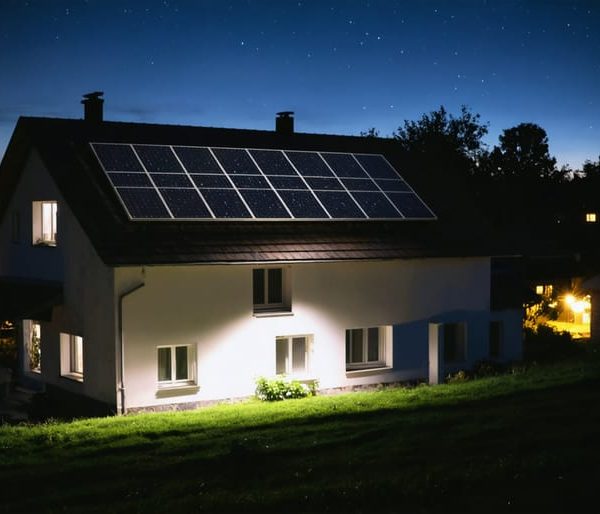
Solar-Powered Buildings That Pay For Themselves: The BIPV Revolution
Building-integrated photovoltaics (BIPV) represent a revolutionary shift in how we power our critical infrastructure while maintaining architectural beauty. Unlike traditional solar panels mounted on rooftops, BIPV seamlessly integrates solar technology directly into building materials – from windows and façades to roofing tiles – transforming ordinary construction elements into power-generating assets.
This innovative approach delivers dual benefits: clean energy generation and sophisticated building aesthetics. Property owners can now generate sustainable power without compromising their building’s visual appeal, while architects gain a powerful tool to meet both environmental requirements and design aspirations. Recent advancements have made BIPV more efficient and cost-effective than ever, with some systems achieving payback periods as short as 5-7 years while increasing property values by up to 15%.
Whether you’re planning a new construction project or retrofitting an existing building, BIPV offers a forward-thinking solution that merges sustainability with architectural excellence. The technology has evolved to include options for every building type, from residential homes to commercial skyscrapers, making clean energy generation an integral part of modern construction rather than an afterthought.
What Makes BIPV Different from Traditional Solar Panels
Seamless Integration with Building Materials
BIPV systems revolutionize traditional construction by seamlessly replacing standard building materials with power-generating alternatives. Instead of adding solar panels as an afterthought, these systems integrate directly into your roof tiles, windows, facades, or skylights. Think of it as giving your building materials a dual purpose – they protect your building while silently generating clean energy.
For example, solar roof tiles look and function just like regular tiles but contain photovoltaic cells. Similarly, photovoltaic glass can replace conventional windows while filtering sunlight and producing electricity. These materials maintain the aesthetic appeal of your building while adding sustainable functionality.
The integration process is remarkably straightforward. During construction or renovation, BIPV materials are installed exactly like their conventional counterparts. This means no additional mounting systems or structural modifications are typically needed. The result is a clean, modern look that appeals to architects and property owners alike.
Another advantage is space efficiency – since these materials serve multiple purposes, you don’t need to dedicate extra space for separate solar installations. This makes BIPV particularly valuable in urban environments where space comes at a premium.

Aesthetic Appeal and Design Flexibility
Building-integrated photovoltaics (BIPV) have revolutionized the way we think about solar power aesthetics. Unlike traditional solar panels that sit conspicuously on rooftops, BIPV systems seamlessly blend into a building’s architecture, creating a sophisticated and modern appearance. These systems come in various colors, textures, and transparency levels, allowing architects and designers to maintain their creative vision while incorporating sustainable energy solutions.
Property owners can choose from an array of options, including solar glass windows that filter natural light while generating power, decorative solar tiles that mimic traditional roofing materials, and even colorful solar facades that transform buildings into contemporary architectural statements. The flexibility in design extends to curved surfaces and unique architectural features, making BIPV suitable for both new construction and renovation projects.
The visual integration is so complete that often, observers can’t distinguish the solar elements from regular building materials. This aesthetic advantage has made BIPV particularly popular in urban environments where appearance matters as much as functionality, proving that sustainable technology can enhance rather than compromise architectural beauty.
Supporting Critical Infrastructure with BIPV

Healthcare Facilities
Healthcare facilities require unwavering access to electricity, making building-integrated photovoltaics (BIPV) an ideal solution for medical centers and hospitals. By incorporating solar panels directly into building materials, these facilities can maintain a continuous power supply even during grid outages.
Modern hospitals are implementing BIPV systems in innovative ways, such as solar windows in patient rooms and photovoltaic roof tiles in newly constructed wings. These installations not only generate clean energy but also help reduce operational costs, allowing healthcare providers to redirect funds toward patient care and medical equipment.
The seamless integration of solar technology means that critical medical equipment, emergency lighting, and climate control systems remain operational during power disruptions. Many facilities combine BIPV with battery storage systems to ensure round-the-clock reliability, particularly for intensive care units and operating rooms where power interruptions could be life-threatening.
Success stories include hospitals that have achieved up to 40% energy independence through BIPV, demonstrating both environmental responsibility and practical resilience in healthcare infrastructure.
Emergency Response Centers
Building-integrated photovoltaics play a crucial role in modern emergency response centers, providing reliable emergency power systems when traditional grid power fails. These facilities integrate solar panels seamlessly into their architecture, ensuring continuous power supply during natural disasters and emergencies while maintaining their aesthetic appeal.
The integration of BIPV in emergency facilities offers multiple advantages. First, it reduces dependency on diesel generators, providing a cleaner and more sustainable backup power solution. Second, the dual functionality of these installations – serving as both building elements and power generators – maximizes space utilization in often crowded urban emergency centers.
Recent installations have shown that BIPV-equipped emergency response centers can maintain critical operations during extended power outages. For example, several facilities in hurricane-prone regions have successfully powered essential equipment, communication systems, and medical devices using their integrated solar systems. This self-sufficiency has proven invaluable during large-scale emergencies when traditional power infrastructure may be compromised for extended periods.
Data Centers and Communication Hubs
Data centers and communication hubs require uninterrupted power supply to maintain critical operations, making them perfect candidates for building-integrated photovoltaics (BIPV). By incorporating solar technology directly into the building’s structure, these facilities can generate their own clean energy while reducing dependency on the grid.
Modern data centers consume massive amounts of electricity, not just for running servers but also for cooling systems. BIPV solutions can offset a significant portion of this energy demand by utilizing otherwise unused building surfaces. Roof panels, solar windows, and even solar-integrated facades can work together to create a comprehensive power generation system.
What makes BIPV particularly attractive for data centers is its dual functionality. While generating power, these installations also help regulate building temperature, reducing cooling costs. For instance, solar glass installations can filter harmful UV rays while generating electricity, creating a more energy-efficient environment.
Many leading tech companies have already embraced this technology in their facilities. These installations typically pay for themselves within 5-7 years through reduced energy costs and increased property value. Plus, with battery storage systems becoming more affordable, data centers can store excess solar power for use during peak demand or cloudy days.
The reliability of BIPV systems, combined with traditional backup power solutions, creates a robust energy infrastructure that helps ensure constant uptime – a critical requirement for any data center operation.
Installation and Maintenance Considerations
Professional Requirements
Installing building-integrated photovoltaics requires specific expertise and certifications to ensure safety, reliability, and optimal performance. Professional installers must hold current electrical licenses and complete specialized BIPV training programs approved by recognized industry bodies.
Key certifications include the North American Board of Certified Energy Practitioners (NABCEP) PV Installation Professional certification, which demonstrates comprehensive knowledge of solar photovoltaic systems. Additionally, installers should possess relevant construction and roofing credentials, particularly for projects involving building envelope modifications.
Property owners should verify that their chosen installers have:
– Valid state electrical licenses
– OSHA safety certifications
– Manufacturer-specific training for BIPV products
– General liability insurance
– Worker’s compensation coverage
– Local building permits and certifications
Most reputable installers also maintain memberships in professional organizations like the Solar Energy Industries Association (SEIA) and participate in ongoing education programs to stay current with evolving technologies and installation methods.
For commercial installations, project teams often require architects and structural engineers with BIPV experience to ensure proper integration with building systems. These professionals should have experience with local building codes and energy regulations to facilitate smooth permitting processes.
Remember that proper installation is crucial for system longevity and warranty validation, making professional qualifications non-negotiable for BIPV projects.
Long-term Care and Monitoring
To maintain your building-integrated photovoltaics (BIPV) system at peak performance, regular monitoring and maintenance are essential. Start by establishing a quarterly inspection routine to check for dust, debris, or shade from growing vegetation that might affect panel efficiency. Clean panels gently with specialized solar cleaning solutions and soft brushes to avoid scratching the surface.
Monitor your system’s performance through its built-in monitoring software, which tracks energy production and alerts you to potential issues. Keep detailed records of energy output to identify any unexpected drops in efficiency that might indicate problems requiring attention.
Annual professional inspections are recommended to examine electrical connections, mounting systems, and weatherproofing elements. These check-ups help prevent water infiltration and ensure all components remain securely integrated with your building’s structure.
Watch for signs of wear on seals and flashings around BIPV installations, particularly after severe weather events. Address any issues promptly to protect both the solar components and your building’s envelope. Most BIPV systems have a lifespan of 25-30 years, but proper maintenance can extend their operational life and maintain optimal performance.
Consider scheduling maintenance during early morning or evening hours to minimize energy production disruption. Many property owners find it helpful to create a maintenance calendar that aligns with other building upkeep tasks for efficient facility management.
Cost-Benefit Analysis
Initial Investment vs. Long-term Savings
While solar system installation costs for building-integrated photovoltaics (BIPV) may initially seem higher than traditional solar panels, the long-term benefits often outweigh the upfront investment. Typically, BIPV systems cost between $15-25 per square foot, depending on the type of integration and materials chosen.
However, these systems offer multiple cost advantages. First, they replace conventional building materials, reducing overall construction costs. For example, BIPV roof tiles eliminate the need for traditional roofing materials, effectively offsetting a portion of the initial expense.
The energy savings are substantial over time. Most BIPV systems pay for themselves within 7-10 years through reduced electricity bills, with savings continuing for the system’s 25-30 year lifespan. A typical commercial building can save $3,000-5,000 annually on energy costs.
Additional financial benefits include:
– Government incentives and tax credits
– Increased property value (typically 4-6%)
– Reduced maintenance costs compared to separate solar installations
– Lower carbon tax payments in applicable regions
Many property owners report breaking even faster than expected due to rising energy costs and improved system efficiency. Some commercial buildings have achieved complete return on investment in as little as 5 years, particularly in regions with high electricity rates or strong solar incentive programs.

Available Incentives and Rebates
Making the switch to building-integrated photovoltaics (BIPV) is more affordable than ever, thanks to numerous government incentives and rebate programs. The Federal Investment Tax Credit (ITC) remains one of the most significant benefits, allowing property owners to deduct 30% of their BIPV installation costs from their federal taxes through 2032.
Many states offer additional tax incentives and rebates. For instance, California’s Self-Generation Incentive Program (SGIP) provides substantial rebates for installing solar technology, while New York’s NY-Sun program offers direct financial incentives based on system size and location.
Commercial property owners can benefit from accelerated depreciation through the Modified Accelerated Cost Recovery System (MACRS), allowing them to recover their BIPV investment through tax deductions over five years. Local utilities often provide performance-based incentives, paying building owners for the excess energy their BIPV systems generate.
Some municipalities offer property tax exemptions for BIPV installations, meaning your property taxes won’t increase despite the added value to your building. Many states also have Solar Renewable Energy Certificate (SREC) programs, allowing you to earn additional income by selling environmental credits generated by your system.
Remember to check with local authorities and energy consultants, as available incentives vary by location and can change periodically. Many installers can help navigate the application process and maximize your eligible benefits.
Building-integrated photovoltaics represent a groundbreaking shift in how we approach sustainable architecture and energy independence. As we’ve explored throughout this article, BIPV systems offer multiple advantages that extend far beyond traditional solar installations. They seamlessly blend form and function, transforming buildings from energy consumers into power generators while maintaining aesthetic appeal.
The future of BIPV in critical infrastructure looks increasingly promising. As technology advances and costs continue to decrease, we’re seeing more innovative applications in hospitals, data centers, and emergency response facilities. These installations not only provide reliable power but also contribute to grid resilience and energy security.
Property owners who have embraced BIPV report significant reductions in energy costs, with many achieving partial or complete energy independence. The dual functionality of BIPV materials – serving as both building elements and power generators – makes them particularly cost-effective in new construction projects.
Looking ahead, experts predict that BIPV will become a standard feature in sustainable building design. Improvements in efficiency, durability, and installation methods are making these systems more accessible than ever. With growing concerns about climate change and energy security, BIPV offers a practical solution that aligns with both environmental responsibilities and operational needs.
For those considering BIPV implementation, the time to act is now. Government incentives, improving technology, and increasing market competition are creating favorable conditions for adoption. By investing in BIPV today, building owners can position themselves at the forefront of sustainable architecture while ensuring reliable power generation for years to come.