

V-Grid Systems: The Solar Power Solution That’s Revolutionizing Home Energy
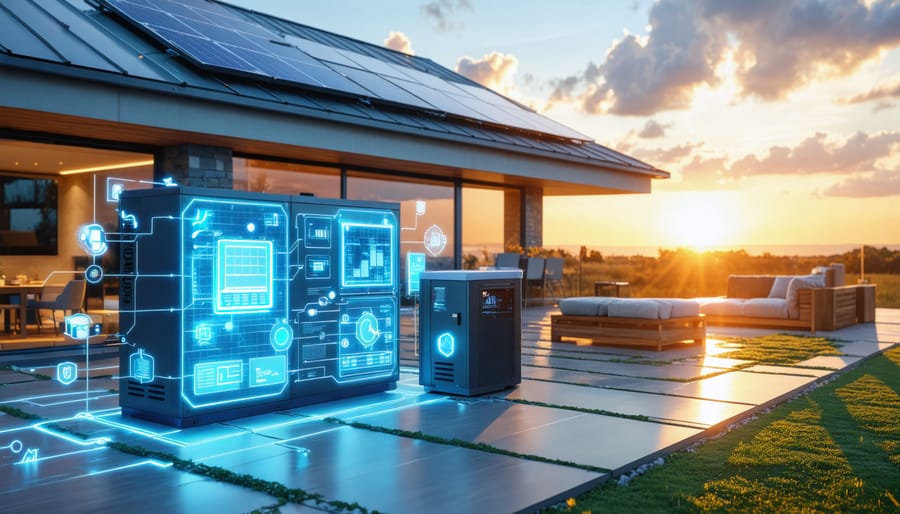
Transform your home’s energy landscape with V-grid systems – the intelligent bridge between traditional power grids and renewable energy sources. These innovative systems seamlessly integrate solar panels, smart batteries, and advanced monitoring technology to maximize energy independence while maintaining reliable grid connection. Beyond simply reducing utility bills, V-grid installations deliver zero-energy home benefits through sophisticated load management and real-time optimization.
Unlike conventional grid-tied systems, V-grid technology adapts to your energy consumption patterns, automatically switching between self-generated power and grid electricity to ensure optimal efficiency. This flexibility not only protects against power outages but also enables homeowners to participate in energy markets, selling excess power back to utilities when prices peak.
For property owners ready to embrace energy independence without compromising reliability, V-grid systems represent the perfect balance of innovation and practicality in modern power management.
How V-Grid Systems Transform Home Solar Power
The Core Components
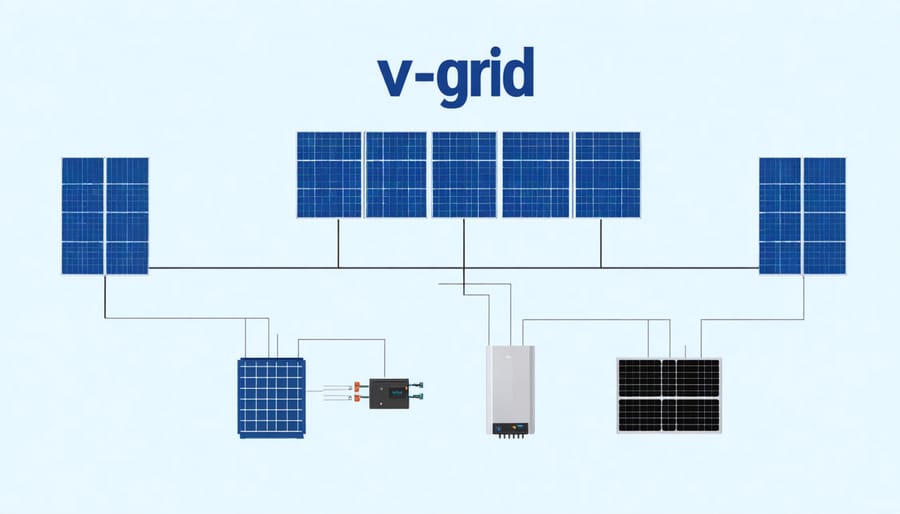
A v-grid energy system consists of several key components working together seamlessly to provide reliable and sustainable power. At its heart lies the solar panel array, which captures sunlight and converts it into electrical energy. These panels are typically installed on rooftops or open spaces with maximum sun exposure.
The next crucial component is the battery storage system, which stores excess energy for use during nighttime or cloudy days. Modern lithium-ion batteries offer excellent efficiency and longer lifespans compared to traditional options, making them the preferred choice for most installations.
The inverter serves as the system’s brain, converting DC power from solar panels and batteries into AC power that your home can use. Smart inverters also manage power flow and communicate with other system components to optimize energy usage.
A charge controller protects your batteries by regulating charging and discharging cycles, ensuring they operate within safe parameters and maximizing their lifespan. The system monitor displays real-time data about energy production, consumption, and storage levels, helping you track performance and make informed decisions about your energy use.
Finally, the automatic transfer switch seamlessly transitions between different power sources, ensuring uninterrupted power supply. This component is particularly important during grid outages or when switching between stored and generated power.
All these components are connected through a sophisticated wiring system and protected by safety equipment like circuit breakers and surge protectors.
Smart Integration Features
V-grid energy systems excel at seamlessly integrating with your existing power infrastructure, making the transition to renewable energy smoother than ever. These smart systems act as a bridge between your home’s power needs and various energy sources, including solar panels, battery storage, and the traditional power grid.
The integration process begins with a smart controller that monitors your energy usage patterns and automatically switches between different power sources to maximize efficiency and energy cost savings. During peak sunlight hours, the system prioritizes solar power, storing excess energy in batteries for later use. When solar production decreases, the system smoothly transitions to stored battery power before tapping into the grid.
What makes v-grid systems truly intelligent is their ability to communicate with your utility provider’s network. This two-way communication enables features like demand response, where your system can automatically adjust energy usage based on grid conditions and electricity rates. For example, during high-demand periods, your system might switch to battery power to reduce grid strain and avoid peak pricing.
The system also includes built-in safety features that ensure proper isolation from the grid during power outages, protecting both your home and utility workers while maintaining power to essential circuits through your stored energy.

Navigating Regulatory Requirements
Local Permits and Approvals
Before installing your v-grid energy system, you’ll need to secure the proper permits and approvals from your local authorities. Start by contacting your city or county planning department to understand specific requirements for renewable energy installations. Most jurisdictions require electrical permits, building permits, and sometimes special solar or battery storage permits.
Work with a licensed contractor who’s familiar with local codes and regulations. They can help navigate the permitting process and ensure your installation meets all safety standards. Your contractor should submit detailed system plans, including electrical diagrams and structural calculations, to the relevant authorities.
Many areas also require approval from your utility company before connecting a v-grid system to the power grid. They’ll review your system’s specifications to ensure it meets interconnection requirements and doesn’t pose risks to the grid infrastructure.
Homeowners associations (HOAs) may have additional requirements or restrictions. Review your HOA guidelines and obtain necessary approvals before proceeding with installation. Some states have “solar rights laws” that limit HOAs from prohibiting solar installations, but specific aesthetic requirements may still apply.
Remember that permit processing times vary by location, so factor this into your project timeline.
Utility Company Coordination
Working with your local utility company is a crucial step in setting up your v-grid energy system. Start by contacting your utility provider’s renewable energy department to understand their specific requirements and interconnection standards. Most companies have dedicated teams to help customers integrate solar and storage systems with the existing grid.
Request an interconnection application package and carefully review all documentation requirements. You’ll typically need to submit detailed system specifications, including equipment certifications and single-line diagrams. Many utilities also require a professional inspection before final approval.
Be prepared to install a bi-directional meter that can measure both energy consumption and any excess power you send back to the grid. Your utility company will explain their net metering policies and any available incentives or rebates for renewable energy systems.
During the approval process, maintain open communication with your utility representative. They can guide you through any technical requirements or necessary system modifications. Remember that approval timelines vary by region and utility company, so factor this into your project schedule. Most installations receive approval within 4-8 weeks after submitting complete documentation.
Real Benefits and Cost Savings
V-grid energy systems offer compelling financial and practical benefits that make them an attractive investment for both homeowners and businesses. When considering solar panel cost considerations, the initial investment is quickly offset by substantial long-term savings.
Most users report a 40-60% reduction in their monthly energy bills after installing a v-grid system. This translates to average annual savings of $1,200-$1,800 for typical residential installations. Commercial properties often see even greater returns, with some businesses cutting their energy costs by up to 75%.
Beyond direct cost savings, v-grid systems provide valuable energy independence. During power outages, your property maintains essential operations, preventing business disruptions or household inconveniences. This reliability factor is particularly valuable in areas prone to severe weather or grid instability.
Many states offer tax incentives and rebates for v-grid installations, further improving the return on investment. Combined with federal tax credits, these incentives can reduce initial costs by 30-50%. Additionally, properties with v-grid systems typically see increased market value, with studies showing a 4-6% boost in resale value.
The systems also require minimal maintenance, with most components designed to last 20-25 years. This long lifespan, coupled with manufacturer warranties and declining installation costs, makes v-grid technology an increasingly accessible option for sustainable energy management.
V-grid energy systems represent a significant step forward in sustainable home energy management. By combining solar power, battery storage, and smart grid integration, these systems offer homeowners a reliable path to energy independence while contributing to a greener future. As we’ve explored, the benefits include reduced electricity bills, increased property value, and enhanced energy security during outages.
Ready to take the next step? Start by consulting a certified v-grid installer for a property assessment. They can help determine your energy needs, available solar potential, and optimal system configuration. Remember to research local incentives and regulations, as many jurisdictions offer tax breaks and rebates for renewable energy installations. With proper planning and professional guidance, you can join the growing community of homeowners embracing this innovative energy solution while making a positive environmental impact.


