

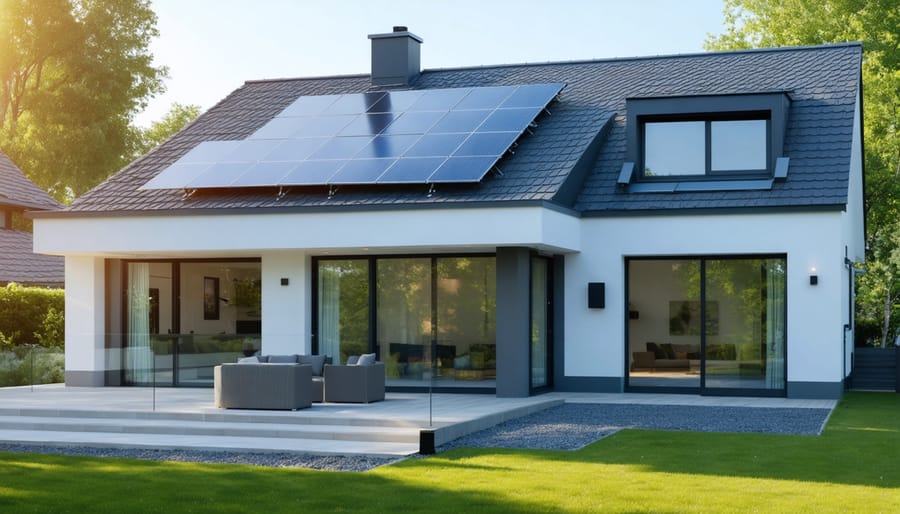
Solar Battery Integration That Makes Retrofitting Worth Every Penny
Transform your existing power infrastructure into an intelligent energy ecosystem with integrated solar applications – the future of sustainable living is already here. Solar hybrid retrofit kits are revolutionizing how we think about home energy management, seamlessly combining solar power generation with smart storage solutions and automated controls.
Imagine your home as a self-sustaining power plant, where every ray of sunshine is captured, stored, and intelligently distributed exactly when you need it. Modern integrated solar systems don’t just generate electricity – they create a dynamic energy ecosystem that adapts to your usage patterns, weather conditions, and utility rates in real-time.
For homeowners and property managers looking to maximize their energy independence, integrated solar applications represent the perfect fusion of proven solar technology with cutting-edge smart home features. These systems not only reduce electricity bills but also provide backup power during outages, increase property value, and contribute to a cleaner environment – all while requiring minimal maintenance and offering unprecedented control through user-friendly mobile apps.
Whether you’re upgrading an existing solar installation or starting from scratch, today’s integrated solutions offer a clear path to energy independence that’s both practical and forward-thinking.
Why Retrofit Your Existing Solar System with Battery Storage?
Energy Independence and Backup Power
Integrating battery storage with your solar system transforms your home into a self-sustaining power hub, significantly reducing your dependence on the traditional power grid. When the sun is shining, your panels generate electricity that not only powers your home but also charges your battery system for later use. This stored energy becomes your reliable backup during power outages, ensuring your essential appliances keep running when grid power fails.
Modern battery systems are smart enough to automatically switch to stored power during outages, providing seamless transitions that protect your electronics and maintain your comfort. Many homeowners report feeling more secure knowing they have a reliable power source during extreme weather events or grid failures.
The combination of solar panels and battery storage also helps you maximize energy independence by using stored power during peak rate periods, when grid electricity is most expensive. This strategic use of stored energy can lead to even greater savings on your utility bills while reducing strain on the power grid during high-demand periods. With proper sizing and integration, many households can achieve up to 80% energy independence, using grid power only as a backup option.
Maximizing Solar Investment Returns
Investing in integrated solar applications can significantly slash your energy bills while providing impressive returns on investment. Most homeowners see a complete return on their initial investment within 5-8 years, depending on local energy costs and available incentives.
The financial benefits extend beyond immediate energy savings. Many states offer tax credits, rebates, and solar renewable energy certificates (SRECs) that can offset installation costs. Additionally, solar installations typically increase property values by 4-6%, making them an attractive long-term investment.
Smart monitoring systems help maximize these returns by optimizing energy consumption patterns. By tracking usage in real-time, homeowners can adjust their habits to utilize solar power during peak production hours. Many users report saving 70-90% on their monthly energy bills after installation.
Battery storage integration further enhances savings by storing excess energy for use during non-peak hours or cloudy days. This reduces reliance on grid power when rates are highest, creating additional cost benefits for savvy solar adopters.
Compatible Battery Solutions for Retrofitted Systems
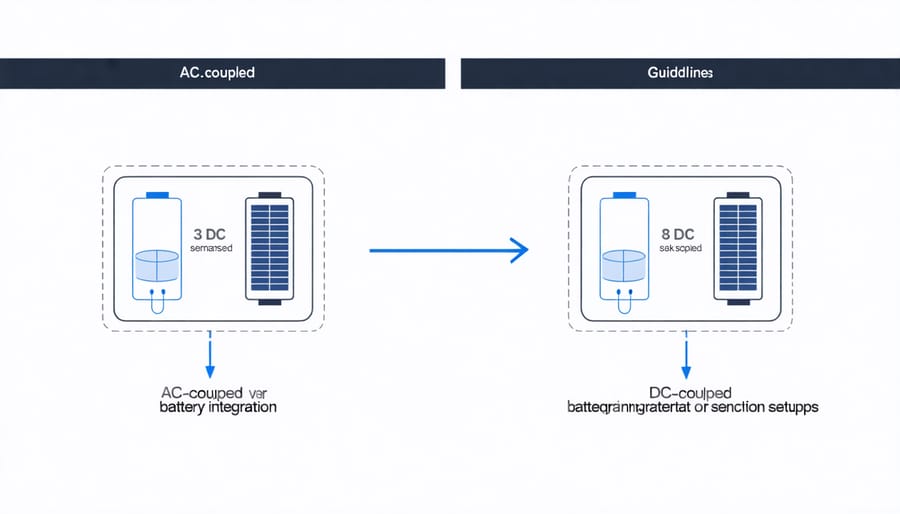
AC-Coupled vs. DC-Coupled Solutions
When choosing between AC-coupled and DC-coupled solar solutions, homeowners should consider their specific energy needs and existing setup. AC-coupled systems are popular in retrofitted installations because they can easily integrate with existing solar panels. They work by converting solar DC power to AC, then back to DC for battery storage. While this double conversion might slightly reduce efficiency, it offers great flexibility for off-grid solar system design and upgrades.
DC-coupled solutions, on the other hand, maintain power in DC form throughout the system, requiring only one conversion when feeding power to your home. This approach typically achieves higher overall efficiency and works particularly well in new installations where all components are designed to work together from the start.
For most homeowners adding battery storage to existing solar panels, AC-coupling provides a straightforward upgrade path. However, if you’re planning a new installation, DC-coupling might offer better long-term performance. The choice often comes down to factors like existing equipment compatibility, installation costs, and future expansion plans.
Remember that both solutions can effectively meet your energy storage needs – the key is matching the coupling method to your specific situation and goals.
Popular Battery Options and Their Features
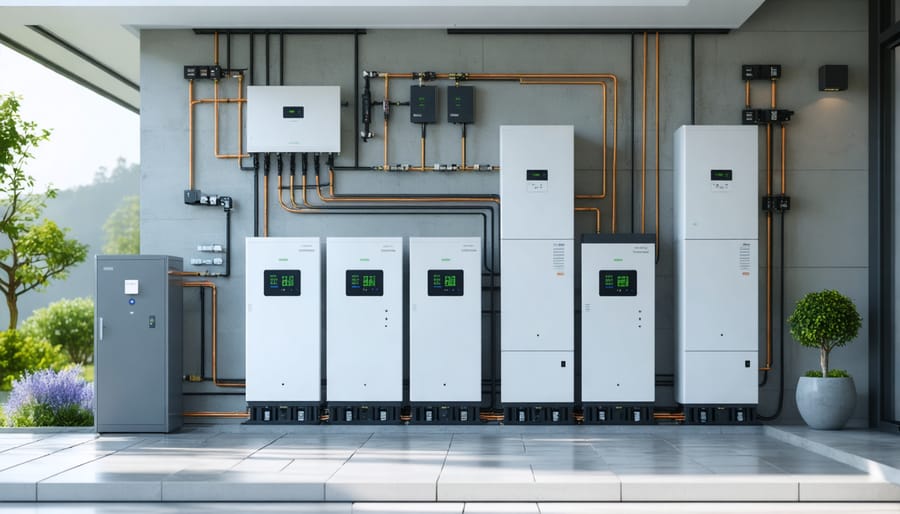
When it comes to storing solar energy, several battery options stand out in today’s market. Lithium-ion batteries are currently the most popular choice, offering an excellent balance of performance and cost. These batteries are compact, efficient, and can last up to 10-15 years with proper maintenance. They’re particularly suited for daily cycling and work well with smart home systems.
LFP (Lithium Iron Phosphate) batteries are gaining traction due to their enhanced safety features and longer lifespan. While slightly larger than traditional lithium-ion batteries, they can withstand more charging cycles and perform better in varying temperatures, making them ideal for outdoor installations.
Lead-acid batteries, though less common in new installations, remain a budget-friendly option. While they require more maintenance and have a shorter lifespan of 5-10 years, they’re reliable and well-understood technology. These batteries work well in basic backup power systems where space isn’t a concern.
Salt-water batteries are emerging as an eco-friendly alternative. They’re non-toxic, highly recyclable, and have a stable performance record. Though currently more expensive, they’re worth considering for environmentally conscious homeowners who prioritize sustainability.
Each battery type comes with its own monitoring system, helping you track performance and maintenance needs. When choosing a battery, consider your daily energy usage, available space, climate conditions, and budget to find the best match for your integrated solar system.
Installation Considerations and Requirements
System Assessment and Planning
Before diving into an integrated solar installation, a thorough assessment of your existing system and careful planning are essential for success. Start by evaluating your current energy consumption patterns through utility bills and energy monitoring devices. This baseline data helps determine the right system size and configuration for your needs.
Next, assess your property’s physical characteristics. Check roof condition, orientation, and available space for solar panels and battery storage. South-facing surfaces typically offer optimal sun exposure in the Northern Hemisphere. Also examine your electrical panel’s capacity and age – older panels may need upgrading to handle the additional power flow.
Consider your local climate and weather patterns, as these factors influence solar panel efficiency and battery storage requirements. Research local building codes, permit requirements, and utility company policies regarding grid connections and net metering.
It’s crucial to evaluate your budget and financing options. While integrated solar systems require upfront investment, various incentives, tax credits, and financing programs can make them more affordable. Create a detailed timeline that accounts for permit processing, equipment delivery, and installation schedules.
Finally, consult with certified solar professionals who can perform a detailed site survey and provide customized recommendations. They can help identify potential challenges and ensure your planned system meets both current needs and future expansion possibilities.
Technical Requirements and Safety Standards
When installing integrated solar applications, adherence to technical requirements and safety standards is crucial for optimal performance and protection. Your system must comply with the National Electrical Code (NEC) requirements, particularly Article 690, which specifically addresses solar photovoltaic systems.
For rooftop installations, your structure must be capable of supporting at least 2.3 pounds per square foot of additional weight. Professional structural assessment is recommended before installation. All solar panels should carry a UL 1703 certification, while inverters must meet UL 1741 standards for grid connection safety.
Proper grounding is essential, requiring copper conductors of at least #8 AWG size. Surge protection devices must be installed on both AC and DC sides of the system. All outdoor components need a minimum IP65 rating for weather resistance.
Temperature considerations are vital – panels should maintain clearance of 4-6 inches from the roof surface for proper ventilation. System voltage must not exceed 600V for residential installations (1000V for commercial applications).
Safety features should include rapid shutdown capabilities, clearly labeled disconnect switches, and proper signage indicating the presence of a solar system. Regular maintenance checks are necessary, with annual professional inspections recommended to ensure continued compliance and optimal performance.
Remember to check local building codes and utility requirements, as these may impose additional specifications beyond national standards.
Smart Integration Features
Energy Management Systems
Modern smart solar solutions now include sophisticated energy management systems that put you in complete control of your power consumption. These intelligent systems monitor your energy production and usage in real-time, helping you make informed decisions about when to use, store, or sell your excess solar power.
With user-friendly mobile apps and intuitive dashboards, you can track your system’s performance, adjust settings, and optimize energy usage patterns from anywhere. The system automatically manages power flow between your solar panels, battery storage, and home appliances, ensuring maximum efficiency and cost savings.
Many energy management systems also feature AI-driven predictive analytics, which learn from your usage patterns and weather forecasts to optimize power distribution. They can automatically shift heavy power consumption to peak solar production hours and preserve battery storage for when you need it most.
These smart controls integrate seamlessly with home automation systems, allowing you to create custom schedules for appliances and even respond to time-of-use electricity rates to maximize your savings.
Remote Monitoring and Control
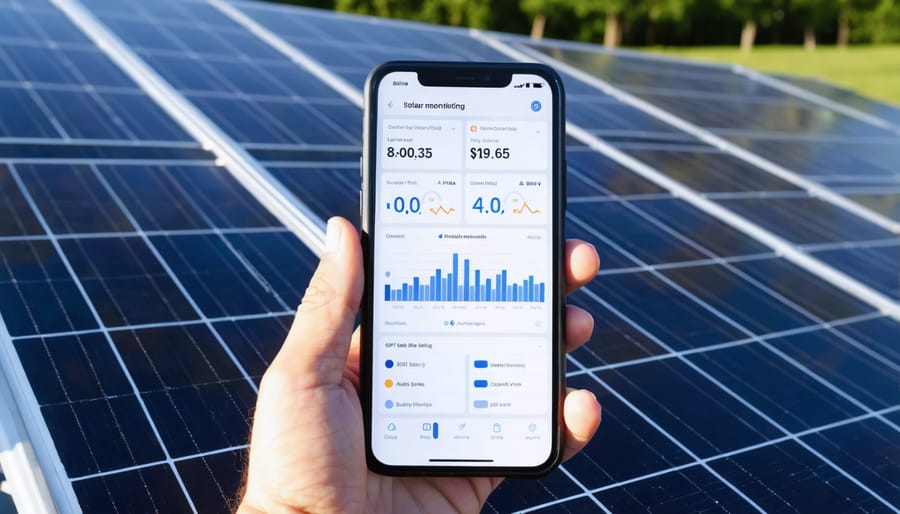
Modern integrated solar systems come equipped with sophisticated remote monitoring and control capabilities, putting the power of energy management right at your fingertips. Through user-friendly smartphone apps or web portals, you can track your system’s performance in real-time, view energy production statistics, and monitor battery charge levels from anywhere with an internet connection.
These smart features allow you to maximize your solar investment by adjusting settings based on usage patterns and weather forecasts. You can receive instant notifications about system performance, potential issues, or maintenance needs, ensuring optimal operation year-round. Many platforms also provide detailed analytics, helping you understand your energy consumption habits and identify opportunities for additional savings.
For property managers overseeing multiple installations, remote monitoring streamlines maintenance and reduces operational costs. The ability to diagnose issues remotely often eliminates the need for on-site visits, while automated reports make it easier to document system performance and ROI.
Security is a top priority, with encrypted connections and multi-factor authentication protecting your system from unauthorized access while maintaining convenient control over your clean energy investment.
The future of sustainable living is here, and integrated solar applications are leading the way. Throughout this guide, we’ve explored how these innovative systems can transform your property into an energy-efficient powerhouse while reducing your carbon footprint and utility costs.
Remember, whether you’re starting with a basic solar panel installation or upgrading to a fully integrated smart system, every step toward solar adoption makes a difference. The benefits are clear: lower energy bills, increased property value, and a significant reduction in environmental impact. With modern technology making these systems more accessible and efficient than ever, there’s never been a better time to embrace solar integration.
Take action today by assessing your property’s solar potential and consulting with qualified installers. Start small if needed – even basic solar applications can provide substantial benefits and can be expanded over time. Consider your long-term goals, budget, and energy needs when planning your solar integration strategy.
By joining the growing community of solar adopters, you’re not just investing in your property – you’re investing in our planet’s future. The technology is proven, the benefits are real, and the support systems are in place. Make the switch to integrated solar applications and become part of the renewable energy revolution.
Let’s power a brighter, cleaner future together.


