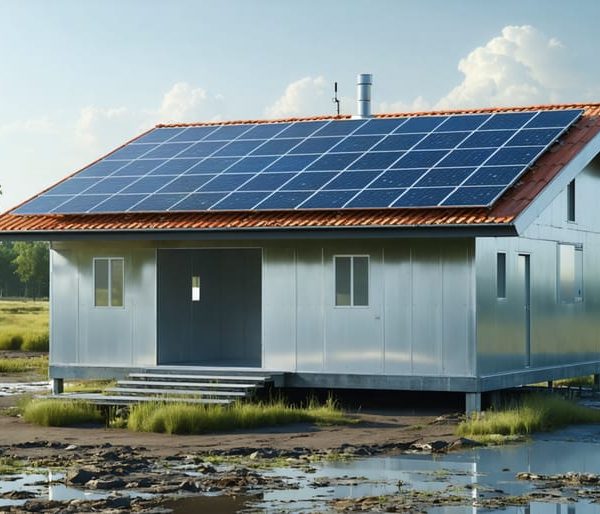
Solar Grid Resilience Grants Make Your Home Disaster-Proof
Transform your home’s energy security with grid resilience grants – federal and state funding programs designed to help homeowners survive grid failures and natural disasters. These grants, ranging from $2,500 to $25,000, enable homeowners to install solar panels, battery storage systems, and smart grid technologies without bearing the full financial burden.
The Department of Energy’s Grid Resilience Grant Program currently offers matching funds up to 50% for qualifying residential solar installations, while state-level incentives can cover an additional 10-30% of project costs. Combined with federal tax credits, these grants make grid independence accessible to average homeowners looking to secure their energy future.
Recent data shows that homes with resilient power systems maintain critical operations 97% longer during outages than traditional grid-dependent properties. Whether you’re protecting against extreme weather events or preparing for long-term energy security, grid resilience grants provide the financial bridge between vulnerability and true energy independence.
Apply now – most programs operate on a first-come, first-served basis, with funding cycles typically opening each spring and fall.
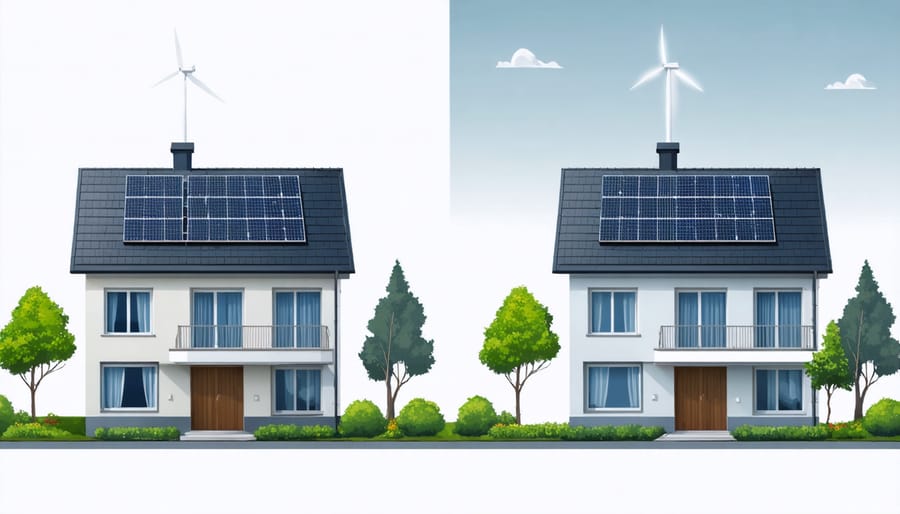
Understanding Grid Resilience Grants for Solar
Federal Solar Grant Programs
The federal government offers several substantial grant programs to support solar energy adoption and grid resilience initiatives. The Solar Energy Technologies Office (SETO) provides funding opportunities ranging from $5,000 to $100,000 for residential installations, with higher amounts available for commercial properties.
To qualify for these grants, applicants typically need to demonstrate how their solar installation will contribute to grid stability and emergency preparedness. Key eligibility requirements include:
– Property ownership or long-term lease agreement
– Professional energy audit completion
– Commitment to maintaining the system for at least 5 years
– Installation by certified contractors
The Department of Energy’s Grid Resilience Grant Program specifically targets projects that enhance power grid reliability. This program offers matching funds up to 50% of project costs for qualifying installations that include battery storage systems and smart grid technology.
Applications are accepted quarterly, with deadlines in March, June, September, and December. The review process usually takes 60-90 days, and successful applicants receive funding within 120 days of approval. Homeowners can work with local solar installers to prepare complete application packages that meet all federal requirements.
Remember to check for additional state-specific incentives that can be combined with federal grants to maximize your savings.
State and Local Grant Options
Beyond federal funding, many states and local governments offer their own solar resilience grant programs to help communities strengthen their power infrastructure. California’s Self-Generation Incentive Program (SGIP) provides substantial rebates for solar battery storage systems, particularly in high-risk fire areas. New York’s NY-Sun program offers enhanced incentives for adding battery backup to solar installations, with additional benefits for low-income residents.
Massachusetts residents can access the ConnectedSolutions program, which provides performance-based incentives for using battery storage during peak demand periods. Florida’s solar resilience initiatives focus on critical facilities and emergency shelters, but some counties extend grants to residential properties in hurricane-prone areas.
Check with your state’s energy office or local utility company for region-specific opportunities. Many utilities offer additional rebates or participation in virtual power plant programs that can offset installation costs. Local governments frequently introduce new incentives, especially after natural disasters, so it’s worth monitoring your area’s energy assistance programs regularly.
Keep in mind that these programs often have limited funding and specific enrollment periods, so acting quickly when opportunities arise is essential.
Building Your Disaster-Ready Solar System
Core Components for Disaster Resilience
To successfully build a reliable off-grid system, several essential components work together to ensure continuous power during grid outages. The foundation of any resilient system starts with high-quality solar panels, which capture and convert sunlight into usable electricity. These panels should be rated for your specific climate and mounted securely to withstand severe weather conditions.
A robust battery bank forms the heart of your backup power system. Modern lithium-ion batteries offer excellent storage capacity and longer lifespans compared to traditional lead-acid alternatives. For most residential applications, a minimum storage capacity of 10-15 kWh is recommended to power essential appliances during extended outages.
Your system needs a reliable inverter to convert DC power from solar panels and batteries into AC power for your home appliances. Look for hybrid inverters that can manage both solar input and battery charging while providing seamless switching between grid and off-grid operation.
Charge controllers protect your batteries from overcharging and help optimize power flow throughout the system. Smart controllers with remote monitoring capabilities allow you to track system performance and receive alerts about potential issues.
Don’t forget the importance of proper protection equipment: surge protectors, circuit breakers, and disconnect switches safeguard your investment and ensure safe operation. Additionally, a backup generator can provide an extra layer of security during extended periods of low solar production.
Remember to include proper mounting hardware, weather-resistant enclosures, and professional-grade wiring to ensure your system remains operational when you need it most.
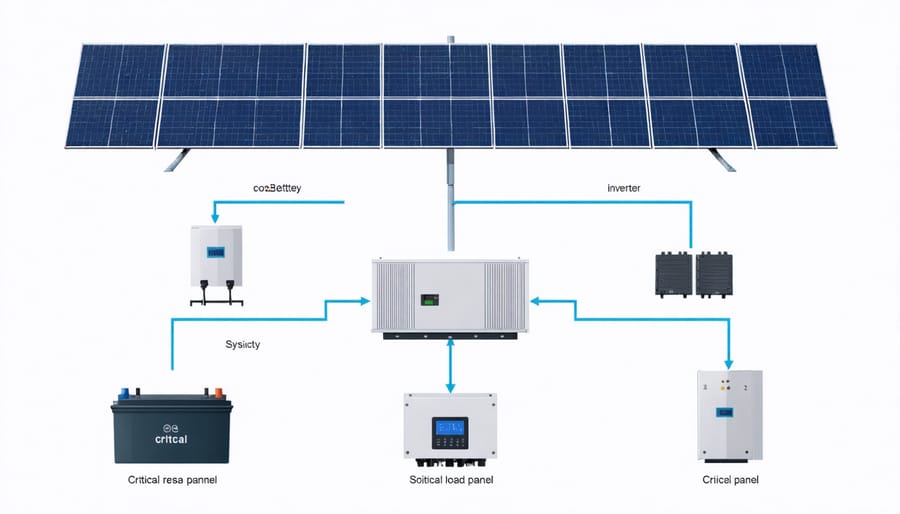
Storage Solutions for Extended Outages
When planning for extended power outages, choosing the right battery backup systems is crucial for maintaining essential operations. The key is to accurately assess your power needs before making any decisions. Start by listing critical appliances and their power consumption – think refrigerators, medical equipment, and basic lighting.
For most homes, a battery system ranging from 10-15 kWh provides adequate backup for essential loads during short-term outages. However, if you’re aiming for complete energy independence during longer blackouts, consider scaling up to 20-30 kWh. Lithium-ion batteries are increasingly popular due to their longer lifespan, better depth of discharge, and minimal maintenance requirements.
Remember to factor in your solar panel capacity when sizing your battery storage. A good rule of thumb is to have enough battery capacity to store 1.5 times your daily solar production. This ensures you can bank excess energy for cloudy days or nighttime use.
Installation costs typically range from $8,000 to $15,000 for a basic setup, but grid resilience grants can significantly offset these expenses. Many homeowners find that combining battery storage with smart energy management systems helps optimize power usage during outages. These systems automatically prioritize critical loads and can extend battery life by up to 30%.
Consider future-proofing your system by choosing a modular battery solution that allows for easy expansion. This approach provides flexibility to grow your storage capacity as your energy needs change or as battery prices continue to decrease.
Maximizing Your Grant Application Success
Documentation Requirements
Preparing your grant application requires careful attention to detail and thorough documentation. Start by gathering your property ownership records and recent utility bills to establish your baseline energy usage. You’ll need to provide a detailed site assessment, including your roof’s orientation, shading analysis, and current electrical system specifications.
Next, create a comprehensive project proposal that outlines your planned resilience improvements. This should include detailed quotes from certified contractors, equipment specifications, and projected energy savings. Remember to factor in all cost considerations when preparing your budget breakdown.
Essential documents typically include:
– Proof of property ownership or lease agreement
– Recent energy bills (previous 12 months)
– Professional site assessment report
– Detailed project timeline
– Contractor credentials and insurance certificates
– Equipment specifications and warranties
– Cost breakdown and financial projections
– Local permit applications
– Utility interconnection agreements
Consider working with a grant writing professional or energy consultant to ensure your application meets all requirements. Many successful applicants also include letters of support from local community organizations and documentation of any previous energy efficiency improvements.
Keep digital copies of all documents and create a checklist to track your application progress. Most grant programs require ongoing monitoring and reporting, so establish a system to maintain records of your energy usage and system performance after installation.
Common Application Mistakes to Avoid
When applying for grid resilience grants, avoiding common pitfalls can significantly improve your chances of approval. First, don’t rush through the budget section – many applications are rejected due to unrealistic cost estimates or missing expense categories. Take time to research current market prices and include all components, from equipment to installation labor.
Another frequent mistake is submitting incomplete documentation. Always double-check that you’ve included all required permits, technical specifications, and supporting documents. Many applicants overlook the importance of providing detailed site assessments or forget to include letters of support from relevant stakeholders.
Vague project timelines can also hurt your application. Create a clear, realistic schedule that accounts for potential delays in equipment delivery, installation, and inspection processes. Be specific about project milestones and demonstrate that you’ve considered potential challenges.
Poor project justification is another common issue. Don’t assume reviewers understand your local grid vulnerabilities – provide concrete data about outage history, weather patterns, or other relevant risks. Explain how your project specifically addresses these challenges.
Lastly, avoid technical errors in the submission process. Many applications are disqualified due to missing signatures, incorrect file formats, or submission after deadlines. Create a checklist of requirements and review everything thoroughly before submitting. Consider having a third party review your application for completeness and clarity.
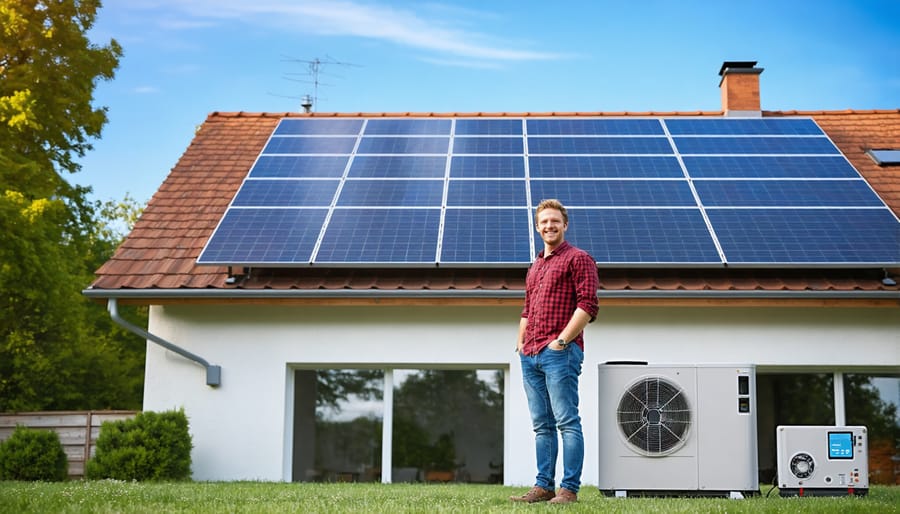
Real Success Stories
Meet Sarah Thompson from Colorado, who transformed her mountain home into a resilient power hub using a grid resilience grant. After experiencing frequent winter power outages, Sarah secured a $25,000 grant to install a 10kW solar system with battery backup. “The application process was straightforward, and the results have been life-changing,” she shares. During the severe snowstorm of 2022, while her neighbors were without power for five days, Sarah’s home maintained essential operations seamlessly.
In Florida, the Martinez family leveraged a $30,000 grant to install a comprehensive solar-plus-storage system. Their investment proved invaluable during Hurricane Ian, keeping their medical equipment running and helping neighbors charge essential devices. “We became a community resource center during the crisis,” explains Carlos Martinez. “The grant made it possible for us to help others while staying powered ourselves.”
Commercial success stories are equally impressive. The Green Valley Community Center in Arizona received a $100,000 grant to create a neighborhood resilience hub. Their solar installation now powers essential services during grid outages, including cooling stations and emergency communications. The center reports annual energy savings of $15,000, which they reinvest in community programs.
Small business owner Jennifer Chen in California combined a $40,000 grid resilience grant with local tax incentives to install a solar system at her grocery store. During the 2023 wildfire season, when planned power shutoffs affected her area, her store remained operational. “We prevented thousands in inventory losses and served as a community resource. The grant literally saved my business,” Chen reports.
The Wilson family in Texas used a $35,000 grant to install a solar system with smart energy management features. During the unprecedented winter storm of 2021, they maintained power while the grid failed statewide. “The system paid for itself in that single week,” says Mike Wilson. “Now we help educate other homeowners about grant opportunities and system benefits.”
These success stories share common themes: simplified application processes, significant cost savings, and enhanced community resilience. Grant recipients consistently report satisfaction with both the installation process and long-term benefits, proving that grid resilience grants are making sustainable energy solutions accessible to diverse communities across America.
Grid resilience grants represent a vital opportunity for homeowners and businesses to strengthen their energy independence while contributing to a more sustainable future. By taking advantage of these funding opportunities, you can transform your property into a resilient haven that stands strong during power outages while reducing your carbon footprint and energy costs.
Remember that successful grant applications require careful planning and attention to detail. Take time to thoroughly research available programs in your area, gather necessary documentation, and consider partnering with experienced solar installers who understand local requirements and specifications.
The benefits of investing in grid resilience extend far beyond individual properties. Each installation contributes to a more robust and sustainable energy network, helping communities better withstand natural disasters and reduce strain on the traditional power grid.
Don’t let this opportunity pass you by. Start your journey toward energy independence today by exploring available grants in your region. Contact your local energy office, reach out to solar installation professionals, and connect with others who have successfully navigated the grant process. With proper planning and determination, you can secure the funding needed to create a more resilient and sustainable energy future for your property.
The time to act is now. Take the first step toward energy independence and environmental stewardship by investigating grid resilience grants available to you.