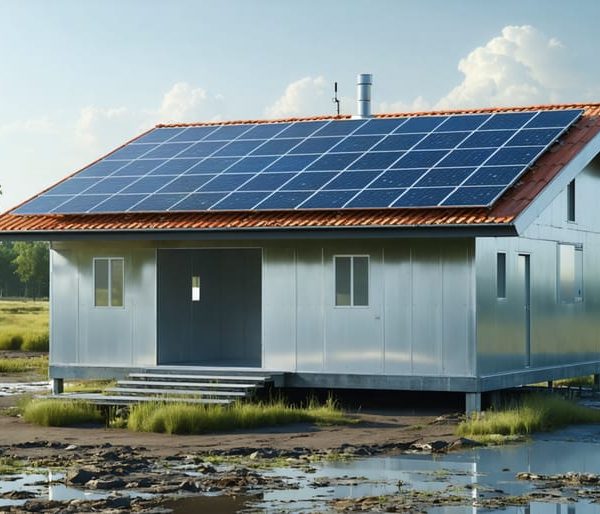
Solar-Powered Mobile Crisis Units: Emergency Communications When Power Fails
Mobile crisis units powered by emergency solar power systems represent a critical lifeline during disasters, ensuring uninterrupted communication and emergency response capabilities when traditional infrastructure fails. These self-contained units combine robust solar panels, high-capacity batteries, and essential communication equipment into rapidly deployable platforms that transform emergency management.
Operating independently from the grid, these mobile units serve as command centers during natural disasters, civil emergencies, and humanitarian crises. They provide reliable power for emergency communications, medical equipment, and vital coordination efforts while maintaining environmentally conscious operations. First responders and emergency management teams rely on these solar-powered units to establish immediate command posts in affected areas, coordinate rescue efforts, and maintain critical services when conventional power sources are compromised.
The integration of renewable energy with emergency response capabilities demonstrates how sustainable technology can enhance community resilience while reducing environmental impact during crisis situations.
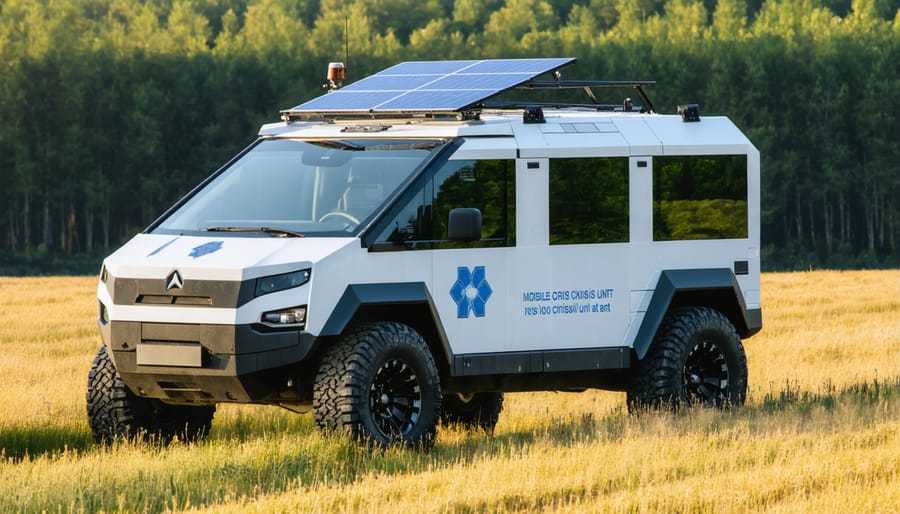
The Power of Solar-Equipped Mobile Crisis Units
Core Components of Solar Crisis Communications
At the heart of every mobile crisis unit lies a carefully selected array of solar and communication equipment. The foundation starts with high-efficiency solar panels, typically featuring monocrystalline technology for maximum power generation in limited space. These panels connect to solar backup batteries that ensure continuous power even during cloudy conditions or nighttime operations.
Essential communication components include dual-band VHF/UHF radios, satellite phones, and mobile internet hotspots. A compact control center houses weather-resistant touchscreen displays and emergency alert systems. The setup also incorporates redundant power inverters, charge controllers, and automatic switching systems to maintain uninterrupted service.
For maximum reliability, units feature modular components that can be quickly replaced or upgraded in the field. Weather-sealed connection points and reinforced cabling protect against environmental damage, while integrated diagnostic systems monitor equipment performance and alert operators to potential issues before they become critical problems.
All components are mounted on shock-resistant racks and secured in weatherproof cases, making the entire system both portable and durable in challenging conditions.
24/7 Operation Capabilities
Solar power is the game-changer that enables mobile crisis units to operate around the clock, providing essential emergency services without interruption. These units harness sunlight during the day through high-efficiency solar panels, storing excess energy in advanced battery systems for nighttime or cloudy conditions.
The solar setup typically includes multiple panels mounted on the unit’s roof or deployed as portable arrays, feeding into a robust power management system. This system intelligently distributes power to critical equipment like communication devices, medical equipment, and lighting, ensuring continuous operation even during extended deployments.
What makes this particularly effective is the integration of smart power management technology. During peak sunlight hours, the system simultaneously powers the unit and charges the batteries, while automatically switching to stored power when needed. This seamless transition ensures that vital services remain uninterrupted, regardless of weather conditions or time of day.
Most units are designed with redundant power systems and can maintain essential operations for up to 72 hours on stored power alone, making them truly reliable for round-the-clock emergency response scenarios.
Setting Up an Emergency Solar Communications Hub
Essential Equipment Selection
Selecting the right equipment for your mobile crisis unit starts with determining your power needs. For solar panels, consider lightweight, foldable models rated between 100-200 watts, which offer an ideal balance of portability and power generation. Look for panels with high efficiency ratings (above 20%) and durable construction to withstand various weather conditions.
Battery selection is equally crucial. Lithium iron phosphate (LiFePO4) batteries are recommended for their excellent safety profile, long cycle life, and reliable performance. Choose batteries with at least 100Ah capacity to ensure sustained power during extended deployments. Consider having multiple smaller batteries rather than one large unit for better flexibility and redundancy.
For communication devices, prioritize dual-band VHF/UHF radios with extended range capabilities. Include both handheld units for team members and a more powerful base station. Satellite phones or satellite internet devices serve as essential backups when traditional communications fail. Don’t forget to include weather-resistant storage cases for all equipment.
Essential accessories should include:
– Quick-connect cables and adapters
– Charge controllers with MPPT technology
– Portable antenna systems
– Basic repair tools and spare parts
– Weather-resistant power strips
– LED lighting systems
Remember to test all equipment regularly and maintain a detailed inventory list with operating instructions. This ensures quick deployment and efficient operation during actual crisis situations.
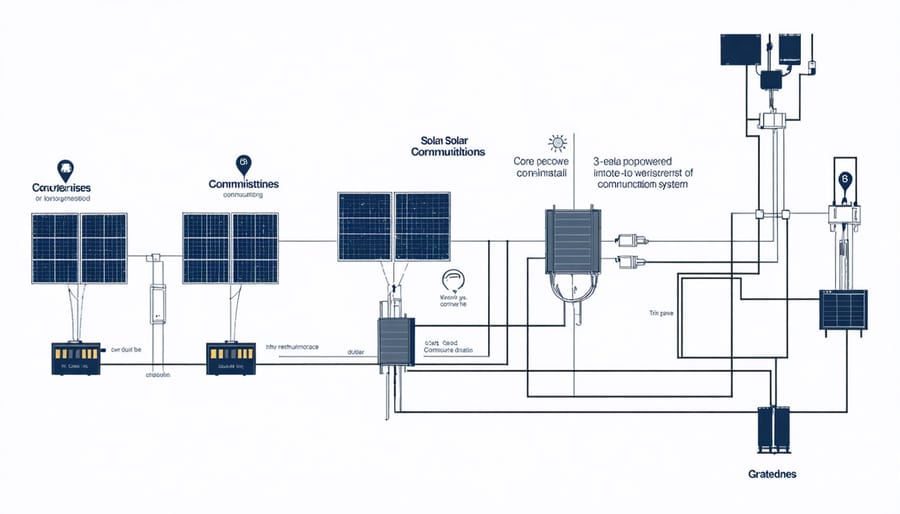
Installation and Configuration Steps
Setting up a mobile crisis unit requires careful planning and systematic implementation. Start by selecting a suitable vehicle that can accommodate your equipment and team members. The ideal choice is often a large van or small bus that offers adequate space for both communication gear and workspace.
Begin by build an emergency solar system on the vehicle’s roof, including solar panels, charge controllers, and battery storage. Mount the panels securely using specialized brackets designed for vehicle installation.
Next, install your communication equipment, starting with the base radio system and antenna. Position the antenna on the highest point of the vehicle for optimal signal reception. Set up your workstations with ergonomic considerations in mind, ensuring all equipment is securely fastened for travel.
Install backup power systems and ensure proper ventilation for all electronic equipment. Add storage compartments for emergency supplies and technical tools. Consider installing LED lighting powered by your solar system for energy efficiency.
Finally, test all systems thoroughly before deployment. This includes communications equipment, power systems, and emergency backup generators. Create a maintenance schedule and train your team on proper equipment operation and troubleshooting procedures.
Remember to include basic amenities like water storage and climate control systems to ensure your team can operate effectively during extended deployments.
Maintenance and Best Practices
Regular System Checks
Keeping your mobile crisis unit in top condition requires a consistent maintenance schedule and thorough inspection procedures. Start with weekly visual checks of all solar panels, ensuring they’re clean and free from debris that could impact power generation. Inspect mounting hardware and wiring connections monthly, tightening any loose components and checking for signs of wear or damage.
Battery systems need quarterly evaluations to verify proper charging cycles and overall capacity. Test backup power systems under load conditions to ensure seamless switching during emergencies. Communications equipment should undergo monthly testing, including all radios, satellite phones, and internet connectivity devices.
Document all maintenance activities in a digital or physical logbook, noting any repairs or replacements made. This history helps track system performance and predict potential issues before they become critical. Schedule professional inspections annually to assess system efficiency and update any outdated components.
Create a checklist for daily operational checks, including:
– Power system status indicators
– Communication equipment functionality
– Weather monitoring systems
– Emergency supplies inventory
– Fuel levels in backup generators
– Temperature control systems
– Water and waste management systems
Regular maintenance ensures your mobile crisis unit remains ready for immediate deployment when needed, maximizing its effectiveness during emergency situations.
Weather-Proofing Considerations
Protecting your mobile crisis unit’s equipment from harsh weather conditions is crucial for maintaining reliable operations during emergencies. Start by installing waterproof, heavy-duty cases for all sensitive electronic components, ensuring they meet at least IP65 protection standards. These cases should include rubber gaskets and secure latching mechanisms to prevent moisture infiltration.
Temperature control is equally important. Install proper ventilation systems with dust filters to prevent overheating while keeping dirt and debris out. Consider adding small solar-powered fans for additional airflow during hot weather. For cold environments, incorporate insulation materials and thermostat-controlled heating elements to prevent battery degradation and maintain optimal operating temperatures.
UV protection is essential for extending equipment life. Apply UV-resistant coatings to external components and use sun shields or awnings to protect sensitive displays and solar panels. Install lightning protection systems, including proper grounding and surge protectors, to safeguard against electrical damage during storms.
Regular maintenance checks should include inspecting weather seals, cleaning ventilation systems, and testing waterproof integrity. Keep spare weatherproofing materials on hand for quick repairs during deployment. Remember to document all weather-related incidents to improve future protection strategies.
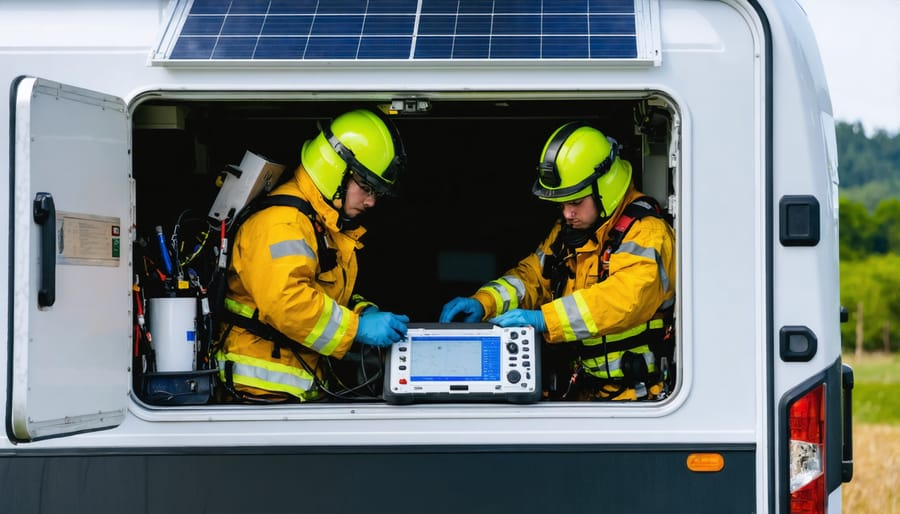
Real-World Applications and Success Stories
Solar-powered mobile crisis units have proven their worth in numerous real-world emergencies. During Hurricane Maria in Puerto Rico, these units served as lifelines for communities cut off from traditional power sources. Local response teams deployed solar-powered communication hubs that provided essential internet and phone services, helping families reconnect with loved ones and access emergency information.
In California’s wildfire season of 2020, mobile crisis units equipped with solar panels maintained critical communications when traditional power infrastructure failed. These units powered emergency medical equipment and provided charging stations for first responders’ devices, ensuring continuous operation during extended power outages.
The Australian Red Cross successfully implemented solar-powered mobile units during the 2019-2020 bushfire crisis. These units operated for weeks without requiring external power, providing emergency communications and serving as coordination centers for relief efforts.
A particularly inspiring example comes from a small coastal town in Florida, where a community-funded solar crisis unit became the command center during a Category 3 hurricane. The unit operated continuously for 72 hours, coordinating rescue efforts and maintaining emergency communications when all other systems failed.
These success stories demonstrate how solar-powered mobile crisis units can provide reliable, sustainable emergency response solutions while reducing dependence on traditional power sources during critical situations.
Solar-powered mobile crisis units represent a crucial advancement in emergency preparedness and disaster response. By harnessing renewable energy, these units provide reliable communication, medical support, and essential services when traditional infrastructure fails. Their ability to operate independently of the power grid makes them invaluable assets during natural disasters, humanitarian crises, and emergency situations. The combination of sustainability and reliability ensures that help can reach those in need, even in the most challenging circumstances. As climate change continues to impact our communities, investing in solar-powered mobile crisis units isn’t just smart—it’s essential for building resilient emergency response systems that serve and protect our communities when they need it most. The future of emergency preparedness is sustainable, mobile, and powered by the sun.