


Here’s What Your 6kW Solar System Really Produces Each Day
A 6kW solar system typically generates between 20-28 kilowatt-hours (kWh) of electricity per day, making it an ideal choice for medium to large households looking to slash their energy bills. This output varies significantly based on your location, panel orientation, and seasonal sunlight patterns – factors that directly impact your system’s real-world performance. Modern 6kW installations, equipped with smart monitoring technology, allow homeowners to track their daily production through user-friendly mobile apps, providing instant visibility into energy generation and consumption patterns.
By understanding your system’s daily output potential, you can maximize its efficiency and ensure optimal returns on your solar investment. Whether you’re considering a new installation or monitoring an existing setup, knowing what to expect from a 6kW system helps set realistic expectations and identify opportunities for optimization. Recent advancements in solar technology have pushed these systems to achieve even higher efficiency rates, consistently delivering reliable power for homes and small businesses alike.
How Much Power Does a 6kW Solar System Generate?
Ideal vs. Real-World Production
While a 6kW solar system has a theoretical daily output of 24-30 kWh in ideal conditions, real-world solar efficiency rates typically result in production between 18-24 kWh per day. This variation occurs due to several factors, including weather conditions, panel orientation, and seasonal changes.
For example, a homeowner in California might see their 6kW system produce 28 kWh on a clear summer day, while the same system might generate only 19 kWh during winter months. Shade from nearby trees, dust accumulation, and ambient temperature also impact daily output. Most solar monitoring apps show that actual production usually reaches about 80% of the theoretical maximum.
To get a realistic picture of your system’s performance, it’s helpful to track your daily output over several months. Many homeowners report that their systems exceed expectations during spring and fall when temperatures are moderate and skies are clear, while summer heat can actually reduce efficiency despite longer daylight hours.
Seasonal Output Variations
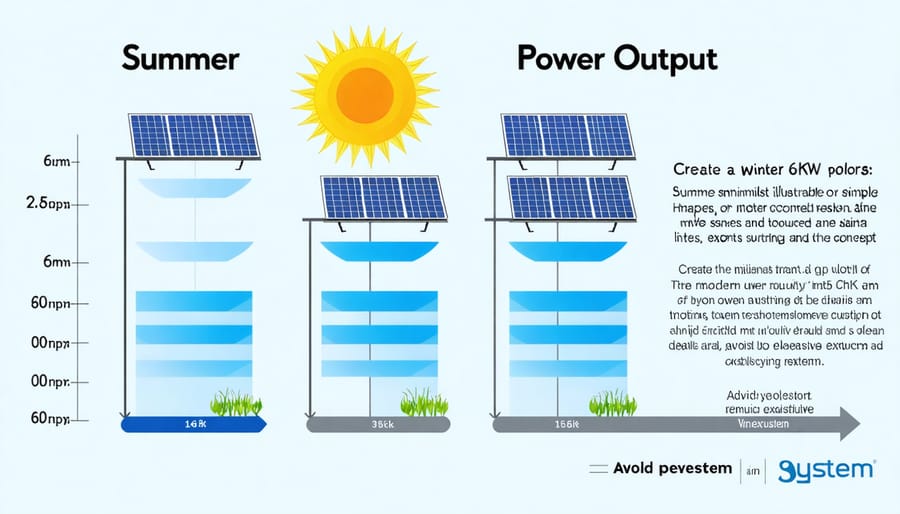
A 6kW solar system’s output naturally fluctuates throughout the year due to seasonal changes in sunlight hours and weather patterns. During summer months (December-February in Australia, June-August in North America), you can expect peak production ranging from 30-36 kWh per day. In winter, this typically drops to 15-20 kWh daily due to shorter days and lower sun intensity.
Real-world data from Sydney shows that a 6kW system produces approximately:
– Summer: 32 kWh/day
– Spring/Autumn: 24 kWh/day
– Winter: 18 kWh/day
Weather conditions play a crucial role in these variations. Clear summer days can boost production by up to 20% above average, while cloudy winter days might reduce output by 50-70%. Location also matters – homes in sunny Arizona might see consistent 30+ kWh days even in winter, while Seattle installations could drop to 12 kWh during rainy periods.
To maximize year-round performance, consider adjusting your panel tilt seasonally if possible, and schedule regular cleaning during peak pollen seasons. Many homeowners find that their annual average daily output stabilizes around 24-26 kWh, providing reliable energy throughout the year.
Tracking Your System’s Performance
Popular Monitoring Platforms
Keeping track of your 6kW solar system’s performance is easier than ever with today’s advanced monitoring platforms. To help you make the most of your investment, let’s explore some popular solutions for solar panel monitoring essentials.
SolarEdge, one of the market leaders, offers a user-friendly monitoring platform that shows real-time energy production, system health, and historical data through their mobile app and web portal. You can easily track daily, monthly, and yearly output patterns to ensure optimal performance.
Enphase’s Enlighten platform stands out with its panel-level monitoring capability, allowing you to check the performance of individual panels. This feature is particularly helpful in identifying underperforming panels or potential maintenance issues early on.
For budget-conscious homeowners, Fronius Solar.web provides a free monitoring solution with comprehensive reporting features. Their platform displays energy flows, weather data, and self-consumption rates in an easy-to-understand format.
SMA’s Sunny Portal offers detailed analytics and automated alerts, perfect for those who want to stay informed about their system’s performance without constant checking. The platform even provides recommendations for optimizing energy consumption based on your usage patterns.
Most of these platforms include features like:
– Mobile app access
– Performance alerts
– Energy consumption tracking
– Weather integration
– Export data capabilities
– System health notifications
Making Sense of Your Data
Understanding your 6kW solar system’s performance data doesn’t have to be complicated. Start by checking your inverter’s display or monitoring app for daily production numbers. A healthy system typically generates between 24-30 kWh per day, though this varies by season and location.
Keep an eye on your peak production hours, usually between 10 AM and 2 PM. During this time, your system should be operating at or near its maximum capacity. If you notice significantly lower output during clear weather, this could indicate an issue that needs attention.
Watch for patterns in your daily output. A gradual decline might suggest dust accumulation on panels, while sudden drops could point to electrical issues or shading problems. Compare your actual production to the estimated figures provided during installation – they should be reasonably close.
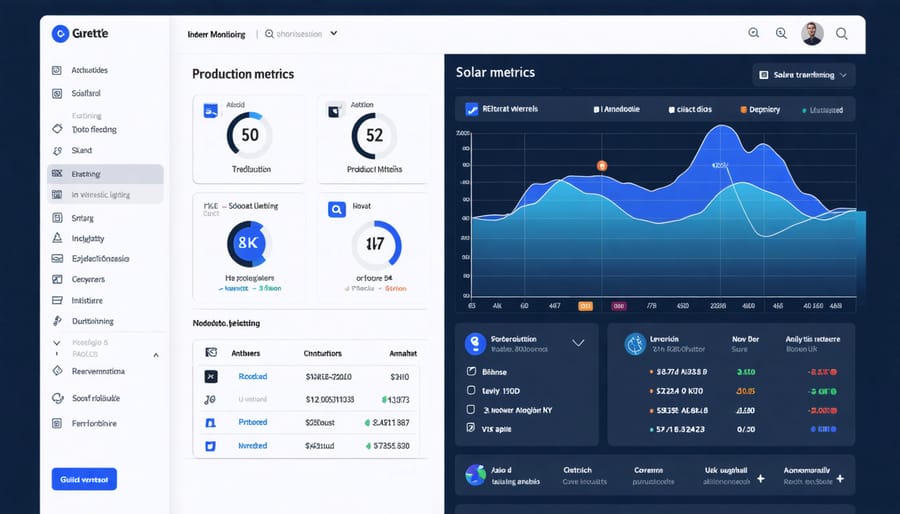
Many modern monitoring systems offer helpful visualizations and alerts. Look for consistent daily curves that peak at midday. Irregular patterns or flat lines during daylight hours warrant investigation. Some apps even provide performance comparisons with nearby systems, helping you gauge if your output is within normal ranges.
Consider keeping a simple log of unusual weather events or maintenance activities. This information can be valuable when analyzing performance dips or planning cleaning schedules. Remember, understanding your data helps you maximize your investment and catch potential issues early.
Maximizing Your System’s Output

Maintenance Best Practices
To keep your 6kW solar system performing at its peak, establish a regular maintenance routine. Start with monthly visual inspections of your solar panels, checking for dust, leaves, bird droppings, or any debris that might shade the cells. A simple rinse with a garden hose during early morning or evening hours is usually sufficient for cleaning.
Monitor your system’s output readings daily through your inverter display or mobile app. This habit helps you quickly spot any unexpected drops in performance. Look for significant variations from your typical daily production, which could indicate an issue needing attention.
Every six months, conduct a more thorough inspection. Check that mounting hardware remains secure and look for any signs of water damage or loose wiring connections. If you notice any discoloration on panels or deterioration of frame seals, contact your solar installer for professional assessment.
Keep surrounding trees trimmed to prevent shading, especially during peak sun hours. In areas with heavy snowfall, invest in a soft-bristled snow rake to carefully remove accumulated snow from panels. Never use metal tools or harsh chemicals for cleaning, as these can damage the panel surface.
For optimal performance, schedule a professional maintenance check annually. Technicians can test electrical connections, verify inverter efficiency, and ensure all components are functioning correctly. Regular maintenance not only maximizes your system’s daily output but also extends its operational lifespan.
Performance Optimization Tips
Want to get the most out of your 6kW solar system? Here are some proven tips to optimize your solar performance and maximize your daily output:
Regular cleaning is essential – aim to clean your panels every 3-4 months, or more frequently in dusty areas. A simple mixture of water and mild soap, along with a soft brush, will do the trick. Remember to clean during early morning or evening to avoid hot panels.
Check for shading issues throughout the day. Even partial shade from growing trees or new constructions can significantly impact your system’s output. Trim branches when necessary and consider adjusting panel angles if possible.
Monitor your inverter’s performance daily. A sudden drop in output could indicate an issue that needs attention. Most modern inverters come with smartphone apps that make tracking easier.
Ensure proper ventilation around your panels. Good airflow helps maintain optimal operating temperature, which is crucial for maximum efficiency. Consider installing your panels with a few inches of clearance from your roof.
Schedule professional maintenance annually. A qualified technician can spot potential issues before they affect your output and ensure all components are working at peak efficiency.
These simple steps can help maintain your system’s performance and ensure you’re getting the most value from your solar investment.
Understanding your 6kW solar system’s daily output is crucial for maximizing your renewable energy investment. By consistently monitoring your system’s performance through your inverter display or smartphone app, you can ensure it maintains optimal efficiency throughout its lifetime. Remember that while average daily output ranges from 24-30 kWh, your actual results may vary based on location, weather, and installation quality. Regular cleaning, maintenance, and professional check-ups will help maintain peak performance levels. Stay engaged with your system’s monitoring tools and celebrate your contribution to a more sustainable future – every kilowatt-hour generated is a step toward energy independence and environmental protection. If you notice any significant drops in production, don’t hesitate to contact your installer for assistance.


