

Make Your Solar Investment Count: Smart Monitoring for Maximum Power Output
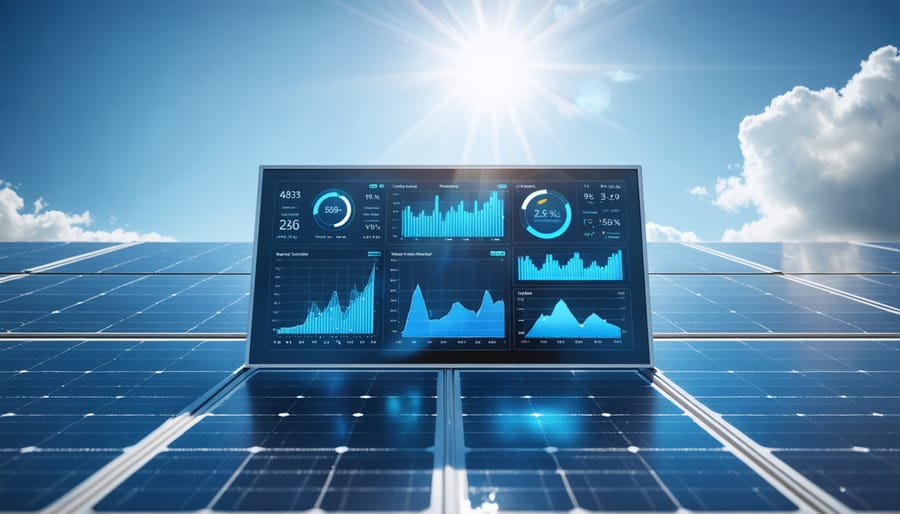
Transform your solar investment into a powerhouse of efficiency with real-time monitoring that puts you in control of every kilowatt. Modern solar power monitoring systems reveal exactly how much energy your panels produce, when they perform best, and where potential issues might be hiding – all from your smartphone or computer.
Installing solar panels is just the beginning; monitoring their performance helps you maximize returns and catch problems before they impact your energy production. Whether you’re a homeowner tracking daily usage patterns or a property manager overseeing multiple installations, smart monitoring tools provide the insights needed to optimize your system’s output and protect your investment.
Today’s monitoring solutions combine advanced sensors, cloud-based analytics, and user-friendly apps to deliver detailed performance data in real-time. Track production levels, compare efficiency across different times of day, and receive instant alerts about potential maintenance needs. This technological revolution in solar monitoring transforms complex energy data into actionable insights, helping you make informed decisions about your energy consumption and system maintenance.
By understanding your solar system’s performance metrics, you’re not just generating clean energy – you’re maximizing every ray of sunshine that hits your panels, ensuring optimal returns on your renewable energy investment.
Why Solar Power Monitoring Matters
Detecting Performance Issues Early
Solar power monitoring systems act as your system’s early warning system, helping you prevent costly system failures before they impact your energy production. By tracking real-time performance data, these systems can quickly identify issues like dirty panels, malfunctioning inverters, or unexpected shading that might be reducing your system’s efficiency.
Think of it as a health monitor for your solar investment. Just as regular check-ups help maintain your well-being, continuous monitoring ensures your solar panels operate at peak performance. When production drops below expected levels, even by a small percentage, the monitoring system alerts you immediately, allowing for swift corrective action.
For example, if one panel in your array starts underperforming, the system can detect this anomaly within hours rather than weeks or months. This early detection means you can schedule cleaning, maintenance, or repairs before the issue spreads or causes significant energy loss. Many monitoring platforms even provide automated alerts and detailed diagnostic reports, making it easier for homeowners and property managers to maintain optimal system performance year-round.
Optimizing Energy Production
Solar power monitoring plays a crucial role in helping homeowners and businesses maximize solar panel efficiency and get the most value from their renewable energy investment. By tracking real-time performance data, you can quickly identify when panels aren’t operating at their peak and take corrective action.
Modern monitoring systems alert you to potential issues like dust accumulation, shade problems, or malfunctioning components before they significantly impact your energy production. This proactive approach helps maintain optimal performance year-round and extends the life of your solar installation.
Through detailed performance analytics, you can also identify the best times for energy-intensive activities. For example, running your dishwasher or charging electric vehicles during peak solar production hours maximizes your use of clean energy and reduces reliance on grid power.
Regular monitoring also helps you track seasonal variations in energy production, allowing you to adjust your consumption patterns accordingly. By understanding these patterns, you can make informed decisions about energy storage solutions and backup power systems, ensuring you get the greatest possible return on your solar investment.
Essential Components of Solar Monitoring Systems
Hardware Components
The heart of any solar power monitoring system lies in its hardware components, which work together to capture and transmit vital performance data. The primary device is the solar meter or monitoring device, which connects directly to your solar inverter. This specialized equipment measures key metrics like power output, voltage, and current in real-time.
Current transformers (CTs) are essential sensors that clamp around electrical wires to measure the flow of electricity. These small but powerful devices help track both the energy your panels produce and what you consume from the grid. A pyranometer, while optional, can measure solar irradiance – helping you understand if your panels are performing as expected given the available sunlight.
Most modern monitoring systems include a data logger or gateway device that collects information from various sensors and transmits it to the internet. This compact unit typically connects to your home’s Wi-Fi network and serves as the bridge between your solar hardware and monitoring software.
Weather sensors can enhance your monitoring setup by tracking local conditions that affect solar production. These might include temperature sensors for panel efficiency monitoring and anemometers for wind speed measurement, particularly useful for systems with tilting panels.
For backup power monitoring, battery sensors connect to your energy storage system, providing real-time data about charge levels and power flow. A smart electric meter completes the hardware setup, enabling detailed tracking of energy exchange with the power grid.
Software and Apps
Today’s modern monitoring platforms make it easier than ever to track your solar system’s performance. Popular apps like SolarEdge, Enphase Enlighten, and SMA Sunny Portal offer user-friendly interfaces that put comprehensive monitoring capabilities right at your fingertips.
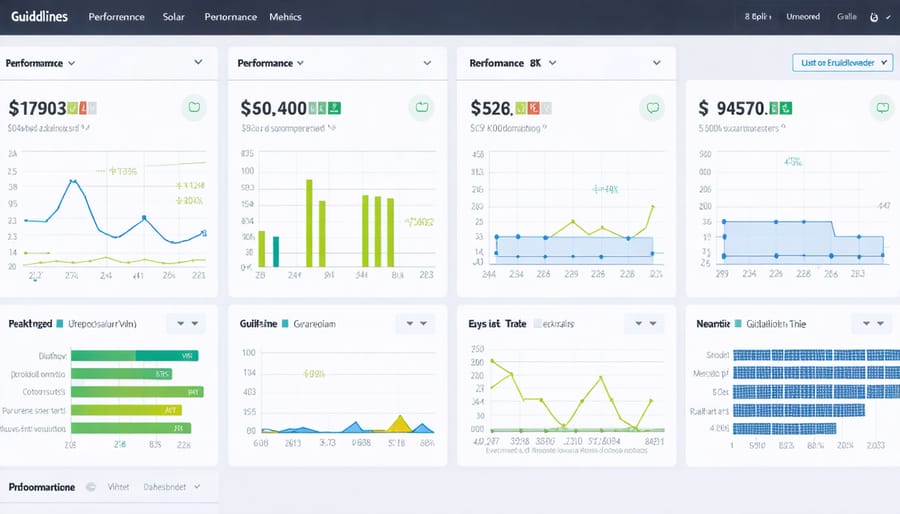
These apps typically provide real-time energy production data, system health updates, and historical performance analysis through intuitive dashboards. You can easily check your solar generation, compare daily or monthly outputs, and receive instant alerts if any issues arise with your system.
Many monitoring solutions now feature mobile apps that let you track your solar performance on the go. You’ll get push notifications about important system events and can share your energy production data with family members or property managers. Some apps even gamify the experience by showing your environmental impact or comparing your production with nearby solar installations.
For commercial properties, these platforms offer advanced reporting features, multiple user access levels, and detailed financial analysis tools. You can export data for accounting purposes or generate professional reports to demonstrate ROI to stakeholders.
The best part? Most modern solar installations include basic monitoring capabilities at no extra cost, with optional upgrades available for those wanting more detailed analytics or advanced features.
Setting Up Your Monitoring System
Installation Steps
Begin by mounting your monitoring device near your solar inverter, ensuring it’s within your home’s Wi-Fi range. Most modern monitoring systems come with straightforward mounting brackets – secure these to a stable wall using the provided screws and anchors.
Next, connect your monitoring device to the inverter using the supplied cables. Typically, this involves plugging in a data cable from the monitoring device to the inverter’s communication port. Some systems might require additional power connections – follow your manufacturer’s wiring diagram carefully.
Set up the monitoring software by downloading the appropriate app on your smartphone or accessing the web portal on your computer. Create an account and follow the on-screen instructions to connect your monitoring device to your home’s Wi-Fi network.
Configure your system settings by entering basic information about your solar installation, including panel capacity, installation date, and location. Many systems will auto-detect your inverter model, but you may need to input this manually.
Test the connection by checking if live data appears on your monitoring dashboard. You should see real-time power generation numbers within a few minutes. If not, verify your Wi-Fi connection and ensure all cables are properly secured.
Finally, customize your alert preferences to receive notifications about system performance, potential issues, or maintenance requirements. Consider setting up daily or weekly performance reports to track your energy production consistently.
Remember to keep your monitoring device’s firmware updated for optimal performance and security. Most systems will notify you when updates are available.
Configuration Tips
To get the most out of your solar power monitoring system, start by placing your sensors in optimal locations. Mount irradiance sensors away from shadows and ensure temperature sensors aren’t affected by direct sunlight or heat sources. Position your monitoring display or device in an easily accessible area where you can check it daily.
Configure alert thresholds that make sense for your system size and local climate. Set up notifications for production drops of 15% or more, as these often indicate issues requiring attention. Enable email or mobile alerts to stay informed even when you’re away from home.
Customize your dashboard to display the metrics that matter most to you. Most systems allow you to prioritize different data points like current power output, daily energy production, and cost savings. Consider setting up separate views for different times of the year, as solar production patterns change with seasons.
Back up your monitoring data regularly and store it in multiple locations. This historical information becomes invaluable for long-term performance analysis and warranty claims. If your system offers cloud storage, enable automatic backups.
For optimal performance tracking, synchronize your monitoring system with your local utility rates and weather data. This integration provides more accurate savings calculations and helps identify weather-related production variations. Remember to update your rate information whenever your utility prices change.
Regularly check and update your monitoring system’s software to ensure you have access to the latest features and security patches. Most modern systems can handle updates automatically, but it’s worth verifying this setting is enabled.
Getting the Most from Your Monitoring Data
Understanding Performance Metrics
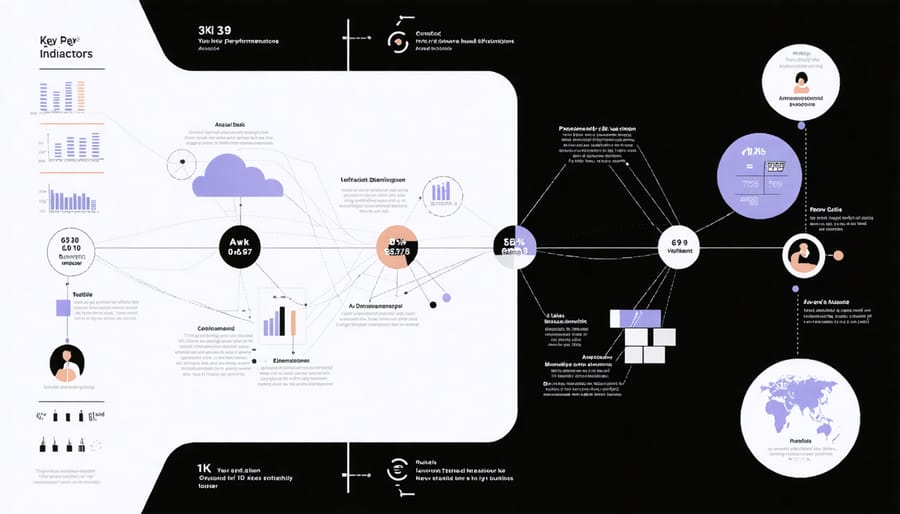
Understanding your solar system’s performance metrics is crucial for maximizing your renewable energy investment. Let’s break down the key indicators that help you track your system’s efficiency and output.
Energy Production (kWh) is the most fundamental metric, showing how much electricity your panels generate over time. This measurement helps you understand your system’s overall performance and compare it to expected yields.
Peak Power Output (kW) indicates your system’s maximum power generation capacity at any given moment. This metric is particularly useful for identifying when your panels are operating at their highest efficiency, typically during peak sunlight hours.
Performance Ratio (PR) compares your actual energy production to the theoretical maximum possible, expressed as a percentage. A PR of 80% or higher generally indicates a well-functioning system, while lower values might signal potential issues requiring attention.
Solar Irradiance measures the amount of sunlight hitting your panels, typically in watts per square meter (W/m²). This metric helps you understand whether lower production is due to weather conditions or system problems.
Energy Consumption patterns show how much solar power you’re using versus sending to the grid. This information is valuable for optimizing your energy usage to maximize self-consumption and reduce utility bills.
System Efficiency represents how effectively your panels convert sunlight into electricity. Most modern systems operate at 15-20% efficiency, and monitoring this metric helps detect any degradation over time.
Financial Savings tracking combines production data with current utility rates to calculate your actual cost savings, helping you verify your return on investment and forecast future benefits.
These metrics work together to give you a complete picture of your solar system’s health and performance, enabling informed decisions about maintenance and usage patterns.
Taking Action on Insights
Turning monitoring data into actionable insights is crucial to optimize system performance and maximize your solar investment. Start by establishing a baseline for your system’s typical performance during different seasons and weather conditions. This helps you quickly identify when output falls below expected levels.
Set up automated alerts for significant performance drops, which could indicate issues like panel soiling, shading problems, or equipment malfunctions. When you receive an alert, conduct a visual inspection of your system first. Look for obvious problems like fallen leaves, bird droppings, or new shade sources that weren’t there before.
Compare your current energy production with historical data from similar weather conditions. If you notice a consistent decline, it might be time to schedule professional maintenance. Keep a log of cleaning dates, maintenance visits, and any issues discovered – this history helps identify patterns and predict potential problems before they become serious.
Use your monitoring data to adjust energy consumption habits. For example, if you notice peak production occurs between 10 AM and 2 PM, try running energy-intensive appliances during these hours. This simple adjustment can significantly increase your solar system’s cost-effectiveness.
Regular analysis of performance metrics can also help you plan for system upgrades. If your energy needs have increased but your current system consistently falls short, your monitoring data provides valuable information for sizing an expansion correctly.
Remember to review your monitoring dashboard at least monthly and act promptly on any alerts or unusual patterns. Small issues can compound over time, so addressing them quickly helps maintain optimal system efficiency.
Solar power monitoring has become an essential tool in our journey toward sustainable energy independence. By keeping a watchful eye on your solar system’s performance, you’re not just protecting your investment – you’re actively participating in the clean energy revolution. The data and insights gained through monitoring empower you to make informed decisions about your energy usage, optimize your system’s efficiency, and maximize your return on investment.
As we’ve explored throughout this guide, implementing a robust monitoring system doesn’t have to be complicated. Whether you’re a homeowner looking to reduce your carbon footprint or a property manager aiming to cut operational costs, the right monitoring solution can make a significant difference in achieving your goals.
Looking ahead, the future of solar monitoring is bright, with emerging technologies making systems even more intelligent and user-friendly. From smartphone apps that provide real-time insights to advanced analytics that predict maintenance needs, the tools available to solar system owners continue to evolve.
Take the next step by evaluating your current setup and considering how monitoring can enhance your solar experience. Start with basic monitoring features and gradually expand your system as you become more comfortable with the technology. Remember, every kilowatt-hour tracked is a step toward better energy management and a more sustainable future.


