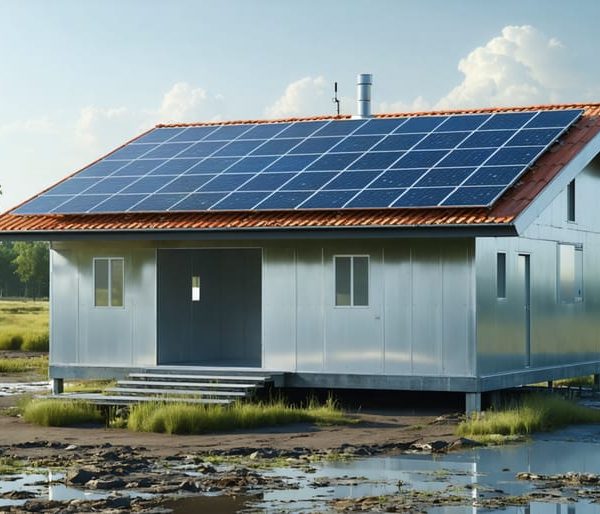
Power Your Emergency Communications With Mobile Solar Systems That Work
Harness the power of sunlight anywhere with mobile solar solutions that transform how we think about portable energy. Today’s mobile solar technology combines lightweight panels, efficient batteries, and smart controllers to create complete power stations you can take anywhere – from remote job sites to weekend camping trips.
Unlike traditional generators, mobile solar setups operate silently, require minimal maintenance, and produce zero emissions while providing reliable power for everything from smartphones to small appliances. Modern systems can be set up in minutes, pack down to surprisingly compact sizes, and deliver consistent power even in partially cloudy conditions.
For homeowners looking to boost emergency preparedness or outdoor enthusiasts seeking sustainable power solutions, mobile solar represents the perfect intersection of convenience and clean energy. With recent advances in panel efficiency and battery storage capacity, these systems now offer serious power at a fraction of their previous cost and complexity.
Whether you’re powering essential communication devices during outages, running tools at an off-grid worksite, or simply reducing your carbon footprint on outdoor adventures, mobile solar power provides the freedom to generate clean electricity wherever life takes you.
Why Mobile Solar Power is Essential for Crisis Communications
Independence from the Grid
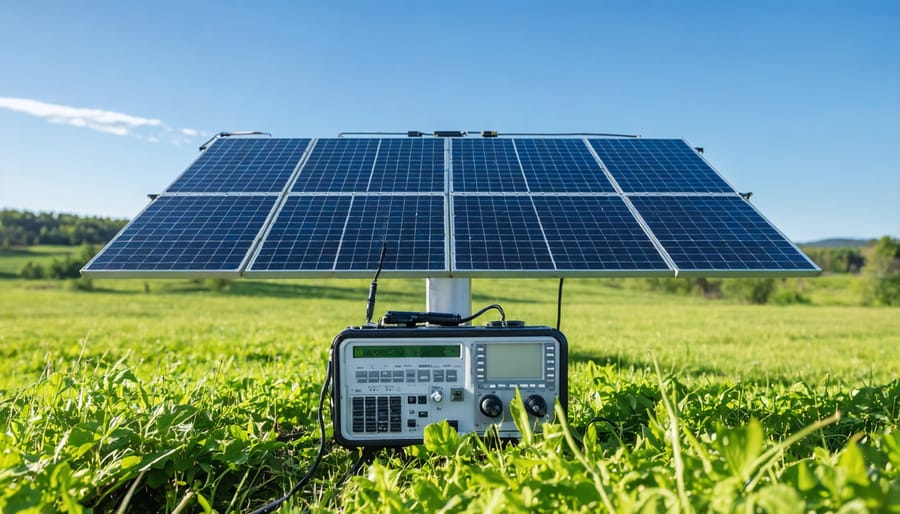
When disaster strikes and the power grid fails, mobile-solar power systems become invaluable lifelines for communities and individuals. These portable power solutions provide crucial independence from traditional electricity infrastructure, ensuring you maintain essential services when you need them most. Solar power during grid failures offers reliable backup that keeps your critical devices running, from medical equipment to communication devices.
Unlike conventional generators, mobile solar systems operate silently and don’t require fuel refills, making them ideal for extended emergency situations. They’re also maintenance-free during use, allowing you to focus on other urgent matters during crisis periods. This independence proves especially valuable during natural disasters when fuel delivery may be disrupted and traditional power restoration could take weeks.
The ability to generate your own clean energy anywhere means you’re never left in the dark. Whether you’re powering a temporary shelter, maintaining refrigeration for medications, or keeping emergency communication channels open, mobile solar solutions provide the freedom and security that comes with energy autonomy.
Sustainable Emergency Response
When disaster strikes, reliable communication becomes crucial for emergency response teams and affected communities. Mobile solar power systems ensure that vital communication equipment stays operational even when the grid fails. These systems can power emergency radio stations, satellite phones, and mobile command centers, providing a lifeline during critical situations.
Unlike traditional backup generators that require fuel, solar-powered emergency systems offer a sustainable and self-sufficient solution. With proper battery storage, these systems can provide round-the-clock power for essential communication devices. Many emergency response organizations now integrate solar panels into their mobile units, ensuring they can maintain operations in remote areas or during extended power outages.
The beauty of mobile solar solutions lies in their versatility and reliability. A well-designed system can power everything from smartphones and laptops to more powerful communication equipment. During recent natural disasters, mobile solar units have proven invaluable, helping emergency teams coordinate rescue efforts and enabling affected communities to stay connected with loved ones and emergency services.
For maximum effectiveness, these systems often include redundant components and quick-deploy features, allowing rapid setup when every minute counts.

Key Components of Mobile Solar Communication Systems
Solar Panels and Mounting Solutions
Today’s portable solar panels come in several user-friendly formats, each designed for specific mobile power needs. Foldable panels are increasingly popular, offering an excellent balance of power output and portability. These typically unfold like a book and include built-in kickstands for optimal sun positioning. Flexible panels, which can bend up to 30 degrees, are perfect for curved surfaces like RV roofs and boat decks.
For mounting solutions, magnetic mounts have revolutionized temporary installations, allowing quick attachment to metal surfaces without permanent modifications. Suction cup mounts offer another temporary solution, ideal for smooth surfaces like vehicle windows or glass panels. For more permanent installations, adjustable brackets and rail systems provide secure mounting while maintaining the ability to optimize panel angles.
When selecting your panels, consider the power-to-weight ratio. Modern portable panels typically deliver 100-200 watts while weighing just 10-20 pounds, making them manageable for one person to handle. The most efficient panels now incorporate ETFE coating, which enhances durability and light transmission while reducing weight.
Installation tips from experienced users suggest starting with a small, portable system before scaling up. Many recommend using quick-connect cables and weatherproof storage bags for protection during transport. Remember to always secure panels properly during transport and use – even temporary installations need to withstand unexpected weather conditions.
Battery Storage Systems
Choosing the right battery backup systems is crucial for ensuring reliable 24/7 power from your mobile solar setup. Most installations use either lithium-ion or deep-cycle lead-acid batteries, with lithium-ion becoming increasingly popular due to its longer lifespan and lighter weight.
To determine your battery capacity needs, start by calculating your daily power consumption in watt-hours. For example, if you’re running essential equipment that uses 2,000 watts for 12 hours, you’ll need at least 24,000 watt-hours of storage capacity. It’s wise to add a 20% buffer for unexpected power demands and battery degradation over time.
Modern battery systems come with smart management features that protect against overcharging and deep discharge. For mobile applications, consider weather-resistant battery boxes and proper ventilation. Many users opt for a modular approach, starting with a basic setup and expanding capacity as needed. This flexibility allows for easier maintenance and future upgrades while keeping initial costs manageable.
Communication Equipment Integration
Modern mobile-solar power systems make it easy to keep your communication devices running when you’re off-grid or during emergencies. Most systems come equipped with standard USB ports and 12V DC outlets, perfect for charging smartphones, tablets, and laptops. For more powerful devices like ham radios or satellite communications equipment, look for systems with pure sine wave inverters that provide clean, stable AC power.
To connect your devices, simply plug them into the appropriate outlet on your solar generator. Many units feature multiple port types, including USB-A, USB-C, and standard AC outlets. For optimal performance, use the original charging cables that came with your devices or high-quality alternatives rated for the correct voltage and amperage.
Remember to prioritize your power usage during extended off-grid periods. Essential communication devices should take precedence over entertainment electronics. Consider using power-saving features on your devices and carrying backup portable solar chargers for smaller items. Keep a power strip handy to organize multiple devices and prevent cable clutter while ensuring efficient power distribution from your solar system to all your communication equipment.
Setting Up Your Mobile Solar Communication Station
Site Selection and Setup
Selecting the perfect spot for your mobile solar setup is crucial for maximizing power generation and ensuring system efficiency. When building an emergency solar system, location is everything. Start by identifying areas that receive direct sunlight for at least 6-8 hours daily, avoiding spots with shade from trees, buildings, or other obstacles.
For temporary installations, look for level ground that’s well-drained to prevent water accumulation around your equipment. If you’re setting up on a rooftop, ensure it’s structurally sound and has proper mounting points. Consider wind exposure and local weather patterns – your setup should be secure enough to withstand typical environmental conditions.
Access is another key factor. Choose locations that allow easy maintenance and monitoring of your system. For mobile setups, ensure there’s enough space to adjust panel angles seasonally and room to expand if needed. Keep safety in mind by maintaining clear pathways around the installation and securing all components properly.
Remember to check local regulations and obtain necessary permits before installation. Some areas have specific requirements for solar installations, even mobile ones. If you’re setting up in a community or shared space, consider the visual impact and discuss your plans with neighbors or property managers.
Power Management Strategies
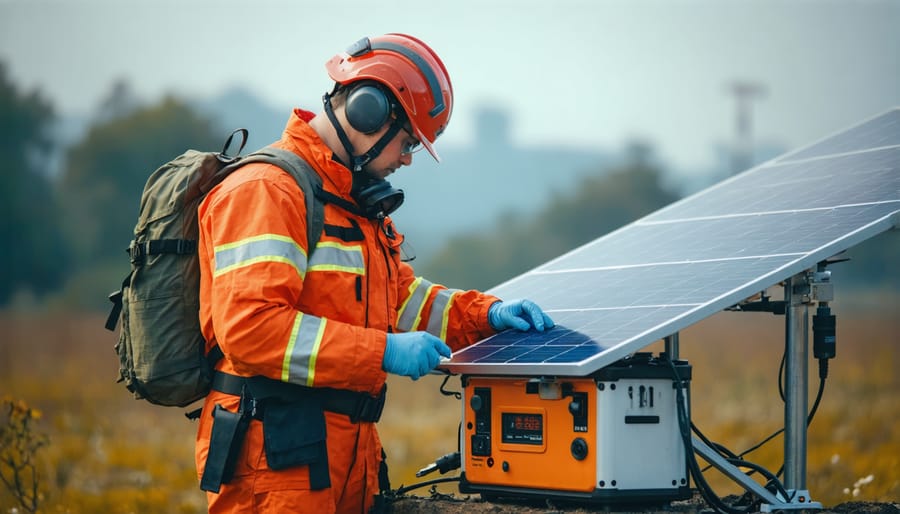
Effective power management is crucial for maintaining reliable mobile-solar power systems. Start by implementing a smart charging schedule that prioritizes battery charging during peak sunlight hours. Use charge controllers with Maximum Power Point Tracking (MPPT) technology to optimize the power transfer from solar panels to batteries, increasing efficiency by up to 30%.
Consider installing a hybrid inverter system that can automatically switch between solar and grid power when needed. This ensures continuous operation during cloudy days or nighttime. Monitor your power consumption patterns and adjust usage accordingly – run high-power devices during solar peak hours and limit non-essential power usage during low-production periods.
Battery maintenance is equally important. Keep batteries at optimal temperature ranges (typically between 20-25°C) and avoid deep discharging below 50% capacity to extend their lifespan. Install a battery monitoring system that provides real-time data on charge levels and system performance.
For maximum efficiency, use LED lighting and energy-efficient appliances. Consider implementing a load-shedding system that automatically disconnects non-critical loads when battery levels are low. Regular system maintenance, including cleaning solar panels and checking connections, helps maintain optimal performance.
Remember to have a backup power strategy in place. This could include additional battery storage or a small generator for emergency situations. By following these strategies, you can ensure your mobile-solar power system operates reliably and efficiently year-round.
Maintenance and Troubleshooting
Regular maintenance of your mobile solar power system ensures optimal performance and longevity. Start by keeping your solar panels clean – a gentle wipe with warm water and a soft cloth every few weeks removes dust and debris that can reduce efficiency. Check all connections monthly, ensuring they’re tight and free from corrosion.
Common issues you might encounter include reduced power output, battery problems, and connection failures. If you notice your system isn’t generating as much power as usual, first check for panel shading or dirt accumulation. For battery-related issues, monitor the charge controller display for warning signs like low voltage indicators.
When troubleshooting, follow this simple checklist:
– Verify all cables are properly connected
– Check fuses and circuit breakers
– Inspect batteries for signs of damage or corrosion
– Confirm inverter settings are correct
– Test voltage output at different points
If your system suddenly stops working, don’t panic. Most issues are simple to fix. Start by checking the basics – ensure the main switch is on, examine all visible wiring, and verify the charge controller is functioning. For persistent problems, consult your system’s manual or contact a qualified solar technician.
Remember to keep a maintenance log and schedule professional inspections annually. This proactive approach helps prevent major issues and extends your system’s lifespan.
Real-World Applications and Success Stories
When Hurricane Maria devastated Puerto Rico in 2017, mobile crisis communications powered by solar energy became a lifeline for affected communities. The Puerto Rico Emergency Management Agency deployed solar-powered communication units that provided essential connectivity when traditional power infrastructure failed. These units served over 50,000 residents and enabled crucial emergency response coordination.
In California’s wildfire season of 2020, Pacific Gas & Electric utilized mobile solar stations to maintain emergency communications across affected regions. These units powered radio systems and cellular networks, helping firefighters coordinate their efforts and keeping communities informed about evacuation routes and safety updates.
The success of mobile solar power extends beyond natural disasters. During the 2019 humanitarian mission in remote areas of Kenya, Doctors Without Borders implemented solar-powered communication hubs that transformed their medical response capabilities. These units powered satellite phones, laptops, and medical equipment, helping teams coordinate care for over 15,000 patients in areas without reliable grid access.
A particularly inspiring example comes from the Australian Outback, where indigenous communities have embraced mobile solar systems for both emergency and everyday communications. The Warburton community’s solar-powered communication center has maintained continuous operation for three years, providing internet access, emergency alerts, and educational resources to over 500 residents.
These real-world applications demonstrate the reliability and versatility of mobile solar power in crisis situations. The technology has proven particularly valuable in areas prone to natural disasters or where traditional power infrastructure is unreliable. Success stories from around the globe show that mobile solar power isn’t just an alternative energy solution – it’s becoming an essential tool for resilient emergency response systems and sustainable community development.
Mobile solar power represents a game-changing solution for sustainable energy on the go. By combining portability with renewable energy, these systems offer independence from traditional power sources while reducing our carbon footprint. We’ve explored how these versatile systems can power everything from camping equipment to emergency backup systems, making them invaluable for both recreational and practical purposes.
The benefits are clear: reduced energy costs, environmental sustainability, and reliable power wherever you need it. As technology continues to advance and prices become more competitive, mobile solar solutions are becoming increasingly accessible to everyone. Whether you’re a weekend adventurer, a homeowner preparing for emergencies, or a business owner looking to cut costs, mobile solar power offers a practical path forward.
Take the first step today by assessing your power needs and exploring the various options available. The future of portable energy is here, and it’s powered by the sun.