Real Costs: Home Solar Battery Backup Systems Explained
Battery backup systems for residential solar installations typically range from $8,000 to $15,000, representing a significant yet strategic investment in energy independence. As more homeowners recognize the importance of battery backup systems, understanding these costs becomes crucial for making informed decisions about home energy security.
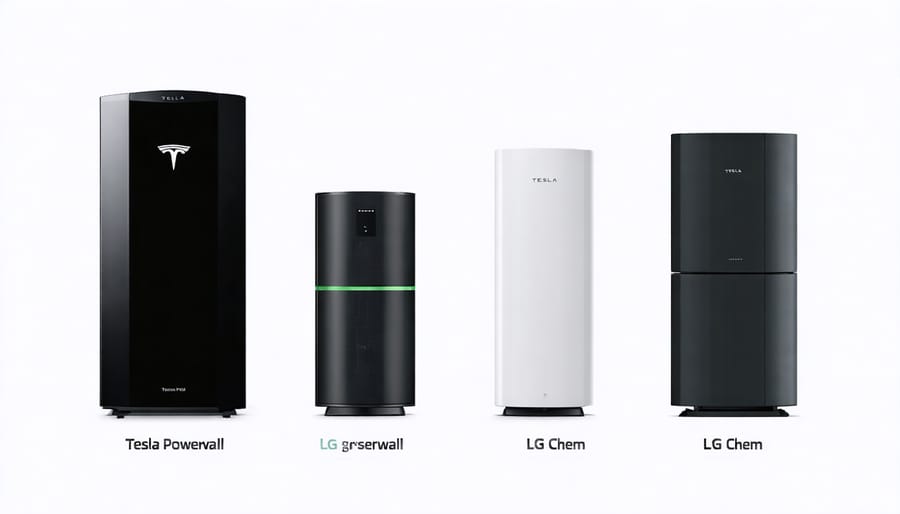
Leading battery solutions like the Tesla Powerwall and LG Chem RESU offer 10-15 kWh of storage capacity, sufficient to power essential home systems during grid outages. While initial costs may seem substantial, federal tax incentives, state rebates, and utility company programs can reduce the total investment by 26-50%, making battery backup increasingly accessible for solar-equipped homes.
The long-term value extends beyond emergency power – these systems enable homeowners to store excess solar energy for use during peak rate periods, potentially saving hundreds annually on utility bills. With battery lifespans reaching 10-15 years and warranties typically covering a decade of use, the investment in energy storage represents a practical step toward true energy independence and reduced carbon footprint.
Core Components of a Solar Battery Backup System
Battery Types and Their Price Points
When choosing a backup battery for your solar system, you’ll encounter several options with varying battery lifespan and performance characteristics. Lithium-ion batteries are currently the most popular choice, typically ranging from $7,000 to $15,000 per unit. While they carry a higher upfront cost, they offer excellent efficiency and a longer operational life of 10-15 years.
Lead-acid batteries present a more budget-friendly option, with prices between $3,000 and $6,000. However, they require more maintenance and have a shorter lifespan of 5-10 years. Their larger size and lower depth of discharge also mean you might need more units to achieve the same capacity as lithium-ion batteries.
Saltwater batteries are emerging as an eco-friendly alternative, priced between $6,000 and $12,000. These batteries are non-toxic and highly recyclable, though they’re still relatively new to the market.
Flow batteries, while less common in residential applications, cost between $8,000 and $17,000 and offer the advantage of unlimited cycling potential and easy capacity expansion.
Inverters and Additional Hardware
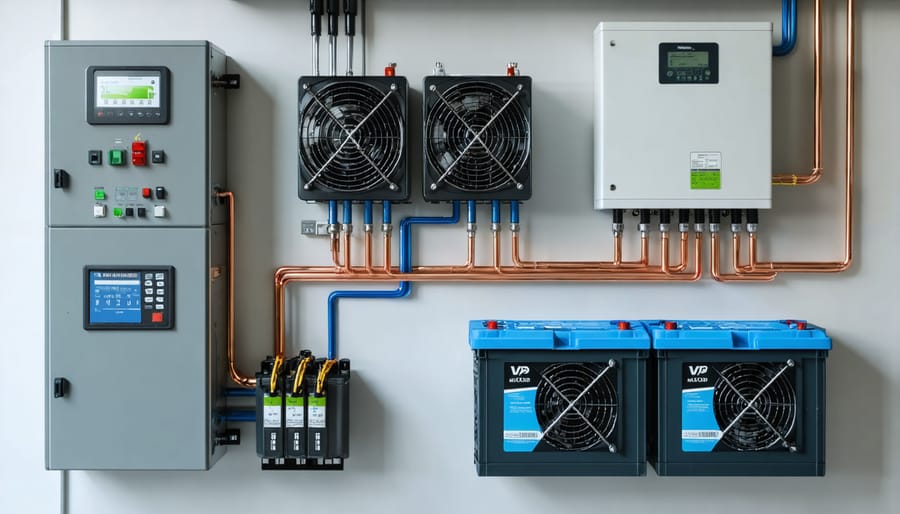
When installing a battery backup system, you’ll need more than just the battery itself. A crucial component is the inverter, which converts the DC power stored in your battery to AC power that your home can use. You’ll typically need either a hybrid inverter (also called a battery-ready inverter) or a separate battery inverter, which can cost between $1,500 to $4,000.
Most systems also require an automatic transfer switch ($500-$1,000) to seamlessly transition between power sources during outages. A battery monitoring system ($200-$500) helps you track performance and energy usage in real-time.
Don’t forget about mounting hardware and safety equipment. You’ll need a proper battery enclosure ($300-$600), especially for outdoor installations, and various electrical components like conduit, wiring, and disconnects ($400-$800).
Professional installation requires a specialized battery mounting area that’s temperature-controlled and well-ventilated. If you need to modify your garage or create a dedicated space, this could add $500-$1,500 to your project costs. These additional components typically account for 20-30% of your total system cost.
Average Cost Breakdown
Equipment Costs
When it comes to battery backup systems for your solar installation, the equipment costs make up the largest portion of your investment. A typical lithium-ion battery system ranges from $5,000 to $15,000 per unit, with premium models from manufacturers like Tesla and LG reaching up to $20,000.
The core components that influence your equipment costs include:
– Battery units: $5,000-$15,000 each
– Inverter system: $1,500-$4,000
– Battery management system: $500-$2,000
– Smart monitoring equipment: $300-$800
– Installation hardware: $200-$600
Most homes require between 10-20 kWh of storage capacity for basic backup needs. To achieve this, you might need one or two battery units depending on their individual capacity. For example, a Tesla Powerwall offers 13.5 kWh of storage in a single unit, while other manufacturers might require multiple smaller units to reach the same capacity.
Keep in mind that prices can vary significantly based on brand, capacity, and features. While it might be tempting to opt for lower-cost alternatives, investing in quality equipment from reputable manufacturers often provides better long-term value through improved efficiency, longer lifespan, and more reliable warranty coverage.
Remember to factor in potential volume discounts if you’re installing multiple units, as many manufacturers offer better pricing for larger systems.
Installation and Labor
Installing a backup battery system requires professional expertise to ensure safety and optimal performance. The installation costs typically range from $1,500 to $3,500, depending on various factors such as system complexity, location, and local labor rates.
A standard installation usually takes 4-8 hours and involves mounting the battery, connecting it to your existing solar system, installing a transfer switch, and setting up the battery management system. If your electrical panel needs upgrading or you require additional wiring, this can add several hours and increase costs.
Location plays a significant role in labor costs. Urban areas generally have higher rates than rural locations, and some regions may require special permits or inspections, adding to the overall expense. Your home’s layout can also impact costs – batteries installed in easily accessible areas like garages cost less than those requiring complex mounting solutions or long cable runs.
Most installers include system programming and basic user training in their installation package. However, additional services like custom programming for specific backup scenarios or advanced monitoring setup might incur extra charges.
To ensure the best value, obtain quotes from multiple certified installers and ask about their experience with your specific battery model. Many companies offer package deals that combine battery purchase with installation, potentially saving you money compared to separate services.
Remember that proper installation is crucial for system performance and warranty coverage, so it’s worth investing in qualified professionals rather than attempting DIY installation.
Factors Affecting Your Total Investment
Home Energy Requirements
Calculating your home’s backup power requirements is a crucial first step in choosing the right battery system. Start by listing all essential appliances and devices you’ll need during power outages. Common items include refrigerators, lighting, medical equipment, and communication devices.
To determine your daily energy needs, check the power rating (watts) of each device and multiply it by the hours of expected use. For example, a 60-watt refrigerator running for 24 hours uses 1.44 kilowatt-hours (kWh) daily. Add up these calculations for all devices to get your total daily backup power requirement.
Consider creating two lists: essential loads for basic grid failure protection, and comfort loads for extended backup duration. Most homeowners find their essential backup needs range from 5-15 kWh per day, depending on household size and energy habits.
Remember to factor in seasonal variations and peak usage times. Winter months might require more energy for heating, while summer cooling needs can spike your consumption. It’s recommended to add a 20% buffer to your calculations to account for unexpected usage and system inefficiencies.
Keep a detailed energy audit worksheet to track your calculations and adjust your estimates based on actual usage patterns over time.
Regional Differences
The cost of backup batteries for residential solar systems can vary significantly depending on your location within the United States. Homeowners in states like California, New York, and Massachusetts often benefit from generous state-level incentives that can reduce battery costs by 20-30%. These incentives work alongside the federal tax credit, making battery installation more affordable.
Climate also plays a crucial role in pricing. In regions with extreme temperatures, like Arizona or Alaska, you might need additional features for temperature regulation, which can increase costs by $1,000-$2,000. Coastal areas may require corrosion-resistant enclosures, adding another layer to the initial investment.
Labor costs vary by region too. Installation in urban areas like San Francisco or New York City typically costs 15-25% more than in rural regions, due to higher labor rates and stricter building codes. However, these areas often have more experienced installers and better support networks.
Some regions offer special programs through local utilities. For example, Green Mountain Power in Vermont provides subsidized Tesla Powerwall installations, while California’s Self-Generation Incentive Program (SGIP) can cover up to 85% of battery costs for qualifying households. Check with your local utility company, as many offer demand response programs that pay you for using your battery during peak hours, helping offset the initial investment.
Cost-Saving Opportunities
Tax Incentives and Rebates
The federal government offers a significant Investment Tax Credit (ITC) that covers both solar panels and battery storage systems. As of 2024, homeowners can claim up to 30% of their battery backup system costs as a tax credit, making the investment considerably more affordable.
Many states provide additional incentives for energy storage systems. For example, California’s Self-Generation Incentive Program (SGIP) offers rebates that can cover up to 20% of battery installation costs. States like Massachusetts and New York have similar programs with rebates ranging from $500 to $5,000 per installation.
Local utilities often provide additional rebates and incentives for battery storage systems, particularly when homeowners agree to participate in grid support programs. These programs may offer reduced electricity rates or direct cash incentives for allowing occasional access to stored energy during peak demand periods.
To maximize your savings, combine multiple incentives and consult with a qualified tax professional. Remember that incentive programs change frequently, so check with your local utility company and state energy office for the most current offerings.
Long-term Savings Potential
While the upfront cost of a backup battery system may seem substantial, the long-term savings potential makes it a worthwhile investment for many homeowners. A typical battery system can reduce your electricity bills by 30-60% through strategic energy management and peak-hour avoidance. When paired with a well-designed emergency solar system setup, homeowners can expect to break even on their investment within 5-7 years.
The savings come from multiple sources: storing excess solar energy for nighttime use, avoiding high time-of-use rates from utility companies, and reducing reliance on grid power during peak demand periods. Many utility companies also offer incentives and rebates for battery installations, further improving the return on investment.
For example, a household spending $200 monthly on electricity might save $100-120 per month with a battery system, resulting in annual savings of $1,200-1,440. These savings increase as utility rates rise, making battery backup systems an increasingly attractive investment for long-term energy independence.

Adding a backup battery to your solar system is a significant investment, but one that can provide invaluable peace of mind and energy independence. As we’ve explored, costs typically range from $8,000 to $15,000, with several factors influencing the final price, including battery capacity, brand choice, and installation requirements.
Remember that while the upfront costs may seem substantial, the long-term benefits often justify the investment. From protection against power outages to maximizing your solar energy usage and potentially reducing your electricity bills, a battery backup system can be a game-changer for your home’s energy setup.
Before making your decision, we recommend taking these next steps:
1. Get multiple quotes from certified installers in your area
2. Calculate your home’s specific energy needs
3. Research available incentives and tax credits in your region
4. Consider your future energy consumption patterns
5. Review warranty terms and maintenance requirements
Many homeowners find that starting with a smaller battery capacity and expanding later works well for their budget and needs. Whatever your choice, ensure you work with qualified professionals who can properly size and install your system.
Take time to evaluate your options, but don’t let analysis paralysis hold you back from energy independence. The sooner you invest in battery backup, the sooner you’ll start experiencing the benefits of a more resilient and sustainable home energy system.