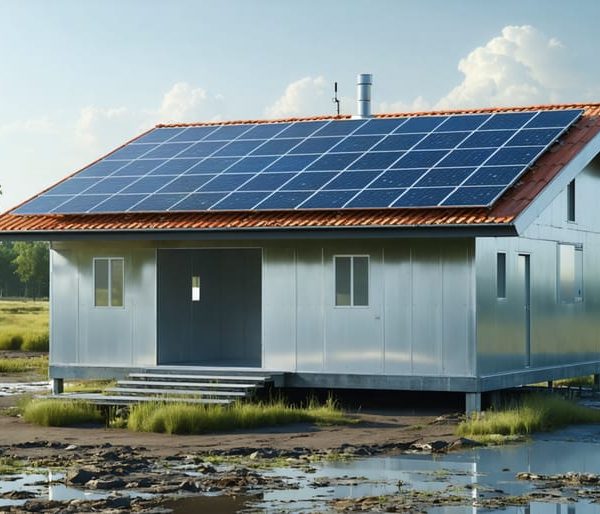
Solar Emergency Phone Charger That Could Save Your Life
When seconds count and power fails, a solar-powered emergency phone becomes your lifeline to the outside world. These innovative devices combine reliable communication technology with sustainable energy, ensuring you stay connected during storms, natural disasters, or extended power outages. Unlike traditional battery-powered backups that eventually die, solar emergency phones harness the sun’s energy to provide potentially unlimited standby time, offering peace of mind when conventional systems fail.
Recent advances in solar technology have made these devices more compact, efficient, and affordable than ever before. Modern solar emergency phones can fully charge within 4-6 hours of sunlight exposure and maintain power for weeks with minimal sun exposure. They’re equipped with essential features like built-in flashlights, emergency sirens, and weather alerts, transforming them from simple communication devices into comprehensive survival tools.
Whether you’re preparing for natural disasters, living off-grid, or simply seeking a reliable backup communication solution, a solar-powered emergency phone represents a smart investment in your safety and peace of mind.
Why Solar-Powered Emergency Phones Matter
Grid-Independent Communication
When traditional communication networks fail during emergencies, emergency solar power systems keep you connected. These autonomous devices operate independently of the power grid, using solar panels to convert sunlight into electrical energy that charges an internal battery. This stored power enables the phone to function during blackouts, storms, or natural disasters.
The system includes high-capacity batteries that store excess energy during sunny periods, ensuring reliable operation even during cloudy days or nighttime. Most solar emergency phones can maintain functionality for 72-96 hours without direct sunlight, thanks to efficient power management systems and low-energy consumption components.
Modern solar phones incorporate backup charging methods, such as hand cranks or USB ports, providing additional reliability when sunlight is limited. This redundancy, combined with weather-resistant construction and minimal maintenance requirements, makes solar-powered emergency phones an essential tool for crisis preparedness.

Disaster Preparedness Essential
During natural disasters like hurricanes or earthquakes, when traditional power grids fail, solar emergency phones become lifelines. Take Hurricane Maria in Puerto Rico, where communities relied on solar-powered communication stations to coordinate rescue efforts and connect with loved ones. Similarly, during California’s wildfire evacuations, solar emergency phones helped residents stay informed about evacuation routes and emergency updates when cellular networks were down.
These devices prove invaluable in remote areas too. Mountain rescue teams use solar emergency phones as reliable backup communication tools, ensuring they can call for support even after traditional batteries die. In developing regions, where power infrastructure is unstable, solar phones serve as dependable emergency contact points for entire communities.
For homes and businesses in storm-prone areas, having a solar emergency phone means never losing touch with emergency services, weather updates, or family members during extended power outages. It’s a crucial part of any comprehensive emergency preparedness plan, providing peace of mind when conventional systems fail.
Choosing the Right Solar Emergency Phone System
Essential Features to Look For
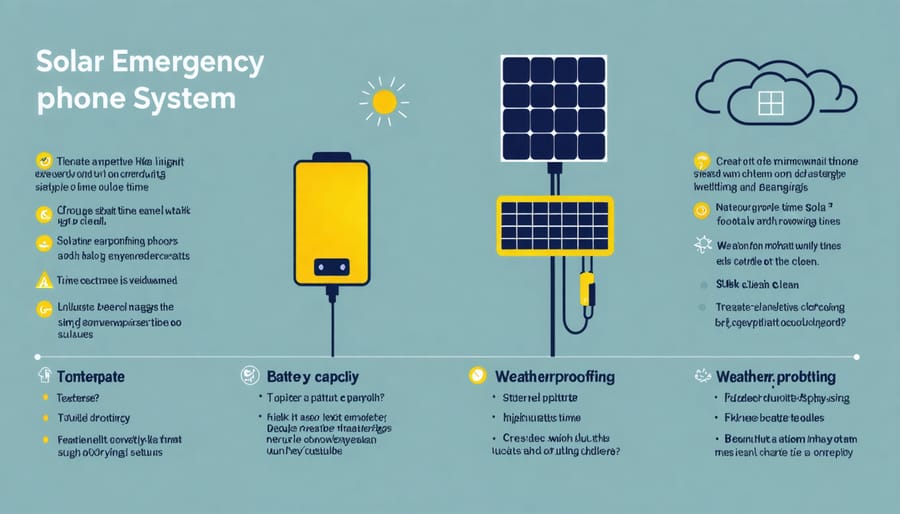
When selecting a solar-powered emergency phone, several key features can make the difference between reliable communication and frustration during critical situations. Battery capacity should be your primary consideration – look for devices with at least 5000mAh, which can provide multiple days of basic phone use. The solar panel’s efficiency rating is equally crucial; aim for panels with at least 20% conversion efficiency to ensure effective charging even in less-than-ideal conditions.
Water resistance is non-negotiable for emergency devices, so choose phones with a minimum IP67 rating for protection against rain and accidental submersion. Durability features like reinforced corners and shock-resistant casings are essential when building your solar emergency kit.
Look for devices with multiple charging options – besides solar panels, USB charging capability and hand-crank alternatives provide backup methods when sunlight is limited. Built-in emergency features such as LED flashlights, SOS signals, and FM radio receivers add valuable functionality during crisis situations.
The charging speed indicator and battery level display are practical features that help you monitor power status. Consider phones with low-power modes that can extend battery life when needed. Finally, ensure compatibility with your existing devices and check for any necessary adapters or converters before making your final choice.
Installation and Maintenance
Installing a solar-powered emergency phone is simpler than you might think. Start by choosing a location with maximum sun exposure, ideally facing south in the Northern Hemisphere. Ensure the spot is easily accessible but protected from severe weather conditions.
Begin the installation by mounting the solar panel at a 30-45 degree angle for optimal sunlight collection. Secure the mounting bracket firmly to a stable surface, whether it’s a wall or pole. Connect the solar panel to the charge controller, which regulates power flow to the battery.
Install the battery unit in a weatherproof enclosure, keeping it elevated from the ground to prevent water damage. Connect the emergency phone system to the battery, following the manufacturer’s wiring diagram. Double-check all connections before sealing the enclosure.
For maintenance, establish a quarterly inspection routine. Clean the solar panel surface with a soft cloth and mild soap solution to remove dust and debris. Check all wiring connections for signs of wear or damage. Test the battery capacity every six months and replace it every 3-5 years, depending on usage.
Monitor the system’s performance during different weather conditions. Keep a maintenance log to track cleaning dates, battery tests, and any repairs. During winter months, clear any snow accumulation from the solar panel to maintain efficiency.
Remember to conduct monthly test calls to ensure the system remains operational. This simple step can prevent unwelcome surprises during actual emergencies.
Making the Most of Your Solar Emergency Phone
Maximizing Solar Charging Efficiency
To get the most from your solar-powered emergency phone, proper positioning and timing are crucial. Place your solar panels in direct sunlight, ideally facing south in the Northern Hemisphere, and adjust the angle seasonally to maximize battery life and charging efficiency.
Clean your solar panels regularly to remove dust, leaves, and debris that can reduce charging performance. Even a thin layer of dirt can decrease efficiency by up to 25%. During emergency situations, aim to charge during peak sunlight hours (typically 10 AM to 2 PM) when solar intensity is strongest.
Keep your device in power-saving mode when possible by reducing screen brightness, turning off unnecessary features like Bluetooth and GPS, and closing background apps. Consider using airplane mode while charging to speed up the process.
Store your solar charger in a waterproof, protective case when not in use, and check the charging cables regularly for wear and tear. For optimal performance in emergencies, maintain a partial charge in your backup battery rather than letting it completely drain.
Remember that charging times may vary depending on weather conditions and season. Having a backup charging solution, such as a small portable battery bank, can provide additional peace of mind during extended emergency situations.
Emergency Usage Guidelines
During emergencies, your solar-powered emergency phone can be a vital lifeline. To maximize its effectiveness, always keep the device charged to at least 80% capacity through regular exposure to sunlight. When severe weather is forecast, ensure the phone is fully charged as a precautionary measure.
Store your emergency phone in an easily accessible location that all family members know about. Consider keeping it in a waterproof container along with other emergency supplies. If possible, maintain a backup solar charger to ensure continuous power availability during extended emergencies.
When using the phone during an emergency, conserve battery life by:
– Making only essential calls
– Keeping conversations brief and focused
– Using text messages when possible (they consume less power)
– Turning off unnecessary features like Bluetooth and GPS
– Reducing screen brightness
If you’re in an area with weak signal strength, move to higher ground or near windows where reception might be better. Remember that solar-powered phones may charge more slowly in overcast conditions, so plan accordingly during emergency situations.
Test your device monthly by making a test call and checking the solar charging functionality. This ensures everything works properly when you need it most. Keep emergency contact numbers stored in the phone’s memory, and consider having a printed backup list in case of device failure.
Real User Experiences
Sarah Thompson, a homeowner in Florida, shared her experience after Hurricane Ian: “Our solar emergency phone was a lifeline when we lost power for five days. While our neighbors struggled to communicate, we maintained contact with emergency services and family members. The solar charger kept our emergency phone powered throughout the ordeal.”
In California, the Martinez County Park Service installed solar emergency phones along remote hiking trails. Park ranger David Chen reports: “These phones have already helped save three lost hikers this year. Even in areas with no traditional power infrastructure, visitors can count on these devices to work reliably.”
Business owner Maria Rodriguez implemented solar emergency phones at her remote construction sites. “We’ve seen a 40% reduction in communication disruptions during power outages. The initial investment paid for itself within the first year, especially during storm season when traditional power lines were down.”
The Greenwood Community Center in Texas uses their solar emergency phone as part of their disaster preparedness plan. “During the 2021 winter storm, our solar emergency phone was the only working communication device in the neighborhood,” says facility manager James Wilson. “It became a community resource, helping dozens of families contact emergency services and loved ones.”
These real-world examples demonstrate how solar emergency phones provide reliable communication when traditional systems fail, offering peace of mind and essential connectivity during critical situations.
Solar-powered emergency phones represent a crucial investment in your safety and peace of mind. By combining reliable solar technology with essential communication capabilities, these devices ensure you stay connected when traditional power sources fail. We’ve explored how these systems work, their key benefits, and important considerations for selection and maintenance. Remember, emergency preparedness isn’t just about having the right equipment – it’s about ensuring that equipment is always ready when you need it most. By investing in a solar-powered emergency phone and following proper maintenance procedures, you’re taking a significant step toward protecting yourself and your loved ones during emergencies. Take action today to enhance your emergency preparedness plan with this sustainable, reliable communication solution. Your future self will thank you for making such a wise and forward-thinking choice.