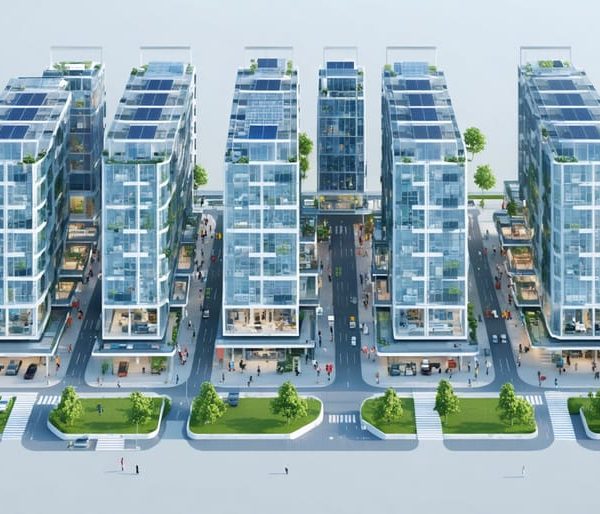
Solar-Powered Parks Transform Urban Living (And Save Cities Money)
Urban public spaces define the heart and soul of our cities, serving as crucial meeting points where community, culture, and daily life intersect. In an era of rapid urbanization, these shared environments have evolved from simple gathering spots into dynamic hubs that shape our collective urban experience.
From bustling downtown plazas to neighborhood parks and pedestrian corridors, well-designed public spaces do more than provide aesthetic value – they strengthen social bonds, boost local economies, and enhance quality of life for city residents. Studies show that thoughtfully planned public spaces can reduce crime rates by up to 40% while increasing adjacent property values by as much as 20%.
Modern urban spaces are increasingly incorporating sustainable features, smart technology, and inclusive design principles to meet the diverse needs of urban populations. Solar-powered lighting, water-efficient landscaping, and flexible seating arrangements are transforming traditional spaces into environmentally conscious gathering spots that serve multiple purposes throughout the day.
As cities worldwide face challenges like climate change, social isolation, and population density, innovative public spaces offer solutions by creating green oases, fostering community connections, and providing essential breathing room in our concrete jungles. These spaces aren’t just amenities – they’re vital infrastructure that shapes how we live, work, and interact in the urban landscape.
How Solar Technology Revolutionizes Public Spaces
Smart Solar Lighting Systems
Modern solar lighting systems are revolutionizing our urban spaces, making them safer, more sustainable, and energy-efficient. These smart systems combine solar panels, LED lights, and motion sensors to provide reliable illumination while minimizing environmental impact and reducing operational costs.
Today’s solar lights feature advanced photovoltaic cells that efficiently capture sunlight during the day, storing energy in high-capacity batteries for nighttime use. What makes these systems truly “smart” is their ability to adjust brightness based on natural light conditions and foot traffic patterns. Motion sensors activate brighter illumination when people are nearby, conserving energy during quiet periods.
Installation is straightforward, with many systems requiring no complex wiring or grid connection. Most units come with sturdy poles and mounting hardware designed to withstand various weather conditions. The lights automatically switch on at dusk and off at dawn, requiring minimal maintenance beyond occasional panel cleaning.
Cities worldwide are embracing these solutions for parks, pedestrian pathways, and community gathering spaces. The benefits extend beyond energy savings – improved visibility enhances public safety, while the modern designs complement urban aesthetics. Some systems even include Wi-Fi hotspots and emergency call buttons, transforming simple light poles into smart city infrastructure hubs.

Interactive Solar Features
Modern urban spaces are embracing solar-powered amenities that combine sustainability with convenience. Solar charging stations, strategically placed in parks and plazas, offer free device charging through USB ports and wireless charging pads, powered entirely by the sun. These stations often feature comfortable seating areas, encouraging social interaction while waiting for devices to charge.
WiFi hubs powered by solar panels are transforming public spaces into connected environments. These installations typically include small solar arrays that power reliable internet connectivity throughout the day, with battery backup for after-dark operation. The best part? They operate completely off-grid, reducing strain on municipal power systems.
Interactive information kiosks with solar-powered displays provide real-time updates about local events, weather, and transit schedules. These smart terminals often include features like wayfinding maps, emergency assistance buttons, and digital bulletin boards for community announcements. Some advanced kiosks even monitor air quality and foot traffic patterns, helping city planners make data-driven decisions about urban space management.
These solar features create engaging, sustainable gathering spots while demonstrating renewable energy’s practical applications in everyday life.
Real Benefits for Cities and Citizens
Cost Savings and Energy Independence
Installing solar-powered features in urban public spaces delivers substantial financial benefits while promoting energy independence. Cities implementing these solutions typically see a 40-60% reduction in electricity costs within the first year alone. When combined with proper solar energy efficiency measures, these savings can climb even higher.
Public spaces powered by solar energy become self-sustaining nodes in the urban grid, reducing dependency on traditional power sources and providing resilience during outages. For example, solar-powered parks in Portland, Oregon, saved the city approximately $35,000 annually in energy costs while maintaining essential lighting and security systems during power disruptions.
The financial advantages extend beyond direct energy savings. Solar-powered public spaces often qualify for government incentives, tax rebates, and sustainability grants. These funding opportunities can offset initial installation costs by 30-50%, making the transition more accessible for municipalities of all sizes.
Moreover, these spaces generate excess power during peak sunlight hours, which can be stored or fed back into the grid. This energy exchange creates additional revenue streams through net metering programs, where cities can sell surplus power back to utility companies, further offsetting operational costs and creating a sustainable funding model for public space maintenance.

Environmental Impact
Well-designed urban public spaces play a crucial role in reducing a city’s environmental footprint. By incorporating green infrastructure and sustainable design principles, these spaces help combat urban heat islands, improve air quality, and manage stormwater runoff effectively.
Trees and vegetation in public spaces naturally filter air pollutants, absorbing carbon dioxide and releasing oxygen. A single mature tree can absorb up to 48 pounds of carbon dioxide annually, making urban green spaces vital carbon sinks. Additionally, strategic placement of trees provides natural shade, reducing the need for artificial cooling in nearby buildings and lowering energy consumption.
Permeable pavements and rain gardens in public spaces help manage stormwater naturally, reducing the burden on municipal drainage systems and preventing flooding. These features allow rainwater to seep into the ground, replenishing groundwater levels and filtering pollutants naturally.
Many modern public spaces now incorporate renewable energy solutions, such as solar-powered lighting and charging stations. These innovations not only reduce operational costs but also serve as educational tools, demonstrating sustainable practices to the public.
By creating pedestrian-friendly zones and incorporating bicycle infrastructure, urban public spaces encourage sustainable transportation methods, reducing vehicle emissions. Furthermore, community gardens and green spaces in urban areas promote local food production, reducing transportation-related carbon emissions and fostering environmental awareness among residents.
The cumulative impact of these sustainable features makes urban public spaces essential contributors to a city’s environmental goals and climate action plans.
Success Stories: Solar Spaces in Action

Urban Parks Transformation
Several urban parks across the globe have embraced solar technology, transforming traditional green spaces into sustainable energy hubs while maintaining their recreational appeal. New York’s Brooklyn Bridge Park stands as a shining example, where solar-powered LED lighting illuminates evening activities while cutting energy costs by 60%. The park’s solar installations blend seamlessly with the landscape, proving that renewable energy can enhance rather than detract from public spaces.
In Melbourne, Australia, the Royal Park features solar-powered water irrigation systems and information kiosks that operate entirely off-grid. These innovations have reduced the park’s carbon footprint while providing educational opportunities for visitors about renewable energy.
Chicago’s Millennium Park showcases how solar technology can power both practical needs and artistic elements. The park’s famous Cloud Gate sculpture is lit by solar-powered LED fixtures, while nearby charging stations allow visitors to power their devices using clean energy.
Singapore’s Gardens by the Bay takes solar integration to new heights with its Supertree Grove. These iconic structures collect solar energy to power light shows and maintain the park’s operations. The trees serve as vertical gardens while generating enough electricity to run their night illumination, making them perfect examples of how functionality and aesthetics can work together in public spaces.
These successful transformations demonstrate how urban parks can become more sustainable while enhancing visitor experience and community engagement.
Community Response and Usage
Recent surveys across major urban centers reveal overwhelmingly positive responses to revitalized public spaces. In New York’s Bryant Park, foot traffic increased by 42% after the installation of solar-powered amenities and green spaces, with 89% of visitors reporting improved satisfaction with the area. Similar success stories have emerged from community solar initiatives in Chicago’s Millennium Park, where daily visitor counts doubled following sustainable infrastructure upgrades.
Social media analysis shows a 156% increase in positive mentions and photo sharing from transformed urban spaces, indicating strong public approval. Local businesses near these renovated areas report an average 27% increase in customer traffic, particularly during evening hours when solar-powered lighting creates a welcoming atmosphere.
Resident surveys indicate that 78% of people living near upgraded public spaces spend more time outdoors, with 63% reporting improved mental well-being. Children’s outdoor activity in these areas has increased by 45%, while senior citizens report feeling 34% safer during evening walks.
The usage patterns show peak activities during previously underutilized hours, suggesting these spaces now serve communities more effectively throughout the day. Weekend gatherings have increased by 67%, with community events and informal meetups becoming more frequent, fostering stronger neighborhood connections and social cohesion.
Implementation Guidelines for Cities
Planning and Design Considerations
When designing solar-powered public spaces, careful consideration of multiple factors ensures optimal performance and community benefit. The integration of solar technology into sustainable urban infrastructure requires thoughtful planning that balances functionality with aesthetics.
Location analysis is crucial, starting with a thorough solar assessment to determine the best placement of panels and equipment. Designers must evaluate shade patterns throughout the day and seasons, ensuring maximum sun exposure for solar installations. The space’s orientation and surrounding buildings can significantly impact energy generation potential.
User comfort remains paramount, requiring strategic placement of seating areas, walkways, and gathering spaces. Smart design incorporates natural and solar-powered lighting for safety and ambiance while considering how these elements integrate with existing architecture and landscaping.
Weather resilience is another key consideration. Solar installations must withstand local climate conditions, from heavy rain to strong winds. This includes selecting appropriate materials and implementing proper drainage systems to protect both the solar equipment and public space users.
Community needs should drive the design process. Public engagement helps identify desired amenities like charging stations, WiFi hotspots, or interactive displays powered by solar energy. The space should be accessible to all community members and adapt to various uses throughout the day.
Maintenance requirements need careful planning too. Easy access to solar panels for cleaning and repairs, durable materials that minimize upkeep, and clear operational guidelines ensure the space remains functional and attractive for years to come.
Maintenance and Long-term Management
Regular maintenance and proper management are crucial for keeping urban public spaces vibrant, safe, and welcoming for everyone. A well-maintained public space not only attracts more visitors but also contributes to the community’s overall well-being and property values.
Daily maintenance should include trash collection, cleaning of seating areas, and inspection of lighting fixtures. Seasonal tasks involve landscape maintenance, such as pruning trees, maintaining green spaces, and checking irrigation systems. During winter months, ensuring walkways are clear of snow and ice is essential for public safety.
Long-term management requires a strategic approach. Establish a dedicated maintenance schedule and budget that accounts for routine upkeep, repairs, and periodic upgrades. Consider implementing a digital maintenance tracking system to monitor tasks and schedule preventive maintenance efficiently.
Community involvement plays a vital role in sustainable management. Encourage local residents to report issues through user-friendly platforms or mobile apps. Some cities have successfully implemented “adopt-a-space” programs where community groups help maintain specific areas, fostering a sense of ownership and pride.
Regular safety audits should be conducted to identify potential hazards and ensure all amenities meet current safety standards. This includes checking playground equipment, examining surface materials, and verifying the stability of structures.
Infrastructure elements like benches, lighting fixtures, and waste bins should be inspected quarterly for wear and tear. Replace or repair damaged items promptly to prevent further deterioration and maintain the space’s aesthetic appeal.
Sustainable maintenance practices, such as using eco-friendly cleaning products and water-efficient irrigation systems, help reduce environmental impact while keeping operating costs manageable.
As we look to the future of our cities, solar-powered urban spaces represent more than just a trend – they’re becoming an essential component of sustainable urban development. The integration of solar technology into public spaces has proven to be both environmentally beneficial and economically sound, creating vibrant community areas that generate their own clean energy.
Cities worldwide are increasingly recognizing that solar-powered public spaces offer a powerful solution to multiple urban challenges, from reducing carbon footprints to creating more resilient infrastructure. The success stories we’ve seen in places like Singapore’s Gardens by the Bay and Copenhagen’s solar-powered parks demonstrate that these innovations can transform urban landscapes while inspiring community engagement.
Looking ahead, we can expect to see more cities embracing solar-powered solutions in creative ways – from solar canopies over playgrounds to energy-generating walkways in parks. The technology continues to improve, becoming more efficient and aesthetically pleasing, making it easier for cities to implement these solutions without compromising on design.
Now is the time for cities to take action. By investing in solar-powered public spaces, municipalities can create sustainable environments that benefit both current and future generations. Whether it’s starting with a small solar-powered plaza or developing a comprehensive city-wide plan, every step toward solar integration helps build more sustainable, livable cities.
Let’s embrace this solar revolution in our urban spaces – the technology is ready, the benefits are clear, and our cities are waiting to be transformed.