

Solar Success: Essential Infrastructure Your Local Project Needs
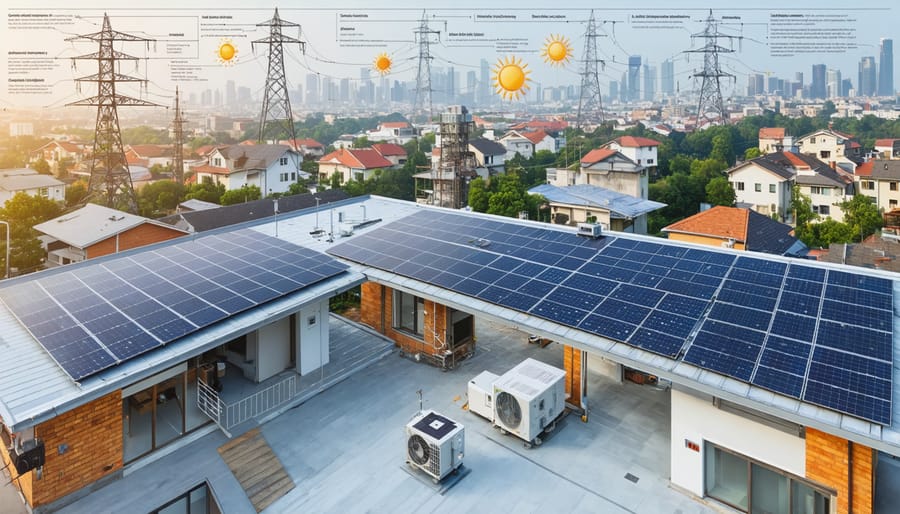
Transforming sunlight into reliable power demands more than just solar panels – it requires a carefully planned infrastructure ecosystem that makes or breaks your solar installation’s success. From robust mounting systems anchored to your roof to sophisticated inverters that convert DC power into usable AC electricity, each component plays a critical role in creating a dependable renewable energy system.
Today’s solar installations blend cutting-edge technology with time-tested infrastructure principles, creating systems that can power everything from single-family homes to massive commercial complexes. Whether you’re considering rooftop panels or a ground-mounted array, understanding these fundamental infrastructure requirements ensures your solar investment delivers maximum value and performance.
This comprehensive guide explores the essential components, from structural support systems to electrical integration requirements, that form the backbone of every successful solar installation. We’ll examine how proper infrastructure planning addresses key challenges like weather resistance, maintenance accessibility, and grid connection while meeting local building codes and safety standards. By mastering these foundational elements, you’ll be better equipped to plan, implement, and maintain a solar energy system that delivers clean, reliable power for decades to come.
Physical Infrastructure Requirements
Ground Preparation and Mounting Systems
Before installing solar panels, proper ground preparation and selecting the right mounting system are crucial steps that can significantly impact your system’s performance and longevity. Start by conducting a thorough site assessment to evaluate soil conditions and terrain. The ground should be level and stable, with good drainage to prevent water accumulation.
For ground-mounted systems, you’ll need to create a solid foundation. This typically involves installing concrete footings or driven piles that extend below the frost line. The depth and size of these foundations depend on local soil conditions and climate factors. In areas with sandy soil, deeper foundations may be necessary to ensure stability.
There are several mounting options available, each suited to different scenarios. Fixed-tilt systems are the most common and cost-effective choice for residential installations. These systems maintain a constant angle, optimized for your location’s latitude. Alternatively, single-axis tracking systems follow the sun’s daily path, increasing energy production by 25-35%, though they require more maintenance.
For commercial installations, ballasted mounting systems are popular as they don’t require ground penetration. These systems use heavy weights to secure the array, making them ideal for flat surfaces where drilling isn’t feasible.
Remember to consider local wind loads, snow accumulation, and seismic activity when selecting your mounting system. Working with a certified installer will ensure your foundation and mounting system meet all local building codes and safety requirements.
Electrical Integration Components
The heart of any solar installation lies in its electrical integration systems, which connect your solar panels to your home’s power supply. At the core of this setup is the inverter, which transforms the DC power generated by your solar panels into usable AC power for your home. Think of it as the conductor of your solar orchestra, ensuring all components work in perfect harmony.
Your system’s wiring needs to be carefully selected and installed to handle the specific voltage and current requirements of your setup. Heavy-duty copper wiring is typically used, protected by weatherproof conduits to ensure longevity and safety. The main service panel, often called the breaker box, serves as the central hub where solar power integrates with your existing electrical system.
Connection points are another crucial element. These include disconnect switches, which allow you to safely cut power for maintenance, and monitoring systems that help you track your energy production and consumption. Many modern systems include smart meters that provide real-time data right to your phone.
Remember, while this might sound complex, licensed electricians handle most of these technical aspects during installation. Your role is understanding the basics to make informed decisions and ensure proper maintenance of your system.

Local Sourcing Requirements
Material Procurement Guidelines
When planning your solar energy infrastructure, strategic material procurement plays a vital role in both cost management and environmental responsibility. Understanding local sourcing regulations is essential to ensure your project complies with regional requirements while maximizing available incentives.
Start by creating a comprehensive list of required materials, including solar panels, mounting hardware, inverters, and electrical components. Prioritize suppliers within your region who maintain certification from recognized authorities like the International Organization for Standardization (ISO) or local regulatory bodies. This approach not only supports your local economy but often results in faster delivery times and reduced transportation costs.
Quality assurance should be your top priority when selecting materials. Look for products that carry relevant certifications such as UL listing for electrical components and IEC certification for solar panels. Request documentation of material testing and performance ratings before making purchasing decisions.
Consider establishing relationships with multiple suppliers to ensure steady material availability and competitive pricing. Many successful solar installations rely on a mix of local and national suppliers to maintain optimal cost-effectiveness while meeting compliance requirements.
Don’t forget to factor in warranty terms and after-sale support when selecting suppliers. The best vendors offer comprehensive warranty coverage and maintain detailed documentation of material specifications, which you’ll need for permit applications and future maintenance records.
Remember to verify that all materials meet your local building codes and safety standards. Working with experienced local suppliers can help navigate these requirements effectively while ensuring your project’s long-term success.
Labor and Expertise Requirements
The successful implementation of solar energy systems requires a skilled workforce across various specializations. From initial site assessment to ongoing maintenance, trained professionals play a crucial role in ensuring optimal system performance and longevity.
Solar installers form the backbone of the workforce, requiring both technical expertise and safety training. These professionals must understand electrical systems, roofing techniques, and mechanical installation procedures. A typical installation team includes lead installers, electricians, and support technicians, each bringing specific skills to the project.
Project managers and system designers are essential for larger installations, coordinating between different teams and ensuring designs meet local regulations and client needs. They need experience in both technical aspects and project management, often requiring certifications from recognized institutions.
For ongoing operations, maintenance technicians must be available to conduct regular inspections, troubleshoot issues, and perform repairs. These professionals need specialized training in solar technology and safety protocols for working with high-voltage systems and at heights.
Local workforce development is crucial for supporting solar energy growth. Many regions now offer specialized training programs through technical schools and community colleges. These programs help create a qualified local workforce while providing employment opportunities for community members.
Quality training should cover:
– Solar panel installation techniques
– Electrical system integration
– Safety protocols and OSHA requirements
– System monitoring and maintenance
– Local building codes and regulations
Many solar companies also provide in-house training programs to ensure their teams stay current with the latest technologies and installation methods. This ongoing education is essential as solar technology continues to evolve rapidly.
Technical Support Infrastructure
Monitoring Systems
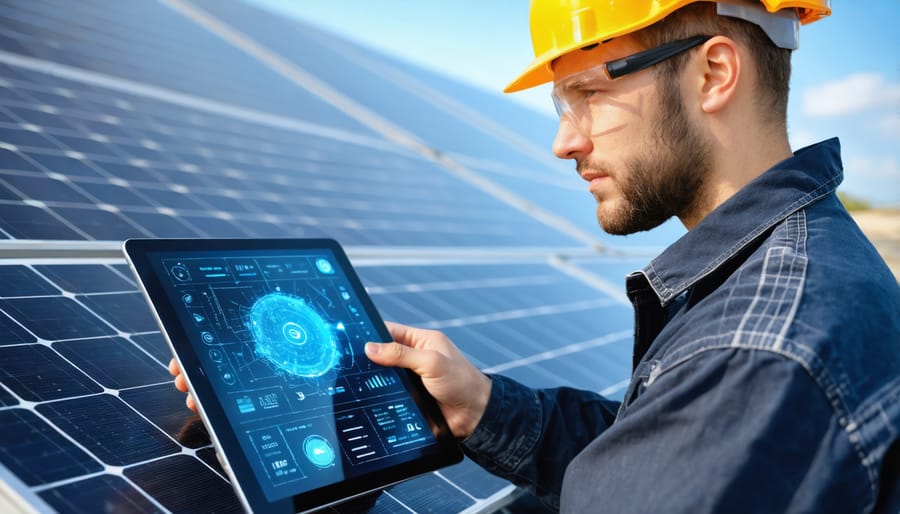
Modern solar installations rely heavily on sophisticated solar system performance monitoring equipment to ensure optimal energy production. These monitoring systems act as your solar installation’s dashboard, providing real-time data about energy generation, consumption patterns, and system health.
A basic monitoring setup includes power meters, data loggers, and weather sensors that track sunshine levels and temperature. Many systems now come with user-friendly mobile apps that let you check your system’s performance from anywhere, making it easier to spot potential issues before they become problems.
Key monitoring features to look for include:
– Daily and monthly energy production tracking
– Power consumption analysis
– Weather impact assessment
– Automatic fault detection
– Performance comparison tools
– Mobile notifications for system issues
For homeowners, these monitoring tools help maximize return on investment by identifying peak production times and optimizing energy usage patterns. Commercial installations benefit from detailed reporting capabilities that assist with maintenance scheduling and performance verification.
Modern monitoring systems can also integrate with smart home devices, allowing automated responses to changing energy conditions. For example, they can trigger your appliances to run during peak solar production hours, maximizing your use of solar-generated electricity.
Remember to regularly check your monitoring data and keep the software updated to maintain system efficiency and catch any performance issues early.
Maintenance Access
Proper maintenance access is crucial for the long-term performance and reliability of your solar energy system. When planning your installation, consider creating clear pathways that allow technicians to easily reach all components of your system. For rooftop installations, this means incorporating sturdy walkways between solar panel rows and ensuring adequate space for maintenance personnel to work safely.
Ground-mounted systems should include gravel or concrete pathways that provide year-round access, even in wet conditions. These paths should be wide enough to accommodate maintenance equipment and tools, typically at least 3 feet wide. Remember to keep vegetation trimmed around these access routes to prevent obstruction.
Include strategic access points for electrical components like inverters and junction boxes. These should be protected from the elements but readily accessible for routine inspections and emergency maintenance. For commercial installations, consider installing permanent safety equipment such as anchor points or guardrails to ensure technician safety during maintenance visits.
Don’t forget about storage spaces for maintenance tools and spare parts. Having a dedicated, weather-protected area near your installation can save valuable time during service calls. If your system includes battery storage, ensure there’s adequate ventilation and easy access for battery maintenance or replacement.
Consider installing monitoring systems with remote access capabilities, allowing technicians to diagnose issues before arriving on site, making maintenance visits more efficient and targeted.
Compliance and Documentation
Before installing solar panels, you’ll need to navigate through various permits and documentation requirements to ensure your project complies with local regulations. Start by checking with your local building department for specific requirements, as these vary by jurisdiction.
Most areas require a building permit, which typically involves submitting detailed plans of your solar installation. These plans should include structural calculations, electrical diagrams, and equipment specifications. Your solar installer can usually help prepare these documents, but it’s important to understand what’s needed.
You’ll also need to obtain electrical permits and possibly a dedicated solar permit. Many jurisdictions have streamlined their solar permitting processes to make it easier for homeowners and businesses to go solar. Remember to factor in inspection requirements – both during installation and after completion.
Working with your utility company is crucial. You’ll need an interconnection agreement, which allows your solar system to connect to the power grid. This agreement outlines technical requirements and safety protocols. Your utility may also require additional documentation for net metering programs.
To qualify for federal solar incentives and local rebates, you’ll need specific certifications and documentation. Keep detailed records of your equipment specifications, installation costs, and contractor credentials. Many incentive programs require your solar panels and inverters to be certified by recognized testing laboratories.
Insurance documentation is another crucial element. Contact your homeowner’s insurance provider to ensure your policy covers solar installations. Some insurers may require additional coverage or documentation of the installation’s compliance with safety standards.
Lastly, maintain a comprehensive file of all permits, inspections, warranties, and maintenance records. This documentation isn’t just for compliance – it’s valuable for future maintenance, warranty claims, and if you decide to sell your property.
As we’ve explored throughout this guide, implementing solar energy infrastructure requires careful planning, proper equipment selection, and adherence to local regulations. The good news is that with advancing technology and decreasing costs, solar power is becoming increasingly accessible for both homeowners and businesses.
Remember to start with a thorough site assessment, ensuring your location receives adequate sunlight and your roof or ground mounting area can support the installation. Working with certified installers and obtaining necessary permits will help ensure your system meets all safety and performance standards.
The key components we’ve discussed – solar panels, inverters, mounting systems, and storage solutions – must be selected based on your specific energy needs and budget. Regular maintenance and monitoring will help maximize your system’s efficiency and longevity.
Looking ahead, consider starting with a smaller system that can be expanded later as your needs grow. Connect with local solar communities and professionals who can provide guidance based on regional experience. Many utilities and governments offer incentives that can significantly reduce initial costs.
By taking these steps and staying informed about evolving technologies, you’re not just investing in your property – you’re contributing to a more sustainable future. The transition to solar energy may seem complex, but with proper planning and support, it’s an achievable and rewarding journey.


