

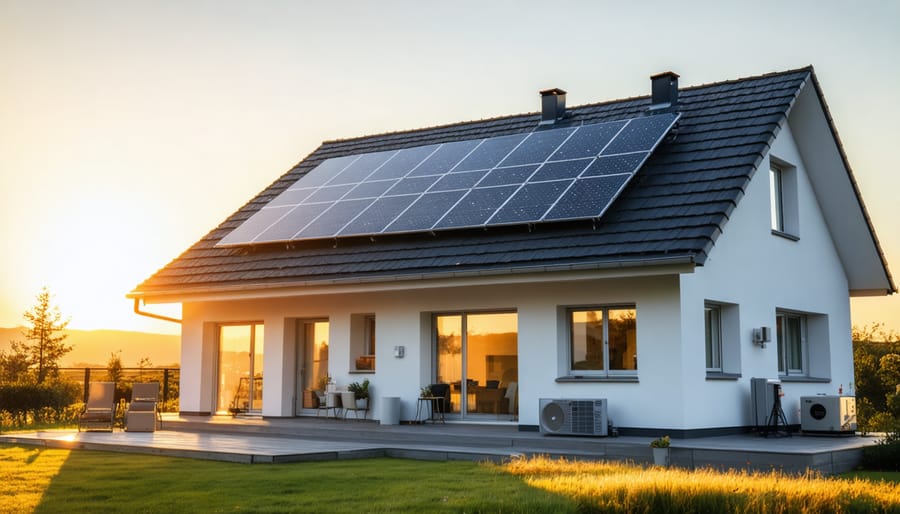
Solar-Powered Home Heating That Slashes Your Energy Bills
Transform your home’s energy landscape with a solar-powered heating system that harnesses the sun’s unlimited potential. As energy costs continue to rise and environmental concerns take center stage, solar-powered HVAC systems offer a sustainable solution that combines cutting-edge technology with practical home comfort.
Imagine capturing free solar energy to warm your living spaces while reducing your carbon footprint and monthly utility bills by up to 70%. These innovative systems work seamlessly with your existing heating infrastructure, using solar collectors to absorb sunlight and convert it into usable heat energy. Whether you’re retrofitting an older home or planning a new construction project, solar heating provides a smart investment that pays dividends in both comfort and cost savings.
The technology has evolved significantly, making solar heating more efficient and accessible than ever before. Modern systems can effectively maintain comfortable indoor temperatures even during cloudy days, thanks to advanced thermal storage solutions and intelligent control systems. For environmentally conscious homeowners seeking energy independence, solar-powered heating represents a practical step toward a more sustainable future.
How Solar Heating Systems Transform Sun into Warmth
Solar Collectors: Your Home’s Heat Gatherers
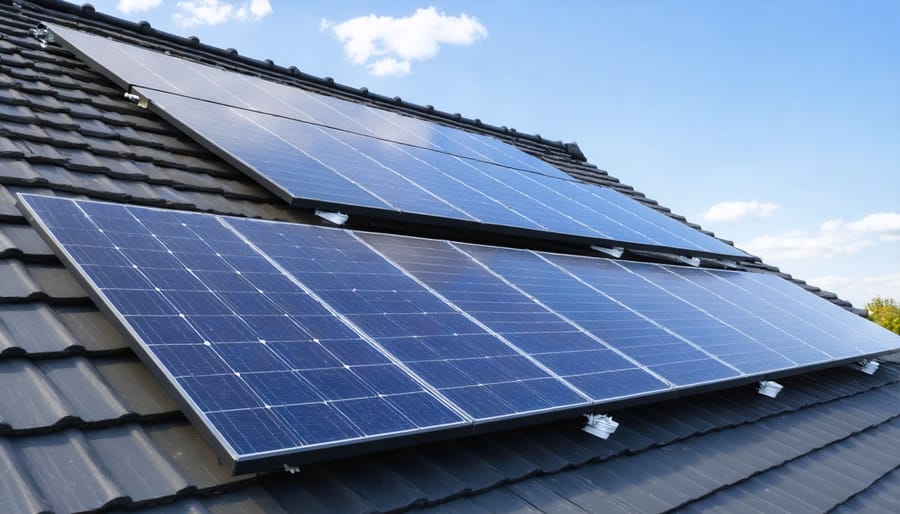
Solar collectors are the heart of modern solar heating technologies, working tirelessly to capture the sun’s energy and convert it into useful heat for your home. These innovative devices come in two main types: flat-plate collectors and evacuated tube collectors.
Flat-plate collectors are like large, specially designed windows that trap solar energy. They consist of a dark absorber plate beneath a glass cover, which creates a greenhouse effect to capture heat. These collectors are perfect for homes in moderate climates and are often more affordable to install.
Evacuated tube collectors take solar collection to the next level. Picture a row of glass tubes, each containing a smaller tube filled with heat-transfer fluid. The space between these tubes is vacuum-sealed, allowing for superior insulation and higher efficiency, even in colder climates or on cloudy days.
Both types can be mounted on your roof or installed in your yard, depending on your home’s layout and sun exposure. The key is positioning them to maximize sun exposure throughout the day, ensuring optimal heat collection for your home’s needs.
Heat Storage Solutions
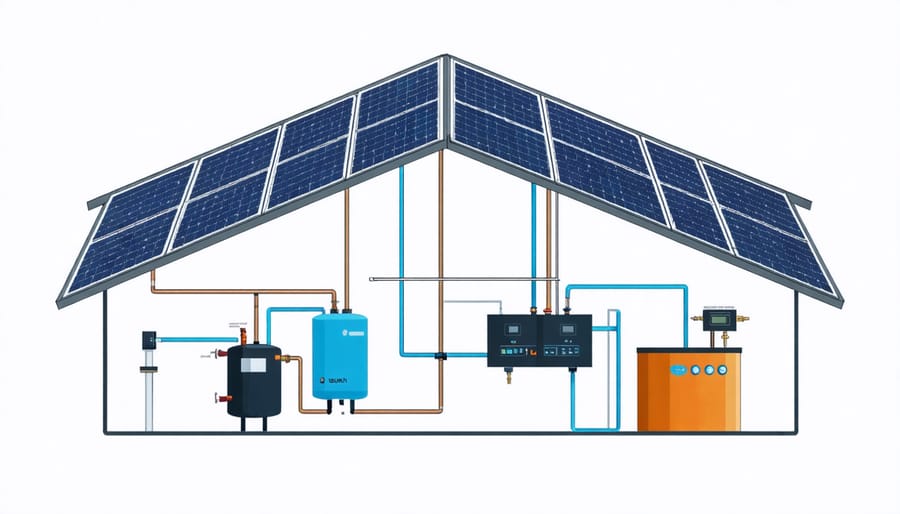
Heat storage is a crucial component of any solar-powered heating system, acting as your energy savings bank for cloudy days and nighttime use. The most common storage solution is a well-insulated water tank, which can retain heat for several days. These tanks work by storing excess heat generated during peak sunlight hours, ensuring you have warmth available when the sun isn’t shining.
For homeowners seeking maximum efficiency, phase change materials (PCMs) offer an innovative alternative. These special materials can store and release large amounts of heat while taking up less space than traditional water tanks. Think of them as compact heat batteries for your home.
Another popular option is using thermal mass materials like concrete or stone. These materials naturally absorb heat during the day and slowly release it at night, helping maintain steady indoor temperatures. Some systems combine multiple storage methods – for example, using both water tanks and thermal mass flooring – to create a more robust heating solution.
The key to successful heat storage is proper insulation. Good insulation ensures your stored heat stays available when needed, maximizing your system’s efficiency and reducing energy waste.
Real Benefits of Solar Heating for Your Home
Switching to solar heating for your home brings multiple advantages that extend far beyond just helping the environment. One of the most compelling benefits is the opportunity to reduce your electricity bills significantly, with many homeowners reporting savings of 50-70% on their heating costs within the first year of installation.
The environmental impact of solar heating is substantial. By harnessing the sun’s energy instead of relying on fossil fuels, a typical residential solar heating system can prevent up to 2.5 tons of carbon emissions annually – equivalent to planting about 40 trees. This reduction in your carbon footprint helps combat climate change while setting a positive example in your community.
Energy independence is another crucial advantage. Solar heating systems work even during power outages, ensuring your home stays warm when conventional heating systems might fail. This reliability is particularly valuable during extreme weather events or grid failures, providing peace of mind for your family’s comfort and safety.
The long-term financial benefits are equally impressive. While the initial investment might seem substantial, solar heating systems typically pay for themselves within 5-7 years through energy savings. Many homeowners also benefit from increased property values, with solar-equipped homes selling for 4-6% more than comparable properties without solar installations.
Maintenance requirements are surprisingly minimal. Modern solar heating systems are built to last, with most components carrying 20-25 year warranties. Unlike traditional heating systems that need regular service, solar heating requires only annual inspections and occasional cleaning to maintain peak performance.
Additionally, many regions offer tax incentives, rebates, and grants for installing solar heating systems, making the transition more affordable than ever. These financial incentives, combined with the system’s durability and efficiency, create a compelling case for homeowners looking to make a smart, sustainable investment in their property’s future.
Installing Your Solar Heating System
Site Assessment and Planning
Before installing a solar-powered heating system, it’s crucial to assess your property’s potential for solar energy collection. Start by examining your roof’s orientation – south-facing surfaces in the Northern Hemisphere typically receive the most sunlight throughout the day. Consider the roof’s angle, which ideally should be between 30-45 degrees for optimal solar absorption.
Evaluate any potential shading issues from nearby trees, buildings, or other structures that could reduce solar panel efficiency. Take note of your local climate patterns and annual sun exposure, as these factors significantly impact system performance. Modern solar heating systems can be integrated with smart home integration features for enhanced efficiency and control.
Professional solar assessors can provide detailed analysis using specialized tools to measure solar exposure and recommend the best placement for your system. They’ll also evaluate your current heating needs, available roof space, and structural integrity to ensure your property can support the installation. Local building codes and homeowner association regulations should be reviewed during this planning phase to avoid any compliance issues later.
Professional vs. DIY Installation
When it comes to installing a solar-powered heating system, you have two main options: professional installation or doing it yourself. Both approaches have their merits, and your choice should depend on your skill level, budget, and system complexity.
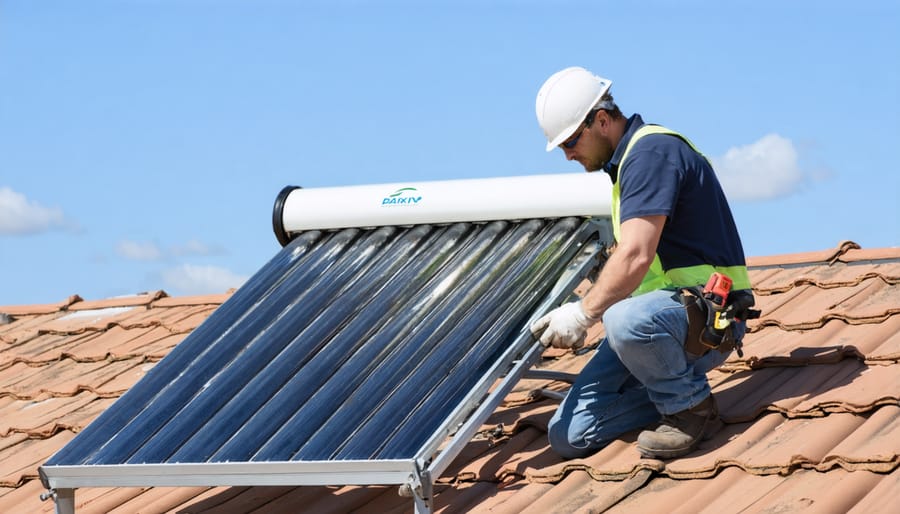
Professional installation offers several advantages. Certified installers bring expertise and experience, ensuring your system meets local building codes and safety standards. They handle all necessary permits, perform precise calculations for optimal panel placement, and typically offer warranties on their work. Professional installers can also identify potential issues before they become problems and often have access to higher-quality components through their supplier networks.
However, professional installation does come at a higher cost, typically adding 10-20% to your total project budget. The trade-off is peace of mind and guaranteed performance of your system.
DIY installation can significantly reduce costs and can be rewarding for those with technical skills. If you’re comfortable with basic electrical work, plumbing, and working at heights, you might consider this option. Many manufacturers now offer DIY-friendly kits with detailed instructions and support.
Before choosing DIY, consider these requirements:
– Technical knowledge of electrical and plumbing systems
– Physical ability to work on roofs and handle heavy equipment
– Understanding of local building codes and permit requirements
– Time commitment for research and installation
– Access to proper tools and safety equipment
For complex systems or if you’re unsure about any aspect of the installation, it’s better to invest in professional services. Remember, proper installation is crucial for system efficiency and longevity, regardless of which route you choose.
Maintaining Your Solar Heating System
Regular maintenance is key to keeping your solar heating system running efficiently for years to come. Start by inspecting your solar collectors every three months for dust, leaves, or debris that might block sunlight absorption. A gentle wash with water and mild soap, preferably during early morning or evening, will keep them clean and performing optimally.
Check your system’s pressure gauge monthly to ensure it maintains the recommended pressure level. If you notice any significant drops, this could indicate a leak that needs immediate attention. Monitor your heat transfer fluid levels and quality annually – if it appears darker or has particles, it’s time for a replacement.
Inspect all pipes and connections twice a year for signs of wear, corrosion, or loose fittings. Pay special attention to pipe insulation, as damaged insulation can significantly reduce system efficiency. Your storage tank should be checked annually for sediment buildup, which can be removed through flushing.
When troubleshooting common issues, start with the basics. If your system isn’t heating properly, check for:
– Blocked or dirty collectors
– Air in the system (indicated by gurgling sounds)
– Faulty pumps or controls
– Incorrect thermostat settings
– Leaks in piping
While many maintenance tasks can be handled independently, schedule professional inspections every two years. This ensures your system’s safety and optimal performance, potentially catching issues before they become major problems. Keep a maintenance log to track system performance and identify patterns that might indicate developing problems.
Remember, a well-maintained solar heating system can last 20+ years, making your initial investment even more worthwhile.
Solar-powered heating systems represent a significant step forward in our journey toward sustainable living and energy independence. By harnessing the sun’s abundant energy, these systems offer a clean, cost-effective solution for maintaining comfortable temperatures in our homes while reducing our carbon footprint.
Throughout this guide, we’ve explored how solar heating systems work, their various components, and the numerous benefits they provide – from substantial energy savings to increased property value. We’ve also addressed common concerns about installation, maintenance, and initial costs, demonstrating that the long-term advantages far outweigh the upfront investment.
The time to embrace solar heating technology is now. With improving technology, decreasing installation costs, and generous government incentives, there’s never been a better opportunity to make the switch. By choosing solar heating, you’re not just investing in your home’s future; you’re contributing to a cleaner, more sustainable planet for generations to come.
Take the first step today by consulting with a qualified solar installer to assess your property’s potential for solar heating. Your journey toward energy independence and sustainable living begins here.


