

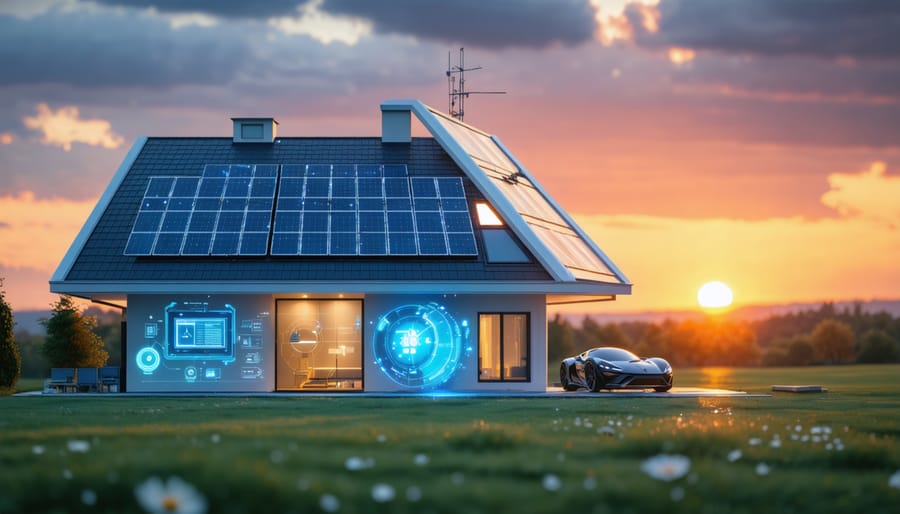
Solar Storage Breakthroughs That Actually Cut Your Energy Bills
Transform your energy future today with breakthrough storage technologies that revolutionize how we capture and use renewable power. As home solar power systems become increasingly sophisticated, advanced energy solutions now offer unprecedented control over your household’s power consumption and environmental impact.
Modern energy storage systems combine cutting-edge battery technology with smart management systems, enabling homeowners to store excess solar power for nighttime use, maintain power during outages, and even sell electricity back to the grid. These innovations have slashed installation costs by 60% over the past decade while doubling storage capacity and extending system lifespans to 15+ years.
Whether you’re considering a complete renewable energy overhaul or looking to optimize an existing setup, today’s storage solutions offer flexible, scalable options that adapt to your specific needs. From compact wall-mounted units perfect for urban homes to industrial-scale systems capable of powering entire commercial complexes, the technology has evolved to meet diverse energy demands while maintaining reliability and efficiency.
The future of energy independence is here – and it’s more accessible than ever before.
Modern Battery Technologies Transforming Home Solar
Lithium-Ion vs. Flow Batteries
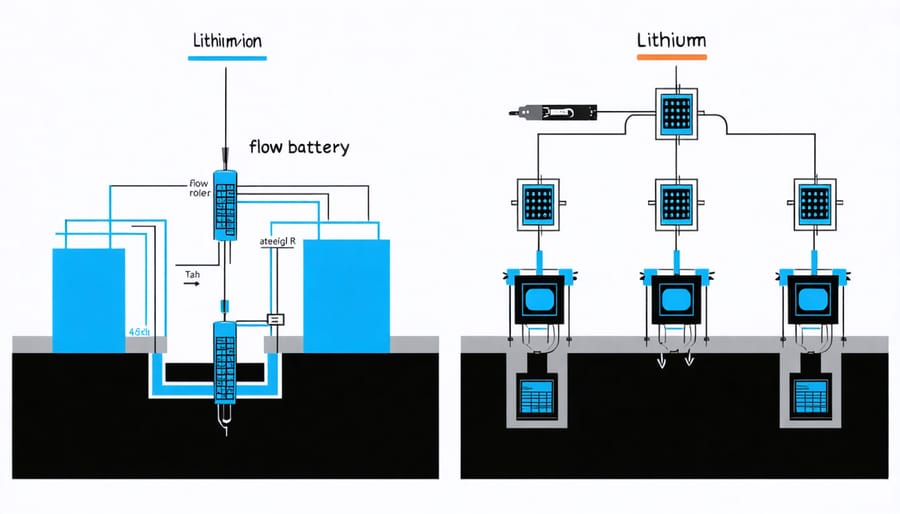
When it comes to modern energy storage, two technologies stand out: lithium-ion battery technology and flow batteries. Each offers unique advantages for different applications. Lithium-ion batteries excel in compact spaces and are perfect for home installations, thanks to their high energy density and proven track record. They’re the go-to choice for solar backup systems in residential settings, offering quick response times and minimal maintenance requirements.
Flow batteries, on the other hand, shine in large-scale commercial applications. Think of them as rechargeable batteries that store energy in liquid form. Unlike their lithium counterparts, flow batteries can be scaled up simply by using larger storage tanks. They’re particularly valuable for businesses needing long-duration storage, offering extended discharge times of 10+ hours.
What makes flow batteries special is their longer lifespan – they can last up to 20 years with minimal degradation. While they cost more upfront, their durability makes them cost-effective for commercial use. Lithium-ion systems typically last 10-15 years but offer better round-trip efficiency and take up less space.
For homeowners, lithium-ion remains the practical choice due to its compact size and lower initial cost. However, businesses with adequate space and long-term energy storage needs might find flow batteries more economical over time. The choice ultimately depends on your specific needs, space constraints, and budget considerations.
Smart Battery Management Systems
Smart Battery Management Systems (BMS) are the brains behind modern energy storage solutions, working tirelessly to ensure your batteries perform at their best while lasting longer. These intelligent systems monitor and control various aspects of your battery’s operation, from charging patterns to temperature regulation.
Think of a BMS as your battery’s personal guardian. It constantly tracks crucial parameters like voltage levels, charging cycles, and temperature. When your solar panels generate excess power during sunny days, the BMS optimizes how this energy is stored, ensuring each battery cell receives the right amount of charge. This prevents overcharging, which can significantly reduce battery life.
During periods of high energy demand, the BMS strategically releases stored power, prioritizing essential loads while maintaining reserve capacity for emergencies. It can even predict usage patterns based on your historical consumption, adjusting charging schedules to maximize efficiency and minimize energy costs.
Temperature management is another key feature. The system maintains optimal operating temperatures, automatically activating cooling systems when needed. This prevents thermal damage and extends battery life, protecting your investment.
Modern BMS solutions also offer user-friendly interfaces, usually through smartphone apps, allowing you to monitor performance in real-time. You can track energy production, storage levels, and consumption patterns, helping you make informed decisions about your energy usage while ensuring your system operates at peak efficiency.
Maximizing Your Solar Investment with Storage
Peak Shaving and Time-of-Use Optimization
In today’s dynamic energy landscape, peak shaving and time-of-use optimization have become powerful strategies to reduce your electricity costs. These advanced techniques leverage energy storage systems to help property owners avoid high-rate periods and maximize savings.
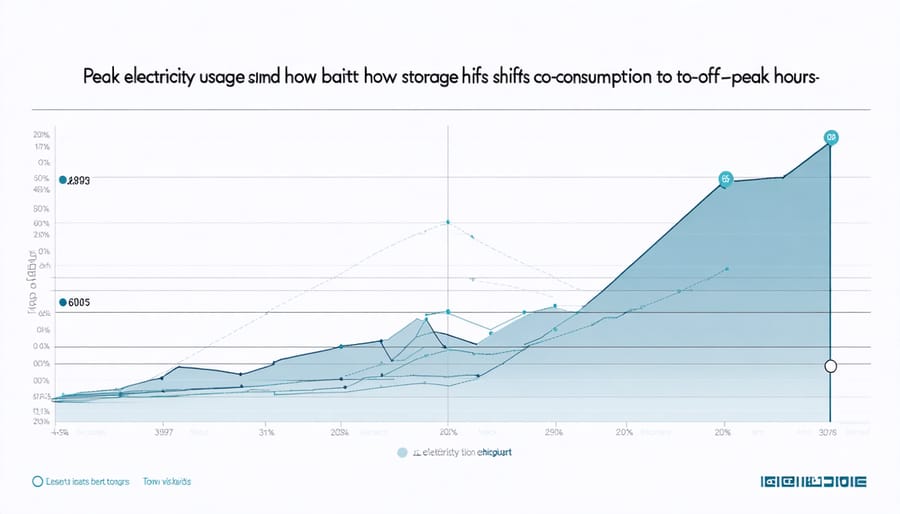
Peak shaving works by drawing power from your battery system during times of peak demand instead of relying on expensive grid electricity. Think of it as having a backup reservoir of energy that kicks in when rates are highest. For example, on hot summer afternoons when air conditioning usage spikes, your storage system can provide the extra power needed, helping you avoid costly demand charges.
Time-of-use optimization takes this concept further by automatically managing when you use stored energy. Modern storage systems are smart enough to learn your energy patterns and utility rate schedules. They charge the batteries when electricity is cheapest (typically at night) and discharge them when rates are highest (usually afternoon and early evening).
Here’s how a typical optimization cycle works:
– Overnight: System charges batteries using low-cost electricity
– Morning: Normal grid operation during moderate-rate periods
– Afternoon: Batteries provide power during expensive peak hours
– Evening: System gradually returns to grid power as rates decrease
The savings can be substantial. Many homeowners report 20-30% reductions in their monthly electricity bills after implementing these strategies. Commercial properties often see even greater benefits, with some businesses cutting their power costs by up to 50%.
What makes this approach particularly effective is its automated nature. Once configured, your energy storage system handles all the complex decisions about when to store and when to use power. You don’t need to monitor rates or manually switch between power sources – the system optimizes everything for maximum savings while maintaining reliable power supply.
Backup Power Solutions
In today’s uncertain energy landscape, backup power solutions have become essential for both homeowners and businesses seeking reliable, uninterrupted power supply. Modern storage systems offer more than just emergency backup – they provide a pathway to energy independence and significant cost savings.
Battery storage systems, particularly lithium-ion installations, form the backbone of contemporary backup power solutions. These systems seamlessly integrate with your existing power setup, automatically activating when grid power fails. During normal operation, they can store excess energy from solar panels or charge during off-peak hours, helping you optimize energy consumption and reduce utility bills.
For homeowners, a typical backup system includes a battery bank, power inverter, and smart controller. These components work together to ensure your essential appliances – refrigerators, medical equipment, heating systems, and lighting – continue running during outages. Many systems now come with user-friendly apps that let you monitor power usage and battery status from your smartphone.
Commercial properties benefit from larger-scale solutions that can power entire operations. These systems often incorporate multiple battery banks and sophisticated load management features to prioritize critical systems during outages. Some businesses even generate additional revenue by participating in demand response programs, where they can sell stored energy back to the grid during peak demand periods.
Installation is straightforward when working with certified professionals. They’ll assess your power needs, recommend appropriate system size, and handle necessary permits and utility connections. Most modern systems require minimal maintenance beyond regular software updates and occasional system checks.
The investment in backup power typically pays off through reduced energy costs, protection against outages, and increased property value. Many regions offer tax incentives and rebates for installing energy storage systems, making the initial investment more affordable. As extreme weather events become more common and grid reliability concerns grow, having a reliable backup power solution provides invaluable peace of mind and energy security.
Integration and Installation Basics
Choosing the Right System Size
Determining the right size for your energy storage system is crucial for maximizing both efficiency and cost-effectiveness. Start by analyzing your daily energy consumption patterns through your utility bills from the past 12 months. This gives you a baseline understanding of your energy needs throughout different seasons.
For residential installations, a good rule of thumb is to account for 1.5 times your average daily energy usage. This buffer ensures you have enough stored power during peak consumption periods or unexpected weather conditions. For example, if your household uses 30 kWh per day, consider a system capacity of around 45 kWh.
Commercial properties require a more detailed assessment, taking into account operational hours, equipment load, and peak demand charges. Working with an energy consultant can help identify the optimal system size based on your specific business needs and budget constraints.
Several factors influence your ideal system size:
– Peak energy demand periods
– Available space for installation
– Budget limitations
– Future expansion plans
– Local climate conditions
– Backup power requirements
Remember that bigger isn’t always better. An oversized system means higher upfront costs and potentially wasted capacity, while an undersized system might not meet your needs during critical times. Consider starting with a modular system that allows for future expansion as your energy needs grow.
For solar-paired systems, factor in seasonal variations in solar production. Northern locations might need larger storage capacity to compensate for shorter winter days, while sunny regions can often manage with smaller systems.
Many homeowners find that a 10-15 kWh system sufficiently covers essential loads during outages, while businesses might require 50 kWh or more depending on their operations. The key is finding the sweet spot between capacity, cost, and practical usage patterns for your specific situation.
Professional vs DIY Installation
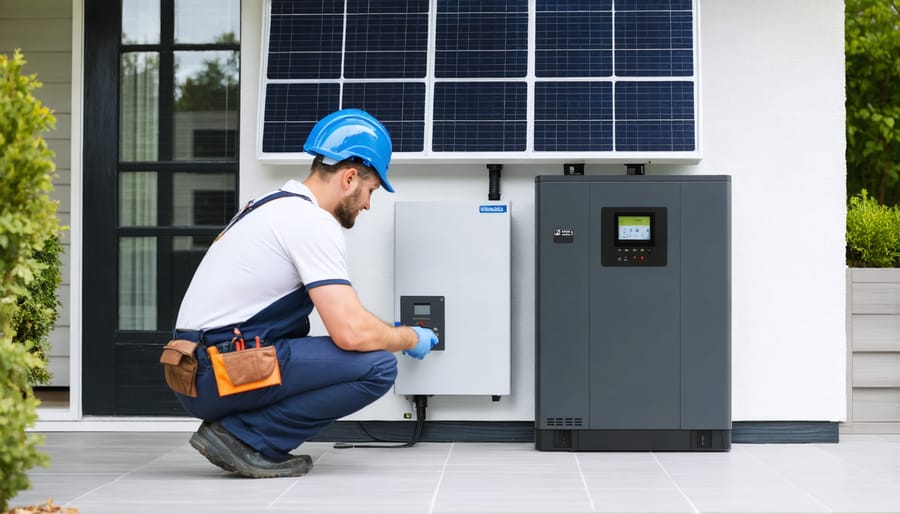
When it comes to implementing advanced energy solutions, choosing between professional installation and DIY approaches is a crucial decision. While a professional solar installation offers expertise and peace of mind, some homeowners with technical backgrounds may consider the DIY route to reduce costs.
Professional installation typically includes comprehensive site assessment, proper system sizing, and expert knowledge of local building codes and electrical requirements. Certified installers bring years of experience, specialized tools, and often provide warranties that protect your investment. They handle all necessary permits, ensure safety compliance, and can complete the installation efficiently.
However, DIY installation might be suitable for smaller systems or those with significant electrical experience. The advantages include cost savings on labor and complete control over the project timeline. But before choosing this path, consider these essential factors:
Safety Requirements:
– Working with high-voltage systems requires extensive knowledge
– Height considerations for roof installations
– Proper tools and safety equipment
Technical Expertise Needed:
– Understanding of electrical systems
– Knowledge of local building codes
– Ability to troubleshoot complex issues
Time Investment:
– Research and planning
– Actual installation work
– System testing and optimization
For most homeowners, professional installation proves to be the more practical choice, especially for complex systems involving multiple components. The added cost often pays for itself through proper installation, ongoing support, and maintained warranty coverage.
If you’re considering the DIY approach, start with smaller projects like basic monitoring systems or simple battery backups before tackling more complex installations. Remember that some manufacturers may void warranties if their products aren’t installed by certified professionals.
As we’ve explored throughout this article, advanced energy solutions are revolutionizing how we power our homes and businesses. From cutting-edge battery systems to smart grid integration, these technologies are making sustainable living more accessible and efficient than ever before. The benefits extend far beyond environmental impact – substantial cost savings, increased energy independence, and improved property values make these investments particularly attractive.
Remember, transitioning to advanced energy solutions doesn’t have to be overwhelming. Start with an energy audit of your property, then consider implementing changes gradually. Whether you begin with solar panel installation, smart home integration, or energy storage systems, each step brings you closer to a more sustainable and cost-effective future.
The technology continues to evolve rapidly, with new innovations emerging regularly. By staying informed and working with qualified professionals, you can make informed decisions that benefit both your wallet and the planet. Many communities now offer incentives and rebates for adopting these technologies, making this the perfect time to take action.
Don’t wait to begin your journey toward energy independence. Contact local energy consultants, explore available options, and start planning your transition today. The future of energy is here, and it’s more accessible than ever before. Together, we can create a more sustainable world while enjoying the numerous benefits of advanced energy solutions.


