


Solar Power: The Sustainable Future of Outdoor Living You Can Trust
As the world grapples with climate change and rising energy costs, solar power stands at the forefront of sustainable energy solutions – but just how sustainable is it really? The answer lies in a complex interplay of technological innovation, environmental impact, and economic viability that’s reshaping our energy landscape.
Solar power’s sustainability stretches far beyond its renewable nature. Today’s solar panels convert sunlight into electricity with unprecedented efficiency, typically lasting 25-30 years while producing clean energy with minimal maintenance. Unlike fossil fuels, solar energy generates power without depleting finite resources or releasing harmful emissions, making it environmentally sustainable in the truest sense.
Yet sustainability isn’t just about environmental benefits. Modern solar installations are becoming increasingly cost-effective, with prices dropping by over 80% in the past decade. Homeowners and businesses now see faster returns on investment, typically within 5-8 years, while enjoying decades of reduced energy costs. This economic sustainability has transformed solar from a luxury alternative to a practical energy solution.
The sustainable future of solar power is further secured by continuous technological advancements in panel efficiency, energy storage solutions, and recycling programs that address end-of-life disposal concerns. As we move toward a carbon-neutral future, solar power isn’t just sustainable – it’s becoming indispensable.
The Environmental Impact of Solar-Powered Outdoor Spaces
Carbon Footprint Reduction
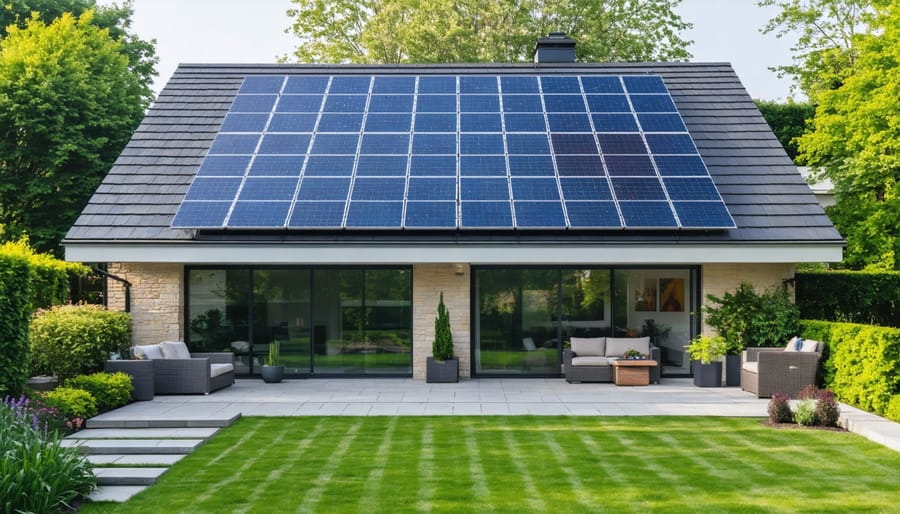
Solar-powered outdoor lighting and features significantly reduce your carbon footprint by harnessing clean, renewable energy from the sun. Recent solar energy innovations have made these systems increasingly efficient, allowing homeowners to slash their environmental impact while maintaining beautiful, functional outdoor spaces.
When you switch from traditional grid-powered outdoor lighting to solar alternatives, you’re effectively eliminating the greenhouse gas emissions associated with electricity generation. A typical outdoor lighting setup that runs for 12 hours daily can produce up to 0.5 metric tons of CO2 emissions annually when powered by conventional electricity. Solar-powered alternatives completely eliminate these emissions.
Beyond lighting, solar-powered water features, garden tools, and security systems further reduce your environmental impact. For example, a solar-powered fountain can save approximately 100 kWh of electricity per year, preventing roughly 70 pounds of CO2 from entering the atmosphere.
The sustainability benefits extend beyond direct energy savings. Solar-powered outdoor features require less infrastructure, reducing the need for extensive wiring and the associated environmental costs of manufacturing and installing traditional electrical systems. They also promote greater awareness of energy consumption, often inspiring homeowners to explore additional sustainable practices in their daily lives.
By choosing solar-powered outdoor solutions, you’re not just creating an eco-friendly space – you’re contributing to a larger movement toward sustainable living and environmental protection.
Resource Conservation Benefits
Solar power doesn’t just help our planet by reducing carbon emissions – it’s also a champion when it comes to conserving our precious natural resources. Unlike traditional power plants that consume massive amounts of water for cooling and energy generation, solar panels operate without using any water in their electricity production process.
A typical coal-fired power plant uses about 100,000 gallons of water per megawatt-hour of electricity produced. In contrast, solar panels require only occasional cleaning, using minimal water throughout their entire lifetime. For homeowners, this translates to significant water conservation – a solar installation can save approximately 16,000 gallons of water per year compared to grid electricity.
When it comes to energy efficiency, solar power systems excel at converting sunlight directly into electricity. Modern solar panels can convert up to 22% of solar energy into usable power, and this efficiency continues to improve with advancing technology. This direct conversion process means less energy is lost in transmission and distribution compared to traditional power sources.
Additionally, solar installations help preserve land resources. Rooftop solar systems utilize already-developed spaces, requiring no additional land use. Even large-scale solar farms use less land per megawatt than conventional power plants when considering the full lifecycle of resource extraction and power generation.
These resource conservation benefits make solar power a truly sustainable choice for both residential and commercial applications, offering immediate and long-term environmental advantages.
Economic Sustainability of Solar Power
Initial Investment vs. Long-term Savings
While the initial cost of solar installation might seem substantial, it’s essential to view it as a long-term investment rather than an expense. On average, a residential solar system costs between $15,000 to $25,000, but various federal tax incentives, state rebates, and local programs can significantly reduce this upfront investment.
The good news is that solar installations typically pay for themselves within 5-7 years through energy savings. Modern solar panels have a lifespan of 25-30 years, meaning you’ll enjoy about two decades of virtually free electricity after reaching the break-even point. To reduce your power bills even further, many utility companies offer net metering programs, allowing you to sell excess energy back to the grid.
Let’s break down the savings: A typical household spending $150 monthly on electricity could save approximately $1,800 annually with solar power. Over 25 years, this amounts to $45,000 in savings, not accounting for rising electricity costs, which historically increase by about 2.2% annually.
Maintenance costs are minimal, usually limited to occasional cleaning and basic system checks. Most quality solar panels come with comprehensive warranties, protecting your investment for decades. Additionally, solar installations can increase property value by an average of 4.1%, making them an attractive feature for future buyers.
When considering financing options, many homeowners opt for solar loans with low-interest rates or lease agreements, eliminating the need for significant upfront capital while still enjoying immediate energy savings.
Maintenance and Durability
Solar panels are remarkably durable and require minimal maintenance, which contributes significantly to their long-term sustainability. Most quality solar panels come with 25-30 year warranties and can continue producing energy well beyond that timeframe, though with slightly reduced efficiency. Regular maintenance typically involves simple cleaning 2-4 times per year to remove dust and debris, which homeowners can often do themselves.
The durability of modern solar installations is impressive – they’re built to withstand various weather conditions, including hail, strong winds, and heavy snow loads. Most panels lose only about 0.5% to 1% efficiency per year, meaning they’ll still operate at roughly 75-80% capacity after 25 years of service. This gradual degradation is predictable and factored into long-term energy production estimates.
Beyond basic cleaning, professional inspections every 3-5 years help ensure optimal performance and catch any potential issues early. The most common maintenance needs involve checking electrical connections and ensuring mounting hardware remains secure. Inverters, which convert solar energy to usable electricity, typically need replacement once during a solar system’s lifetime, usually after 10-15 years.
What makes solar particularly sustainable from a maintenance perspective is the absence of moving parts in most systems, reducing wear and tear. The materials used in solar panels are also increasingly recyclable, with many manufacturers now offering end-of-life recycling programs. When you consider that a well-maintained solar system can reliably generate clean energy for several decades with minimal intervention, it’s clear that the maintenance aspect strongly supports solar power’s overall sustainability credentials.
Practical Applications in Outdoor Living
Lighting Solutions
Modern solar-powered outdoor lighting solutions have revolutionized how we illuminate our spaces while maintaining sustainability. These lighting systems capture solar energy during daylight hours and store it in batteries, providing reliable illumination when the sun sets.
For homeowners, implementing solar lighting brings multiple benefits. Each solar light operates independently, eliminating the need for complex wiring or electrical work. The installation process is straightforward: simply choose your desired locations, ensure adequate sunlight exposure, and secure the fixtures in place. Most units come with built-in sensors that automatically activate at dusk and turn off at dawn, maximizing energy efficiency.
The sustainability factor of solar lighting is particularly impressive. Unlike traditional outdoor lighting that draws from the grid, solar lights operate entirely on renewable energy. They typically last 5-10 years with proper maintenance, and when it’s time for replacement, many components are recyclable. LED bulbs used in modern solar fixtures consume minimal energy while providing bright, clear illumination.
Commercial property managers have found success with solar lighting in parking lots, pathways, and security applications. The initial investment often pays for itself through eliminated electricity costs and reduced maintenance needs. Many businesses report significant savings within the first two years of installation.
To maximize the effectiveness of your solar lighting system, consider:
– Positioning lights where they receive 6-8 hours of direct sunlight
– Regular cleaning of solar panels to maintain efficiency
– Selecting appropriate brightness levels for specific areas
– Installing motion sensors for enhanced security and energy conservation
These practical solutions demonstrate how solar lighting contributes to a sustainable future while meeting immediate illumination needs.
Outdoor Entertainment Systems
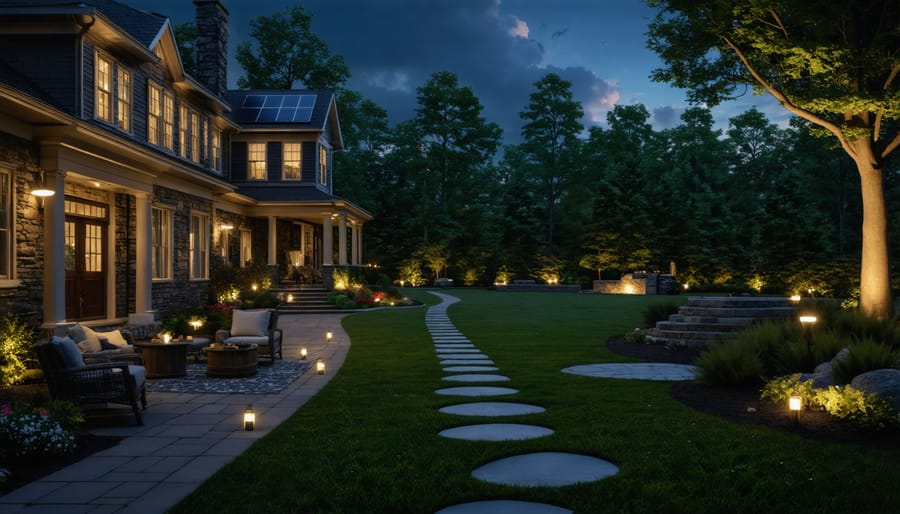
Transform your outdoor living space into an eco-friendly entertainment hub with solar-powered solutions that blend sustainability with comfort. Modern solar technology has revolutionized outdoor entertainment, offering reliable power for everything from LED lighting systems to outdoor speakers and movie projectors.
Smart outdoor entertainment systems powered by solar energy provide the perfect balance of functionality and environmental responsibility. These systems typically include weatherproof solar panels connected to efficient battery storage, ensuring your entertainment continues even after sunset. Many homeowners are discovering that alongside solar-powered security features, entertainment systems can operate completely off-grid.
Popular solar-powered outdoor entertainment options include:
– Weatherproof sound systems
– LED landscape lighting
– Outdoor movie screens
– Pool pumps and heating
– Patio fans and cooling systems
These systems typically pay for themselves within 3-5 years through energy savings, while significantly reducing your carbon footprint. Installation is straightforward, with many systems designed for DIY setup, though professional installation ensures optimal performance and longevity.
The best part? Modern solar entertainment systems are designed to withstand various weather conditions, requiring minimal maintenance beyond occasional panel cleaning. This makes them a sustainable, long-term investment in both your property value and outdoor lifestyle enjoyment.
Garden and Landscape Features
Solar power has revolutionized outdoor living spaces, offering sustainable solutions for garden and landscape features. Modern solar-powered garden lights, water features, and irrigation systems have made it easier than ever to maintain beautiful outdoor spaces while minimizing environmental impact.
Solar-powered garden lights are among the most popular applications, providing ambient lighting without increasing electricity bills. These lights store energy during the day and automatically illuminate paths, flower beds, and entertainment areas at night, offering both safety and aesthetic benefits. Many homeowners report significant savings after switching from traditional landscape lighting to solar alternatives.
In water features, solar-powered pumps have become increasingly efficient, powering fountains, pond aerators, and waterfalls without the need for electrical outlets. These systems are particularly sustainable because they operate most effectively during sunny periods when water features are most enjoyed and when evaporation rates are highest.
Smart irrigation systems powered by solar energy have transformed garden maintenance. These systems use solar panels to power timers and moisture sensors, ensuring plants receive optimal watering while conserving water resources. Some advanced systems even adjust watering schedules based on weather forecasts and soil conditions.
For greenhouse enthusiasts, solar-powered ventilation fans and heating systems help maintain ideal growing conditions year-round. These applications demonstrate how solar technology can support sustainable food production at home.
Maintenance requirements for solar landscape features are minimal, typically involving occasional cleaning of solar panels and checking connections. Most systems have a lifespan of 10-15 years, making them a durable and cost-effective choice for sustainable landscaping.
Solar power has proven itself to be a remarkably sustainable solution for outdoor living spaces, offering both environmental benefits and long-term economic advantages. Throughout our exploration, we’ve seen how solar technology continues to evolve, becoming more efficient and affordable while maintaining its core promise of clean, renewable energy.
The sustainability of solar power in outdoor settings is supported by multiple factors: decreasing installation costs, improving technology efficiency, and minimal maintenance requirements. Homeowners who have embraced solar solutions report significant reductions in their energy bills while enjoying the independence that comes with generating their own power. The 25+ year lifespan of quality solar panels, combined with manufacturer warranties, provides peace of mind for long-term investment.
Environmental benefits remain a crucial aspect of solar sustainability. By choosing solar power for outdoor spaces, homeowners actively contribute to reducing carbon emissions and preserving natural resources. The minimal environmental impact during operation, coupled with advancing recycling programs for end-of-life panels, makes solar power an environmentally responsible choice.
Looking ahead, the future of solar power in outdoor living appears increasingly bright. With continuous technological improvements and growing adoption rates, solar solutions are becoming more accessible and effective. For homeowners considering outdoor solar installations, the evidence strongly suggests that solar power is not just sustainable – it’s a smart investment in both environmental stewardship and property value.


