Fix Your Broken Solar Lights: Easy DIY Solutions That Actually Work
Transform your malfunctioning outdoor solar lights into reliable garden illuminators with simple DIY repairs that save money and reduce landfill waste. Most solar light issues stem from three fixable problems: corroded battery contacts, dirty solar panels, or worn-out rechargeable batteries. Armed with basic tools and a methodical approach, you can diagnose and repair these eco-friendly fixtures in under an hour.
Start by cleaning the solar panel with a soft microfiber cloth and mild soap solution – this single step often restores performance by up to 50%. Check the battery compartment for signs of water damage or corrosion, using a cotton swab dipped in white vinegar to gently clean affected terminals. Replace standard NiCad batteries with high-quality rechargeable alternatives rated for outdoor use to extend your lights’ lifespan and brightness.
Don’t let damaged solar lights dim your outdoor space. With proper maintenance and timely repairs, these sustainable lighting solutions can illuminate your garden for years to come while maintaining their energy-efficient promise.
Common Problems With Outdoor Solar Lights
Battery-Related Issues
Battery issues are among the most common problems affecting outdoor solar lights. Over time, rechargeable batteries naturally lose their capacity to hold a charge, resulting in shorter illumination periods or complete failure to light up. If your solar lights aren’t performing as well as they used to, first check the battery connections for any corrosion or loose contacts. Clean the terminals with a cotton swab dipped in white vinegar to remove any buildup.
Most outdoor solar lights use NiMH or Li-ion rechargeable batteries, which typically last 1-2 years with regular use. When replacing batteries, ensure you match the voltage and size specifications exactly. It’s worth investing in high-quality batteries as they tend to last longer and perform better in varying weather conditions. Remember to properly dispose of old batteries at designated recycling centers.
For optimal battery performance, clean your solar panels regularly and position your lights where they receive maximum sunlight during the day. Consider keeping a spare set of batteries on hand for quick replacement when needed.
Solar Panel Defects
Solar panels are the heart of outdoor solar lights, and several common issues can affect their performance. Dirt, dust, and debris accumulation on the panel surface can significantly reduce charging efficiency. Regular cleaning with a soft, damp cloth can restore optimal power generation. Be careful not to use harsh chemicals or abrasive materials that might scratch the panel surface.
Physical damage, such as cracks or chips from falling branches or severe weather, can seriously impair a panel’s functionality. While minor scratches might not require immediate attention, deeper damage usually means the panel needs replacement. You’ll also want to watch for signs of deterioration, including yellowing or clouding of the panel surface, which naturally occurs over time due to UV exposure.
Look out for loose mounting hardware that may cause the panel to shift away from optimal sunlight angles. Also, check for water seepage around the panel edges, as this can lead to internal corrosion and reduced efficiency.
Essential Tools for Solar Light Repair
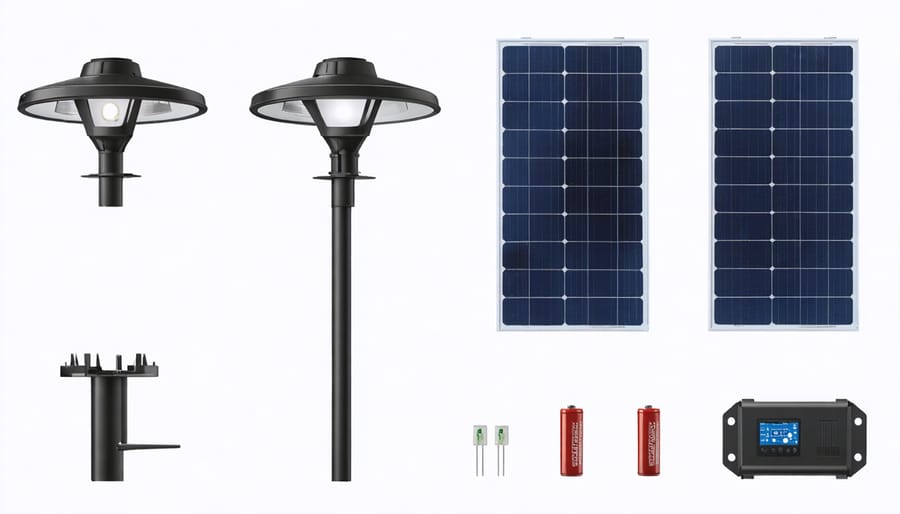
Before diving into solar light repairs, gather these essential tools to ensure you can tackle most common issues effectively. You’ll need a basic screwdriver set with both Phillips and flathead options for opening light casings and adjusting components. A multimeter is crucial for testing batteries, solar panels, and electrical connections – it’s your diagnostic best friend.
Keep a selection of batteries handy (typically AA, AAA, or specialized rechargeable batteries) for testing and replacement. Wire strippers and electrical tape are necessary for handling any wiring issues safely. A soft brush or microfiber cloth helps clean solar panels without scratching, while compressed air can remove stubborn debris from tight spaces.
For weatherproofing repairs, have silicone sealant and rubber washers ready. A small hammer and pliers might come in handy for mechanical fixes. Don’t forget safety equipment: rubber gloves for electrical work and safety glasses for protection during repairs.
Consider keeping a basic electronics cleaning kit with contact cleaner and rubbing alcohol for removing corrosion from battery terminals and electrical contacts. A bright flashlight will help you inspect dark corners and verify LED functionality. Store these tools in a dedicated container to keep them organized and readily available when needed.
Remember, quality tools make repairs easier and safer, ultimately extending the life of your solar lights.
Step-by-Step Repair Guidelines
Cleaning and Maintenance
Regular cleaning and maintenance are essential for keeping your outdoor solar lights performing at their best. Start by gently wiping the solar panel with a soft, damp cloth every month to remove dust, pollen, and bird droppings that can reduce charging efficiency. Avoid using harsh chemicals or abrasive materials that might scratch the panel surface.
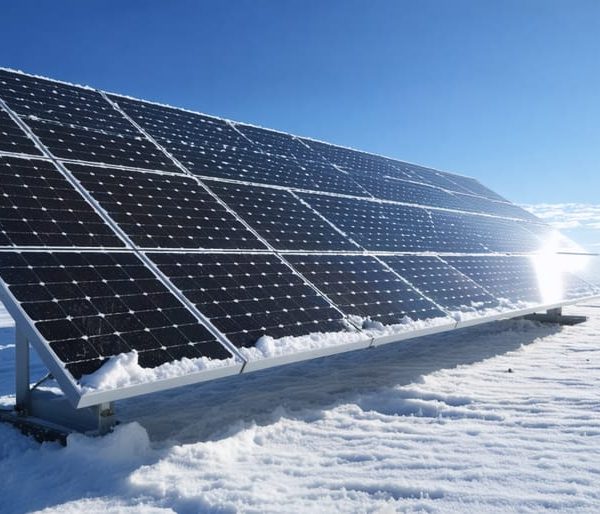
Check the light fixtures themselves for spider webs, insect nests, and debris that can block the light output. A soft brush can help remove these without damaging the components. During winter months, clear any snow or ice accumulation from the panels to ensure they receive maximum sunlight.
Inspect the housing seals quarterly to prevent water damage. Look for cracks or deterioration in the weatherproof sealing and replace any damaged parts promptly. Trim nearby vegetation that might cast shadows on the solar panels or interfere with the light sensors.
For optimal performance, test your lights regularly during dusk and adjust their position if needed to maximize sun exposure. Consider cleaning more frequently if you live in an area with heavy pollution or frequent storms. These simple maintenance steps can significantly extend the life of your solar lights and maintain their brightness.
Component Replacement
When your outdoor solar lights need new components, replacing them safely can extend their lifespan and save money. Start by gathering the necessary tools: a small screwdriver set, replacement parts, and work gloves. Always ensure the lights have been off for several hours before beginning repairs.
For battery replacement, carefully open the battery compartment following your light’s specific design. Most solar lights use AA or AAA rechargeable batteries. Remove old batteries and note their position – incorrect installation can damage the circuit. Install new rechargeable batteries rated for solar applications, ensuring proper polarity alignment.
LED replacement requires more precision but remains achievable for most DIY solar lighting projects. First, disconnect the power source and remove the light cover. Locate the LED connection points and carefully detach the old LED. When installing the new LED, match the positive and negative leads exactly. Many LEDs come with marked leads – the longer lead typically indicates positive.
For solar panel replacement, begin by disconnecting any wires carefully. Remove the old panel by unscrewing mounting hardware. Clean the mounting surface thoroughly before installing the new panel. Reconnect wires according to their original configuration, typically red for positive and black for negative.
Remember to test each component after replacement. Allow the light to charge for a full day before expecting optimal performance. If you’re unsure about any step, consult your product manual or contact the manufacturer for guidance. Always dispose of old components properly through local electronics recycling programs.
Preventive Maintenance Tips
Regular maintenance is key to keeping your outdoor solar lights performing at their best. Clean the solar panels monthly using a soft, damp cloth to remove dust, dirt, and debris that can reduce charging efficiency. Avoid using harsh chemicals or abrasive materials that might scratch the panel surface.
Trim any vegetation that may cast shadows on your solar lights, as shade significantly impacts their performance. Check and tighten mounting hardware every few months to prevent lights from becoming loose or misaligned. If you maintain solar lights in winter, consider adjusting their angle to maximize exposure to limited sunlight.
Inspect the battery compartment seasonally for signs of moisture or corrosion. Apply a thin layer of petroleum jelly to battery terminals and rubber seals to prevent oxidation and maintain waterproof integrity. Replace rechargeable batteries every 18-24 months, even if they’re still working, to ensure optimal performance.
Store portable solar lights indoors during severe weather events to protect them from damage. When reinstalling, ensure proper positioning for maximum sun exposure. Consider keeping spare parts like batteries and LED bulbs on hand for quick replacements when needed. These simple preventive measures can significantly extend your solar lights’ lifespan and maintain their brightness throughout the years.
Maintaining your outdoor solar lights not only ensures reliable illumination but also contributes to a more sustainable future. By following proper repair and maintenance practices, you can extend the life of your solar lighting system while reducing electronic waste. Remember to regularly clean solar panels, replace batteries when needed, and check for water damage to keep your lights performing optimally. Consider upgrading to newer, more efficient models when repairs are no longer cost-effective. Together, we can create well-lit outdoor spaces while minimizing our environmental impact. By choosing solar-powered lighting and maintaining it properly, you’re taking an important step toward energy independence and environmental stewardship. Keep your lights shining bright, and let’s illuminate the path to a greener tomorrow.