


Fix Your Solar Water Heater: Simple Solutions That Actually Work
Solar water heater problems can be frustrating, but most issues are surprisingly simple to diagnose and fix. From sluggish heating performance to strange noises, these systems typically show clear warning signs before major failures occur. Whether you’re dealing with reduced hot water output, leak concerns, or efficiency drops, understanding the core troubleshooting steps can save you time, money, and unnecessary stress. This guide walks you through the most common solar water heater problems and their solutions, helping you determine whether it’s a DIY fix or time to call a professional.
Start by checking these essential components: the collector panels for damage or debris, the circulation pump for proper operation, and the storage tank for leaks or sediment buildup. Many performance issues stem from these three areas, and identifying the problem source is half the battle. Regular maintenance can prevent up to 90% of common solar water heater issues, making troubleshooting an essential skill for every system owner.
Let’s dive into the specific problems you might encounter and the step-by-step solutions to get your system running efficiently again.
Common Solar Water Heater Problems and Their Warning Signs
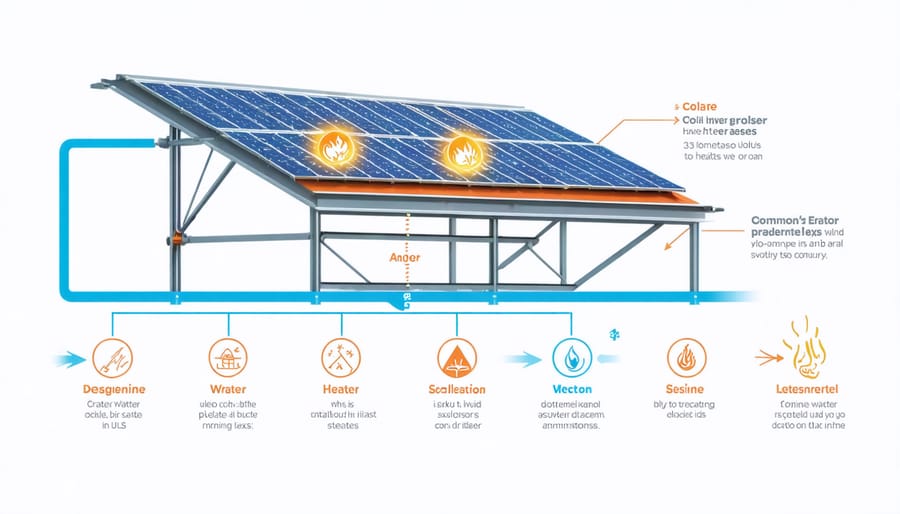
No Hot Water or Inconsistent Temperature
When your solar water heater isn’t providing hot water or delivers inconsistent temperatures, several factors could be at play. Like other common solar panel issues, these problems often have straightforward solutions. Start by checking if your backup heating element is functioning correctly, as this supplements solar heating during cloudy days or high-demand periods.
Next, inspect your solar collector panels for dust, debris, or shade that might be reducing their efficiency. Even partial shading can significantly impact performance. Verify that your system’s circulation pump is running smoothly – you should hear a gentle humming sound when it’s operating. A malfunctioning pump can prevent proper water circulation through the collectors.
Also, check your storage tank’s insulation and look for any visible leaks in the piping system. Poor insulation can cause rapid heat loss, while leaks can affect water pressure and temperature consistency. During colder months, ensure your freeze protection mechanisms are working properly to prevent system damage.
If these initial checks don’t resolve the issue, it’s time to consult a qualified solar technician for a professional assessment.
Unusual Noises and Leaks
Strange noises and leaks from your solar water heater can signal various issues that need attention. If you hear rumbling or knocking sounds, this often indicates mineral buildup or scaling in the tank, especially in areas with hard water. A high-pitched whistling noise typically suggests air in the system or excessive pressure, while gurgling sounds might mean trapped air in the pipes.
For leaks, start by checking all connections and pipe joints. A small puddle near the tank could indicate a faulty pressure relief valve or corroded fittings. Green or white mineral deposits around joints are telltale signs of slow leaks that need immediate attention. If you notice water dripping from the collector panels on your roof, this could mean damaged seals or cracked glazing.
Don’t ignore these warning signs – they rarely resolve on their own and can lead to bigger problems. While some noises might be normal during regular operation, new or unusual sounds warrant investigation. For significant leaks or persistent unusual noises, it’s best to contact a qualified solar water heater technician to prevent system damage and ensure safe operation.
Step-by-Step Troubleshooting Process
Check the Solar Collector
Regular inspection of your solar collector is crucial for maintaining optimal performance of your solar water heater. Start by visually examining the panels for any obvious physical damage, such as cracks, chips, or loose mounting brackets. Even small damages can significantly impact efficiency and should be addressed promptly.
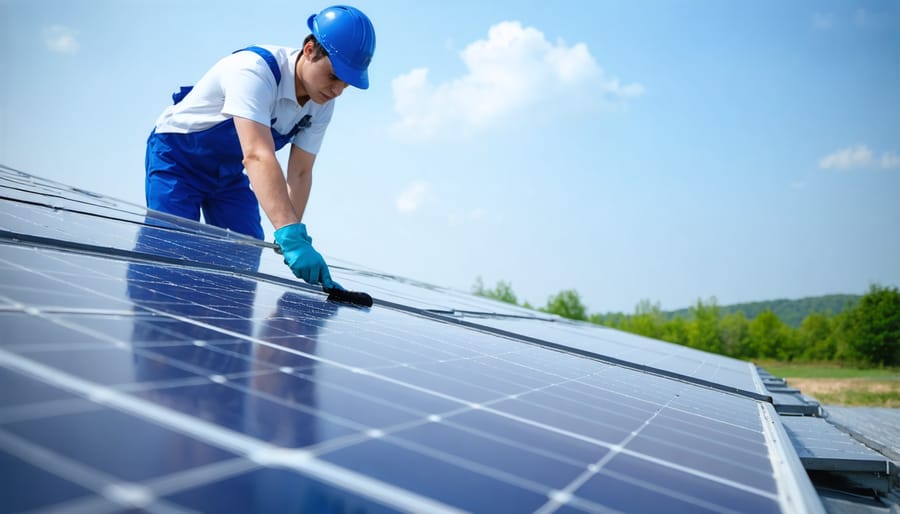
Next, check for dirt, dust, leaves, or bird droppings on the collector surface. These obstructions can reduce sunlight absorption and decrease system performance. Use a soft brush or cloth with mild soap and water to gently clean the panels during cooler times of day. Avoid harsh chemicals or abrasive materials that might scratch the surface.
Ensure your solar collectors are positioned at the optimal angle to capture maximum sunlight. In most cases, this means facing true south (in the Northern Hemisphere) at an angle roughly equal to your latitude. Check that trees or nearby structures haven’t grown to cast new shadows on your panels since installation.
Look for signs of weathering or deterioration in the glazing (the transparent cover). If it appears cloudy or yellowed, this could indicate UV damage that’s reducing efficiency. Also, verify that the insulation around the collector is intact and dry, as damaged insulation can lead to heat loss.
If you notice significant issues or feel uncertain about any aspects of your inspection, it’s best to contact a qualified solar technician for professional assessment.
Inspect the Storage Tank
Start by checking your storage tank for any visible signs of leaks or moisture around the seams, connections, and valves. Even small drips can indicate a developing problem that needs attention. Run your hand along the tank’s surface and check the floor beneath for water spots or mineral deposits.
Next, inspect the tank’s insulation. Poor insulation can significantly reduce your system’s efficiency and increase energy costs. Look for gaps, tears, or compressed areas in the insulation jacket. If you notice any cold spots while touching the tank’s exterior, this could indicate insulation problems in those areas.
Check your temperature settings to ensure they’re appropriate for your needs. The optimal temperature usually ranges between 120-140°F (49-60°C). Setting the temperature too high wastes energy and can create scalding risks, while too low might not meet your hot water demands and could allow harmful bacteria to grow.
Pay special attention to the pressure relief valve – it’s a crucial safety component. Test it monthly by lifting the lever and allowing it to snap back. You should hear a gurgling sound as water flows into the drain tube. If there’s no sound or if the valve continues to leak after testing, it may need replacement.
Remember to inspect the sacrificial anode rod every 3-5 years. This rod prevents tank corrosion, and its condition can tell you a lot about your tank’s health.
Verify Pump and Controller Operation
The circulation pump and controller are vital components of your solar water heating system, and checking their operation is crucial when experiencing system performance issues. Start by listening for the pump’s operation during sunny periods – you should hear a gentle humming sound. If the pump is silent, check if it’s receiving power by verifying the controller’s display is active and showing normal readings.
Test the pump’s manual override function on your controller to force circulation. If the pump doesn’t activate, examine the wiring connections between the controller and pump for any loose or damaged cables. Also, check the controller’s temperature sensors to ensure they’re properly attached and providing accurate readings.
For circulation verification, feel the supply and return pipes during sunny conditions. The supply pipe should be noticeably warmer than the return pipe, indicating proper flow. If temperatures feel similar or there’s no temperature difference, this could indicate a pump failure or blockage in the system.
If your controller displays error codes or unusual readings, consult your system’s manual for specific troubleshooting steps. Remember that some issues, particularly those involving electrical components, may require professional intervention to ensure safe and proper repair.
DIY Maintenance Solutions
Cleaning Solar Collectors
Regular cleaning of your solar collectors is essential for maintaining optimal system performance. Aim to clean your collectors every 3-6 months, depending on your local environment and weather conditions. Areas with high dust, pollen, or bird activity may require more frequent cleaning.
Before starting, choose an overcast day or early morning to clean your collectors. This prevents rapid evaporation of cleaning solution and reduces the risk of thermal shock to the glass. Always ensure your safety by using proper ladder security and wearing non-slip shoes.
Start by gently rinsing the collectors with clean water to remove loose debris. Mix a mild, non-abrasive soap with water – avoid harsh chemicals that might damage the glass surface. Using a soft brush or sponge attached to an extension pole, clean the collectors with gentle circular motions. Pay special attention to stubborn spots, but never use metal scrapers or abrasive materials.
After cleaning, rinse thoroughly with clean water to prevent soap residue from attracting dirt. Check that all surfaces are properly cleaned and free from streaks. While cleaning, inspect for any signs of damage, such as cracks or loose connections.
For difficult-to-reach installations or if you’re uncomfortable working at heights, consider hiring a professional cleaning service. They have the right equipment and expertise to safely maintain your system while ensuring its longevity and efficiency.
System Pressure and Fluid Checks
Maintaining proper system pressure and fluid levels is crucial for your solar water heater’s optimal performance. Start by checking the pressure gauge – it should typically read between 30-60 PSI when the system is cold. If you notice the pressure is too low, this could indicate a leak or air in the system. Conversely, high pressure might suggest overheating or expansion tank issues.
For fluid checks, first ensure your system is cool before inspecting the heat transfer fluid level in the expansion tank. The fluid should be at the manufacturer’s recommended level – usually visible through the sight glass or indicated by marking on the tank. If you notice the fluid is dark or has a burnt smell, it’s time for a replacement as this indicates fluid degradation.
Listen for unusual sounds like gurgling or hissing, which often signal air in the system. To remove air pockets, carefully use the air vent valve while the pump is running. Remember to only add manufacturer-approved heat transfer fluid – never use water or other substitutes, as these can damage your system or reduce efficiency.
Keep a maintenance log of pressure readings and fluid checks. Regular monitoring helps identify trends and potential issues before they become serious problems. If you’re unsure about performing these checks yourself, schedule an annual inspection with a qualified technician.
When to Call a Professional
While many solar water heater issues can be resolved through DIY troubleshooting, certain situations demand professional expertise. Understanding when to call a certified technician can prevent further damage and ensure your system’s longevity. Here are key scenarios that warrant professional intervention:
If you notice unusual noises like loud banging or whistling coming from your system, especially during operation, this could indicate serious pressure-related issues that require immediate professional attention. These sounds might signal trapped air or potential component failure that could lead to system damage.
When you discover leaks around the storage tank, collector panels, or connecting pipes, it’s time to call an expert. Water leakage can cause structural damage to your property and compromise the system’s efficiency. While checking solar maintenance costs might seem daunting, addressing leaks promptly can prevent more expensive repairs later.
Contact a professional if your system shows signs of electrical issues, such as tripped circuit breakers or controller malfunctions. Working with electrical components without proper training can be dangerous and potentially void your warranty.
You should also seek expert help if:
– The system’s pressure repeatedly drops below normal levels
– The collector panels show visible damage or discoloration
– Your energy bills spike unexpectedly despite normal usage
– The water temperature fluctuates dramatically
– You notice scale buildup that basic cleaning can’t remove
Additionally, schedule professional inspection if your system is over ten years old or hasn’t been serviced in the past two years. Regular professional maintenance can identify potential issues before they become major problems and help optimize your system’s performance.
Remember, attempting complex repairs without proper expertise can damage your system, void warranties, and potentially create safety hazards. When in doubt, it’s better to invest in professional service than risk costly mistakes.
Regular maintenance and prompt troubleshooting of your solar water heater are essential investments in your system’s longevity and performance. By staying vigilant and addressing issues early, you can ensure your solar water heater continues to provide efficient, environmentally friendly hot water while keeping your energy costs low.
Remember to conduct monthly visual inspections of your system, checking for leaks, damage, or unusual performance changes. Keep your collectors clean and free from debris, and ensure your temperature and pressure relief valves are functioning correctly. Don’t forget to test your backup heating system periodically and maintain proper insulation throughout the system.
While many common issues can be resolved through DIY troubleshooting, never hesitate to contact a qualified professional when faced with complex problems or safety concerns. The cost of professional maintenance is far less than replacing a damaged system.
By following the troubleshooting steps we’ve discussed and maintaining a regular maintenance schedule, you’re not just protecting your investment – you’re contributing to a more sustainable future. Solar water heaters are remarkable systems that can provide reliable hot water for decades when properly cared for.
Stay proactive, keep this guide handy, and enjoy the benefits of your solar water heating system for years to come. Your commitment to renewable energy is making a difference, one hot shower at a time.


