


Zero Energy Living: How Solar Tech Makes Electric Bills Vanish
Imagine a home that produces all the energy it needs, freeing you completely from utility bills while protecting our planet. Zero-energy houses represent the pinnacle of sustainable living, combining cutting-edge solar technology with innovative design to achieve complete energy independence. By harnessing the benefits of solar energy alongside advanced insulation, smart home systems, and energy-efficient appliances, these remarkable dwellings generate as much power as they consume over the course of a year.
The concept isn’t just a futuristic dream—it’s a present reality that thousands of homeowners are already embracing. From modest suburban homes to luxurious estates, zero-energy buildings are revolutionizing how we think about residential power consumption. With recent advances in solar technology and energy storage solutions, achieving net-zero status has become more accessible and affordable than ever before.
Whether you’re planning a new construction project or looking to retrofit your existing home, understanding the principles of zero-energy design can help you take meaningful steps toward energy independence. This comprehensive guide will walk you through everything you need to know about creating and maintaining a home that pays for itself in energy savings.
What Makes a House Truly Zero Energy?
Essential Solar System Components
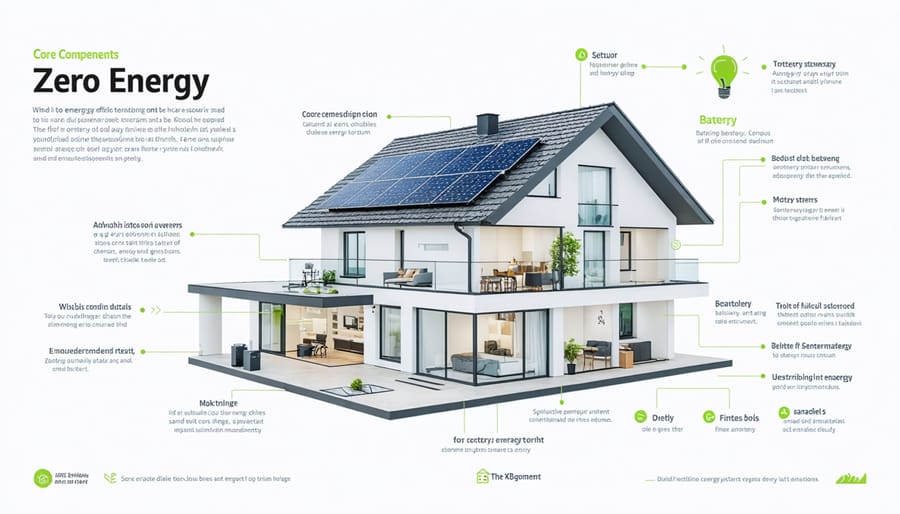
A solar-powered zero energy house relies on several key components working together seamlessly. The heart of the system is the solar panel array, typically mounted on the roof, which captures sunlight and converts it into electricity. High-efficiency monocrystalline or polycrystalline panels are recommended for optimal performance.
The inverter system is equally crucial, converting the DC power generated by your panels into usable AC power for your home. Modern microinverters or power optimizers can maximize energy production from each individual panel, even in partial shade conditions.
Energy storage is vital for achieving true zero energy status. A battery bank, such as lithium-ion batteries, stores excess daytime power for nighttime use. The charge controller manages the flow of electricity between panels and batteries, preventing overcharging and extending battery life.
A bi-directional meter tracks both energy consumption and production, while the monitoring system helps you track performance in real-time through user-friendly apps. Finally, the main electrical panel with appropriate safety disconnects ensures your system integrates safely with the power grid, allowing for net metering when available.
Energy Storage Solutions
Effective energy storage is crucial for achieving true zero-energy living. Modern battery systems, particularly lithium-ion solutions, serve as the backbone of energy independence by storing excess solar power for use during nighttime or cloudy days. A typical home battery system can store between 10-15 kWh of energy, enough to power an average household for 24-48 hours.
Smart energy management systems work alongside these batteries to optimize power usage. These systems automatically direct excess solar energy to storage during peak production hours and draw from batteries when grid prices are highest. Many homeowners start with a single battery and expand their storage capacity over time as needed.
“We installed our first 13.5 kWh battery last year,” shares Sarah Martinez, a zero-energy homeowner. “It’s been a game-changer during power outages, and our electricity bill has practically disappeared.”
For enhanced reliability, consider combining batteries with backup generators for extended periods of low solar production. Modern storage solutions also include mobile apps that let you monitor energy flow and battery levels in real-time, giving you complete control over your home’s power management.
Maintaining Your Zero Energy System
Solar Panel Care and Cleaning
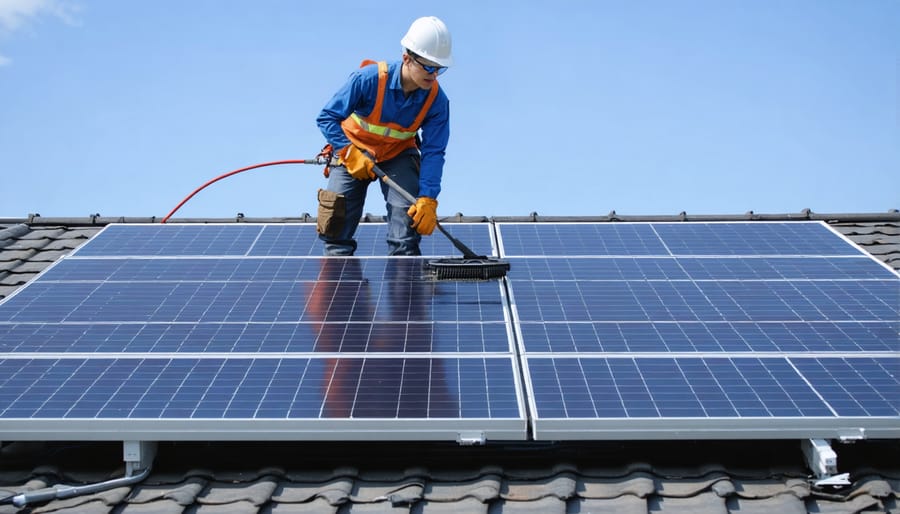
Regular maintenance of your solar panels is crucial for maintaining your home’s zero energy status. While solar panel maintenance costs are relatively low, proper care ensures optimal performance and longevity.
Start with a monthly visual inspection of your panels. Look for dust, leaves, bird droppings, or any debris that might block sunlight. If you notice any accumulation, it’s time for cleaning.
Here’s a simple cleaning routine:
1. Choose an overcast morning or evening to prevent rapid water evaporation
2. Spray panels with regular water to loosen dirt
3. Use a soft brush or sponge with mild soap and water
4. Gently wipe in a circular motion
5. Rinse thoroughly with clean water
6. Let panels air dry
Never use abrasive materials or harsh chemicals, as these can scratch the panels’ surface. During winter, remove snow using a soft roof rake with an extended handle.
Monitor your system’s performance through its digital interface. If you notice a significant drop in energy production, even after cleaning, contact a professional for inspection.
Remember to trim nearby trees regularly to prevent shade and falling branches. Schedule professional inspections annually to check electrical connections and ensure all components are functioning correctly.
Battery System Maintenance
Regular maintenance of your home’s battery system is crucial for achieving true zero-energy living. Start by monitoring your battery’s performance through the system’s management interface at least once a month. Look for any unusual patterns in charging and discharging cycles, which could indicate potential issues.
Clean your battery enclosure every three months to prevent dust buildup and ensure proper ventilation. Check all connections for signs of corrosion or loose wiring, and tighten them if necessary. If you notice any discoloration or unusual smells around the terminals, contact a qualified technician immediately.
Temperature control is vital for battery longevity. Keep your battery storage area between 20-25°C (68-77°F) for optimal performance. Consider installing a basic ventilation system if the space tends to get too warm.
Track your battery’s capacity over time using the system’s monitoring tools. Most modern batteries should maintain at least 70% of their original capacity after 10 years. If you notice significant degradation before this point, consult your manufacturer’s warranty terms.
Remember to schedule professional inspections annually. A certified technician can perform detailed diagnostic tests and catch potential issues before they become problems. They’ll also ensure your system complies with current safety standards and operates at peak efficiency.
For lithium-based systems, avoid completely draining the batteries. Keeping charge levels between 20% and 80% typically extends battery life and maintains optimal performance.
Monitoring System Performance
Modern monitoring systems are the backbone of a zero-energy home, helping you track and optimize your energy production and consumption in real time. Most solar installations come with smart meters and monitoring apps that provide detailed insights into your home’s energy performance.
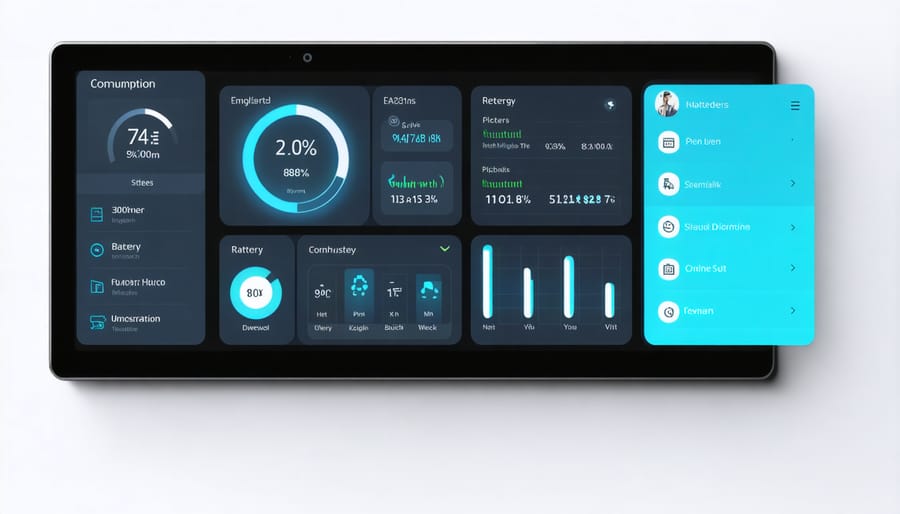
These monitoring tools typically display key metrics like daily energy generation, consumption patterns, and battery storage levels through user-friendly dashboards. Many homeowners find it helpful to check their system’s performance first thing in the morning and before peak usage hours to make informed decisions about their energy use.
To effectively monitor your system, start by familiarizing yourself with your monitoring app’s features. Look for important indicators such as power output trends, weather impact on generation, and any unexpected dips in performance that might signal maintenance needs. Many systems also send automatic alerts when they detect potential issues, helping you address problems before they affect your home’s energy balance.
Smart home integration takes monitoring a step further by allowing you to automate energy-intensive activities based on solar production. For example, you can schedule your electric vehicle charging or run your dishwasher when solar generation is at its peak.
Keep a monthly log of your system’s performance to track seasonal variations and identify long-term trends. This data helps you make informed decisions about energy usage and system maintenance, ensuring your home maintains its zero-energy status year-round.
Maximizing System Efficiency
Smart Home Integration
Smart home automation plays a crucial role in maximizing the efficiency of a zero-energy house. By integrating intelligent systems, homeowners can optimize energy usage and maintain perfect harmony between power generation and consumption.
The foundation of smart integration begins with a central home energy management system (HEMS). This brain of your zero-energy home monitors real-time energy production from solar panels and coordinates with various smart devices to optimize consumption. For instance, the system can automatically adjust your HVAC settings based on solar production peaks or schedule energy-intensive appliances to run during prime sunlight hours.
Smart thermostats learn your preferences and adjust temperatures automatically, while automated blinds can help with passive solar heating and cooling. Motion sensors ensure lights are only used when needed, and smart appliances can be programmed to operate during optimal energy production periods.
Voice-controlled assistants like Alexa or Google Home can provide instant feedback on your home’s energy status and allow you to make immediate adjustments. Many homeowners report saving an additional 15-20% on their already minimal energy usage after implementing these smart features.
Mobile apps connected to your home’s system provide real-time monitoring and control, even when you’re away. You can track energy production, consumption, and storage levels, making it easier to maintain your zero-energy goals while ensuring maximum comfort and convenience.
Seasonal Adjustments
Keeping your zero energy house performing optimally requires adjusting system settings as seasons change. During summer months, when days are longer and sunlight is abundant, you can maximize solar collection by ensuring panels are clean and angled correctly to capture peak sunlight hours. Program your home automation system to run energy-intensive appliances during daylight hours when solar production is highest.
As winter approaches, prepare for shorter days by adjusting your energy consumption patterns. Consider setting your heating system to pre-warm your home during mid-day solar peaks rather than evening hours. Install automated blinds to capture solar heat during winter days and provide insulation at night. Smart thermostats can be programmed to maintain optimal temperatures while minimizing energy use across seasons.
Spring and fall present unique opportunities for system optimization. These moderate seasons are ideal for testing and adjusting ventilation systems, checking battery storage efficiency, and recalibrating home automation settings. Use these transitional periods to clean and maintain solar panels, ensuring maximum efficiency before extreme weather conditions arrive.
Weather monitoring systems can help automate many seasonal adjustments. These smart devices can adjust your home’s energy systems based on real-time weather data, optimizing energy collection and usage throughout the year. Regular monitoring of system performance during seasonal changes helps identify any necessary maintenance or adjustments to maintain zero energy status.
Troubleshooting Common Issues
Performance Diagnostics
Regular performance monitoring is crucial for maintaining a zero-energy home’s efficiency. Start by tracking your daily energy production and consumption through your system’s monitoring interface. Look for unexpected drops in output or unusual spikes in energy usage, which could indicate potential common solar panel issues.
Install smart meters and energy monitoring devices throughout your home to identify specific areas of energy waste. These tools can help you spot inefficient appliances, phantom loads, or HVAC systems that need maintenance. Pay attention to seasonal variations in performance – your system should maintain consistent efficiency ratios even during different weather conditions.
Create a maintenance checklist that includes monthly visual inspections of solar panels, battery systems, and inverters. Monitor battery charge cycles and efficiency rates to ensure optimal energy storage. Check for warning indicators on your inverter display and verify that all system components are communicating properly.
If you notice a significant decrease in performance, consider professional diagnostic services. They can use thermal imaging and specialized testing equipment to identify issues that might not be visible to the naked eye. Keep detailed records of all maintenance activities and performance metrics – this data helps track long-term system health and can be valuable for warranty claims or system upgrades.
When to Call a Professional
While maintaining a zero-energy home is often manageable through regular DIY checks, certain situations require professional expertise. Contact a certified energy specialist or solar technician if you notice significant drops in energy production, unexplained increases in power consumption, or electrical issues with your system components.
Professional inspection is crucial when your monitoring system shows persistent performance issues, or if you observe physical damage to solar panels, inverters, or battery systems. Additionally, seek expert help for annual system calibration, especially if your home has complex integration between multiple renewable energy sources.
You should also call a professional if you’re planning any major home renovations that might affect your energy systems, or if you’re considering expanding your current setup. They can provide valuable insights into system compatibility and optimal configurations.
Weather-related damage, such as after severe storms or hail, requires immediate professional assessment to prevent long-term efficiency losses. If you notice water damage, loose connections, or unusual sounds from your equipment, don’t attempt repairs yourself – these issues need expert attention to maintain safety and system integrity.
Remember, while professional services may seem costly, they’re an investment in your home’s long-term energy independence. Regular professional maintenance can prevent more expensive repairs and ensure your zero-energy home continues performing at its best.
Maintaining a zero energy home isn’t just about installing the right systems – it’s about embracing a sustainable lifestyle that benefits both your wallet and the planet. Regular maintenance of your solar panels, efficient appliances, and smart home systems ensures optimal performance year-round. By monitoring your energy consumption, scheduling routine checkups, and making mindful choices about your daily energy use, you can keep your home operating at peak efficiency. Remember, every small action counts, from cleaning your solar panels to updating your home’s insulation. Your zero energy home is more than just a building; it’s a commitment to a greener future and an inspiration to others in your community. Take pride in your contribution to environmental conservation and enjoy the financial benefits of energy independence for years to come.


