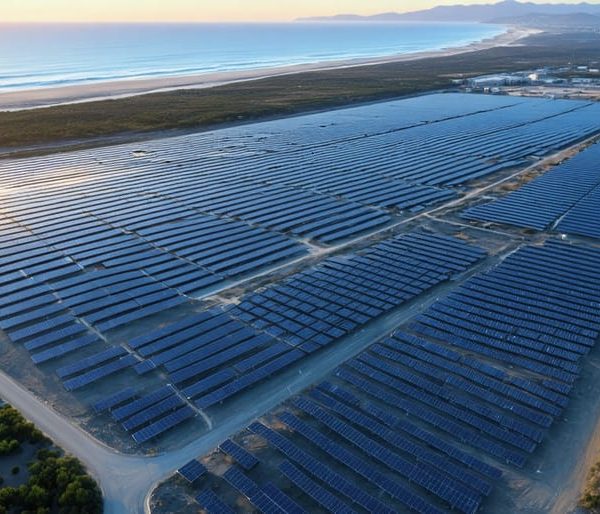
Solar-Powered Desalination: Fresh Water From Sunlight at Your Home
Transform your home’s water supply with solar-powered desalination, a breakthrough technology that’s revolutionizing how we access clean water while harnessing renewable energy. Following large-scale desalination success in coastal regions, homeowners can now implement compact systems that convert saltwater or brackish groundwater into fresh, potable water using only the sun’s energy.
This innovative solution combines two essential sustainability practices: clean water production and renewable power generation. A typical residential solar desalination system can produce 5-10 gallons of fresh water daily while operating completely off-grid, making it ideal for coastal homes, remote properties, or anyone seeking water independence.
The technology works by using solar panels to power a reverse osmosis or vapor compression process, removing salt and impurities from water without the hefty energy costs of traditional desalination. As installation costs continue to decrease and efficiency improves, solar desalination represents a practical solution for sustainable water security in homes across America.
How Solar Desalination Works in Your Home
The Solar Collection Process
The heart of solar-powered desalination lies in its advanced solar collection technology, which efficiently captures and converts sunlight into usable energy. This process begins with specially designed solar panels that feature high-efficiency photovoltaic cells, capable of absorbing both direct and indirect sunlight.
These panels are typically arranged in arrays that maximize exposure to the sun throughout the day. As sunlight hits the panels, the photovoltaic cells convert solar energy into electrical power, which is then used to drive the desalination process. Modern systems often incorporate sun-tracking mechanisms that adjust the panels’ position to follow the sun’s path, increasing energy collection by up to 30%.
The collected energy is either used immediately or stored in battery systems for continuous operation. This ensures the desalination process can run even during cloudy periods or at night. Many systems also feature smart controllers that optimize energy distribution based on water demand and available sunlight, making the entire process more efficient and cost-effective for homeowners.
Water Purification Steps
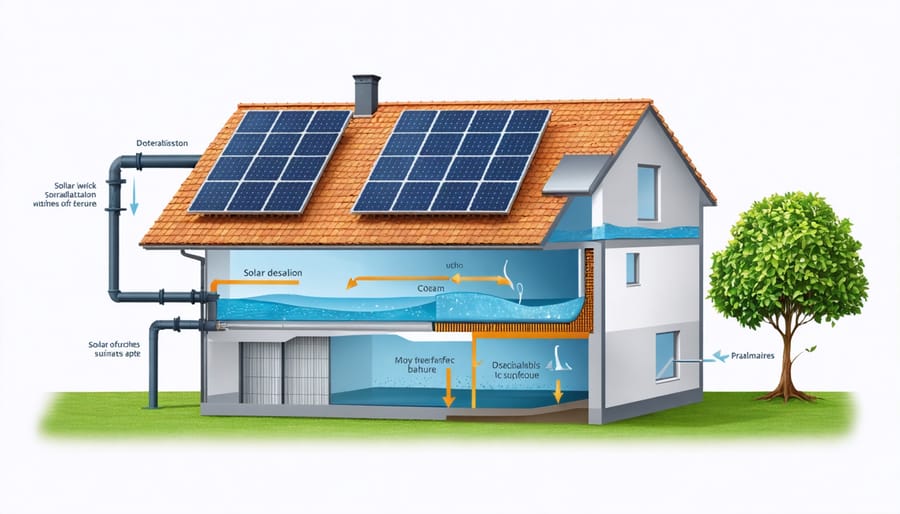
The solar-powered desalination process transforms saltwater into clean, drinkable water through a series of natural and efficient steps. First, saltwater enters a collection basin where it’s exposed to direct sunlight. As the sun heats the water, it begins to evaporate, leaving behind salt and other impurities. The water vapor rises and collects on a clear, slanted surface – typically glass or specialized plastic.
This is where nature’s water cycle comes into play. The vapor cools and condenses on the surface, forming pure water droplets. These droplets then flow down the slanted surface into a collection channel, much like rain running off a roof. The collected water is now free from salt and most contaminants.
Some advanced systems include additional purification steps, such as carbon filtering or UV treatment, to ensure the highest water quality. The remaining concentrated saltwater, called brine, is either collected for salt harvesting or safely returned to the ocean. This entire process runs solely on solar energy, making it both environmentally friendly and cost-effective for long-term use.
Types of Home Solar Desalination Systems
Direct Solar Stills
Direct solar stills offer a simple yet effective solution for small-scale water desalination using nothing but the power of the sun. These passive systems work much like nature’s water cycle – sunlight heats and evaporates saltwater, which then condenses as pure freshwater, leaving salt and contaminants behind.
The basic design consists of a shallow basin filled with saltwater, covered by a sloped transparent cover (usually glass or plastic). As sunlight passes through the cover, it heats the water, causing it to evaporate. The water vapor rises and condenses on the cooler cover surface, running down into collection troughs.
A typical household-sized solar still can produce 2-3 liters of clean water per day, making them ideal for emergency preparedness or off-grid living. While the output is modest, these systems require no electricity, moving parts, or maintenance beyond occasional cleaning.
To improve efficiency, many DIY enthusiasts add simple enhancements like black basin liners to increase heat absorption, or reflective sides to maximize sun exposure. Some creative homeowners even integrate stills into greenhouse designs, using the excess heat for plant growth.
While not suitable for large-scale needs, direct solar stills provide an environmentally friendly option for basic water purification. Their simplicity, reliability, and zero operating costs make them particularly attractive for remote locations or as backup water sources.
Active Solar Systems
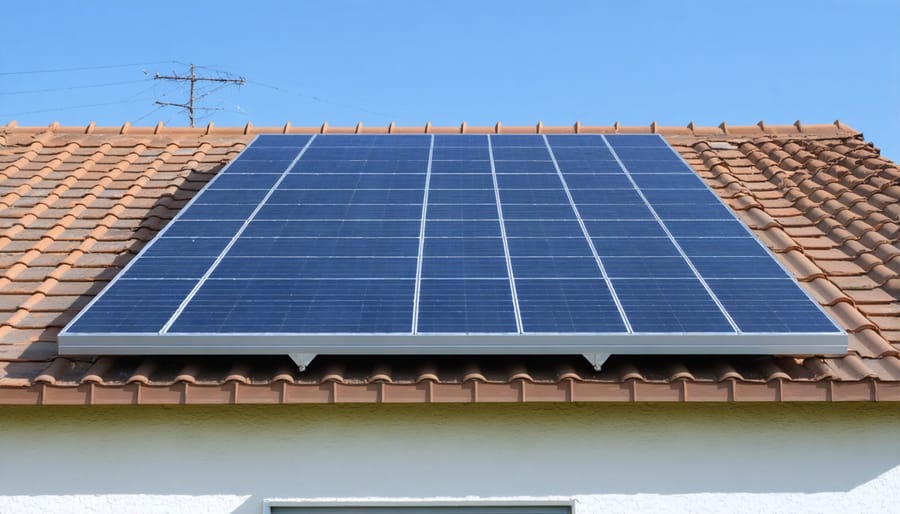
Active solar desalination systems represent a significant leap forward in water purification technology, offering higher output capacity and improved efficiency compared to passive systems. These advanced setups incorporate pumps, heat exchangers, and sophisticated smart solar integration to maximize water production.
The heart of an active system typically includes solar thermal collectors or photovoltaic panels that power the entire process. These collectors heat the saltwater more effectively than passive systems, reaching temperatures of up to 185°F (85°C). This higher temperature range significantly increases the evaporation rate and, consequently, the amount of fresh water produced.
A typical active system can generate between 100-1,000 gallons of fresh water daily, making it suitable for small communities or commercial applications. The system uses automated controls to maintain optimal performance throughout the day, adjusting water flow rates and temperature levels as needed.
Key components include:
– High-efficiency solar collectors
– Circulation pumps
– Heat exchangers
– Automated control systems
– Water storage tanks
– Monitoring equipment
While these systems require more initial investment and maintenance than passive alternatives, they offer superior reliability and consistent output. Many modern installations also feature remote monitoring capabilities, allowing users to track performance and schedule maintenance efficiently.
Installation and Maintenance
Setting Up Your System
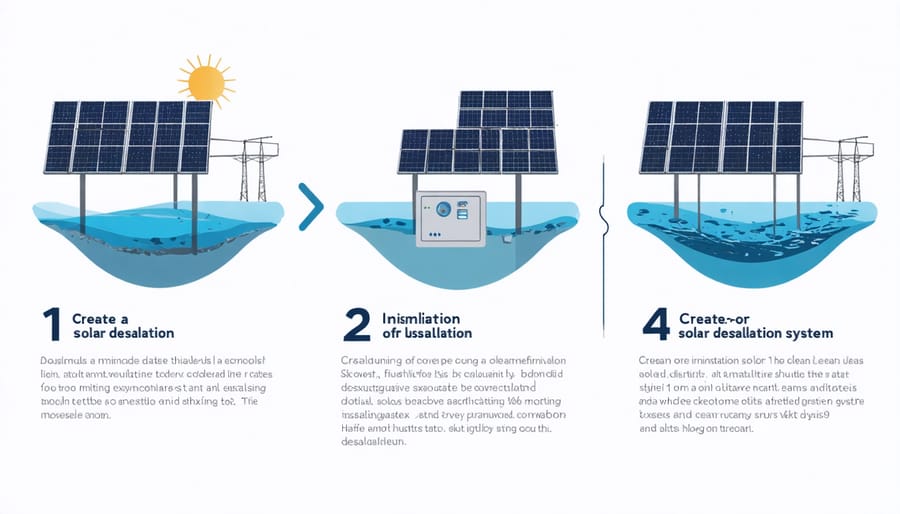
Setting up your solar-powered desalination system begins with a thorough site assessment. Choose a location that receives maximum sunlight throughout the day, ideally with southern exposure. Ensure you have enough space for both solar panels and the desalination unit, typically requiring at least 200 square feet for a residential system.
Start by installing the solar panel array, mounting them at a 30-45 degree angle for optimal sun exposure. Connect the panels to a charge controller and battery bank to ensure consistent power supply, even during cloudy periods. The desalination unit should be positioned close to your water source and protected from extreme weather conditions.
Install the pre-filtration system first, which removes larger particles before the water enters the main desalination unit. Connect the intake pipe to your water source, ensuring it’s properly sealed and filtered. Next, set up the reverse osmosis or membrane distillation unit, depending on your chosen technology.
Connect the power supply from your solar system to the desalination unit through a dedicated inverter. Install water storage tanks for both the processed freshwater and the concentrated brine output. Ensure proper drainage for the brine solution that complies with local regulations.
Finally, test the system thoroughly before full operation. Monitor water quality regularly and maintain a log of system performance. Regular maintenance includes cleaning solar panels, replacing filters, and checking membrane conditions every 3-6 months.
Regular Maintenance Tips
To keep your solar desalination system running efficiently, establish a regular maintenance routine. Clean the solar panels monthly using distilled water and a soft brush to remove dust, salt deposits, and debris. Check the collection trays weekly for mineral buildup and clean them with a vinegar solution to prevent scaling.
Inspect seals and connections every three months to prevent water leakage and maintain system efficiency. Replace any worn-out seals immediately to avoid performance drops. The filtration components should be cleaned or replaced according to manufacturer specifications, typically every 4-6 months.
Monitor water quality weekly using testing strips and adjust the system settings if needed. Keep detailed maintenance logs to track system performance and identify potential issues early. During winter months, drain the system if temperatures drop below freezing to prevent pipe damage.
For coastal installations, increase cleaning frequency due to salt spray exposure. Consider scheduling professional maintenance annually to ensure optimal performance and longevity of your system. Remember that consistent maintenance not only extends system life but also maintains water quality and energy efficiency.
Cost and Energy Savings
Investing in solar-powered desalination systems can seem daunting at first, but the long-term benefits often outweigh the initial costs. According to recent solar energy cost analysis, a typical residential system ranges from $5,000 to $15,000, depending on your water needs and system capacity.
The good news is that these systems typically pay for themselves within 5-7 years through reduced utility bills and water costs. Many homeowners report saving 60-80% on their water expenses after installation, with some saving up to $200 monthly in areas with high water rates.
Let’s break down the savings:
– Reduced or eliminated water utility bills
– Lower electricity costs from using solar power
– Minimal maintenance expenses (usually just annual cleaning)
– Potential tax incentives and rebates
– Increased property value
Energy savings are equally impressive, with most systems using 70% less electricity compared to traditional water treatment methods. This translates to approximately 2,000-3,000 kWh saved annually for an average household.
Real-world example: The Johnson family in Arizona installed a solar desalination system in 2021 for $12,000. After federal tax credits and state rebates, their net cost was $8,400. They now save $180 monthly on water and energy bills combined, putting them on track to recover their investment in just over four years.
Many states offer additional incentives for sustainable water solutions, which can reduce your initial investment by 20-30%. Some utility companies also provide performance-based incentives, offering ongoing rewards for reduced grid dependency.
Remember that costs vary by region, system size, and water quality needs. It’s worth consulting with local installers who can provide detailed estimates based on your specific situation and help identify available incentives in your area.
As we’ve explored throughout this article, solar-powered desalination represents a groundbreaking solution to two of our most pressing global challenges: water scarcity and sustainable energy production. By harnessing the sun’s power to transform saltwater into clean, drinkable water, this technology offers hope for communities worldwide while maintaining environmental responsibility.
The benefits of solar desalination are clear and compelling. Not only does it provide a renewable source of fresh water without contributing to carbon emissions, but it also offers significant cost savings over traditional desalination methods. For homeowners and property managers, this means reduced utility bills and increased property value, all while contributing to a more sustainable future.
What’s particularly exciting is how accessible this technology has become. With various systems available at different price points and scales, there’s a solution for nearly every situation – from small residential installations to larger commercial applications. The initial investment is increasingly offset by long-term savings and potential government incentives.
As we look to the future, the adoption of solar desalination technology will only grow more important. Climate change continues to affect water availability worldwide, making sustainable water solutions not just beneficial but necessary. By embracing this technology today, you’re not only securing your own water future but also contributing to a larger environmental solution.
We encourage you to take the next step in exploring solar desalination for your property. Whether you start small with a residential system or plan a larger installation, you’ll be joining a growing community of forward-thinking individuals who are actively shaping a more sustainable world. The time to act is now – for our planet, our communities, and our future generations.