Solar-Powered Vehicles Are Transforming How We Move (Here’s What You Need to Know)
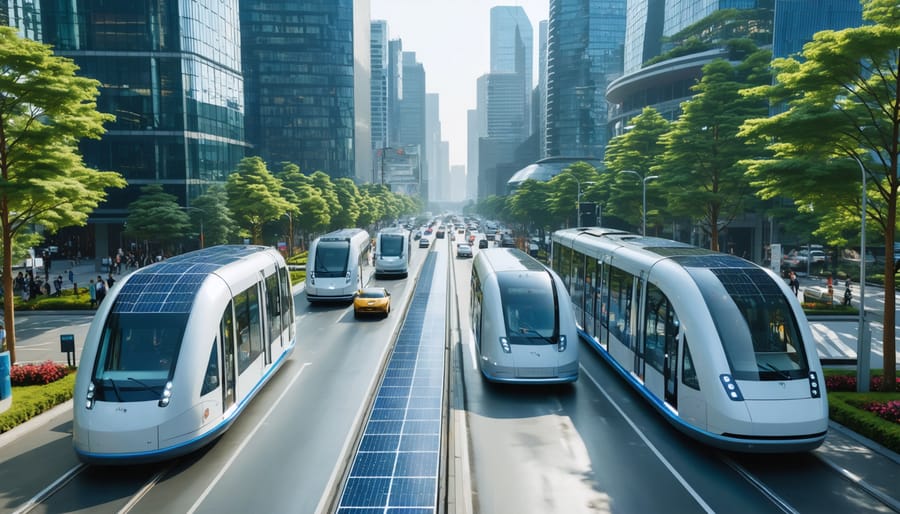
Solar-powered transportation is revolutionizing how we move across cities and continents, marking a pivotal shift in our journey toward sustainable transportation infrastructure. From solar-powered trains gliding silently through European countryside to electric vehicles charging at photovoltaic-equipped stations, this technology is already transforming our daily commutes. The integration of solar panels into vehicles themselves – from cars to buses and even aircraft – represents a breakthrough in clean mobility, promising to slash carbon emissions while delivering unprecedented energy independence.
Recent innovations in solar cell efficiency and energy storage systems have made solar-powered transportation increasingly practical and cost-effective. Solar vehicles now achieve ranges comparable to traditional fossil-fuel counterparts, while smart charging networks ensure consistent power availability even on cloudy days. As cities worldwide embrace this technology, we’re witnessing the emergence of a transportation ecosystem that harnesses the sun’s unlimited energy to power our journey into a sustainable future.
These advancements aren’t just reshaping personal transportation – they’re revolutionizing entire logistics networks, with solar-powered cargo ships and delivery vehicles leading the charge toward zero-emission freight movement. This transformation represents more than just technological progress; it’s a fundamental shift in how we envision the future of mobility.
How Solar Vehicles Actually Work
Solar Panels and Power Collection
Vehicle-mounted solar panels represent a groundbreaking advancement in transportation technology. Understanding the solar power basics is essential before diving into these sophisticated collection systems.
Modern solar panels designed for vehicles use lightweight, flexible photovoltaic cells that can conform to various surface shapes while maintaining high efficiency. These panels typically feature a combination of monocrystalline and thin-film technologies, offering the best balance between power generation and weight considerations.
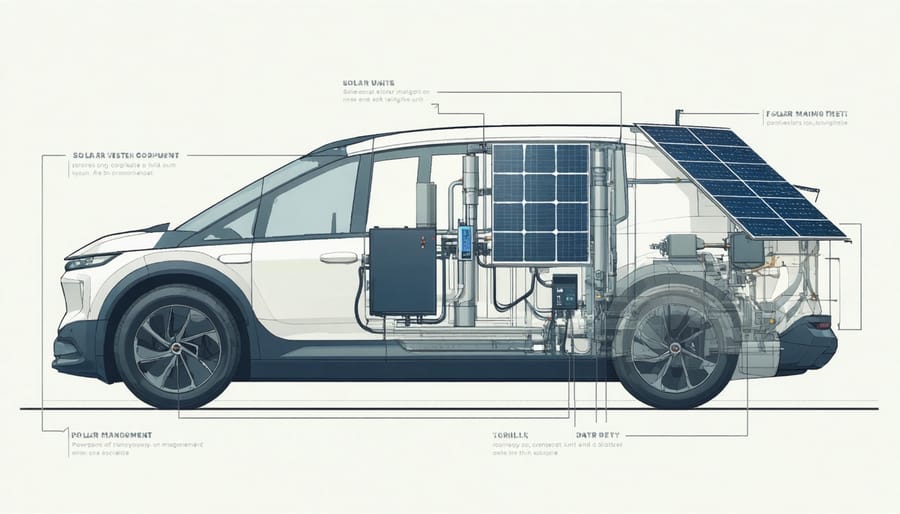
The power collection system includes several key components:
– Solar panels mounted on the vehicle’s roof, hood, or sides
– Power optimizers to maximize energy collection
– Smart charge controllers to regulate power flow
– Energy storage systems (usually lithium-ion batteries)
– Power distribution units
Most vehicle solar systems can generate between 200-800 watts per day, depending on panel size and sunlight conditions. This power can extend an electric vehicle’s range by 10-40 miles daily under optimal conditions. Some advanced systems even incorporate tracking technology that slightly adjusts panel angles to maximize sun exposure while the vehicle is parked.
Installation requires careful consideration of aerodynamics and weight distribution. Modern panels add minimal drag and typically weigh less than 20 pounds per square meter, making them practical for most vehicle types. The latest designs also include protective coatings that resist environmental damage and maintain peak performance for up to 25 years.
Energy Storage and Management
Effective energy storage and management are crucial components of any solar-powered transportation system. Modern lithium-ion batteries have revolutionized how we store solar energy, making mobile solar power systems more practical than ever before.
These advanced battery systems can store excess energy generated during peak sunlight hours for use when the sun isn’t shining. Most solar vehicles employ smart power management systems that automatically distribute power based on real-time needs, much like a sophisticated thermostat manages your home’s temperature.
The key to maximizing battery life lies in proper charge cycling and temperature control. Modern energy management systems include features like:
– Intelligent charge controllers that prevent overcharging
– Temperature monitoring systems that protect battery cells
– Power distribution optimization for different vehicle functions
– Real-time energy consumption tracking
Many solar vehicles now incorporate regenerative braking, which captures energy typically lost during braking and feeds it back into the battery system. This feature can extend range by up to 10-15% in urban environments.
For longer journeys, rapid charging capabilities allow these vehicles to connect to traditional charging stations, providing flexibility when solar charging isn’t sufficient. Some systems even allow for bi-directional charging, enabling vehicles to serve as mobile power banks for homes or other devices during emergencies.
Real Solar Vehicles You Can Use Today
Solar-Enhanced Electric Cars
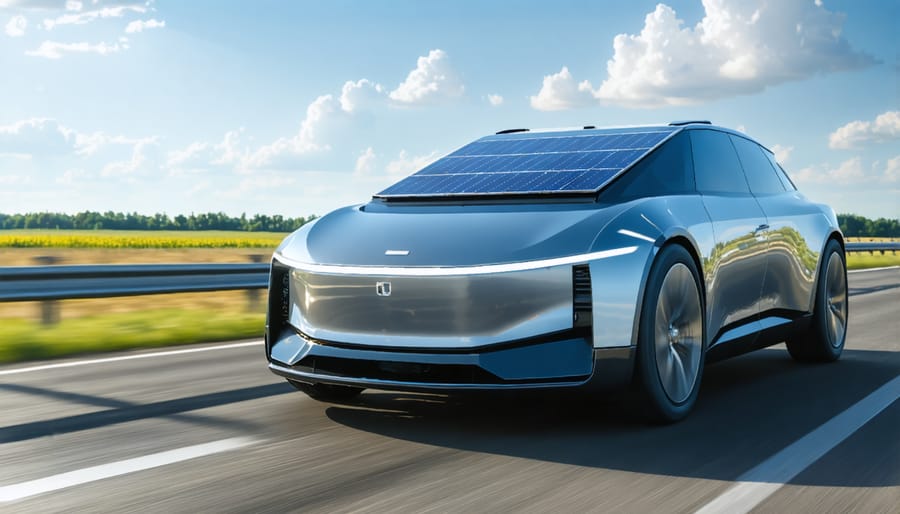
Solar-powered electric vehicles represent a significant leap forward in sustainable transportation, combining the benefits of traditional EVs with on-board solar charging capabilities. Leading manufacturers like Lightyear and Sono Motors have introduced innovative models that feature integrated solar panels across their body surfaces, enabling them to generate power while parked or driving.
The Lightyear 0, for example, can add up to 43 miles of range per day through solar charging alone in optimal conditions. Meanwhile, the Sono Sion incorporates 456 solar half-cells seamlessly into its exterior, capable of providing an additional 70-150 miles per week from solar power, reducing the need for plug-in charging.
These vehicles utilize special lightweight solar cells that are more durable than traditional panels and are designed to withstand various weather conditions. The integration of solar technology helps address range anxiety, one of the main concerns potential EV buyers face, by providing continuous charging throughout the day.
What makes these vehicles particularly appealing is their ability to reduce dependency on charging infrastructure. In sunny regions, daily commuters might rarely need to plug in their vehicles, as the solar systems can handle their regular driving needs. This technology is especially beneficial in areas with limited charging stations or for drivers who don’t have access to home charging solutions.
The future looks promising as manufacturers continue to improve solar cell efficiency and integration techniques, making solar-enhanced EVs increasingly practical for everyday use.
Solar Bikes and Personal Transport
Solar-powered personal transportation is revolutionizing how we think about short-distance travel. Solar bikes, equipped with photovoltaic panels on their frames or charging stations, offer an eco-friendly alternative to traditional bicycles and e-bikes. These innovative vehicles typically feature built-in batteries that store solar energy, allowing riders to travel between 15-30 miles on a single charge.
Electric scooters with solar charging capabilities are also gaining popularity in urban areas. These lightweight vehicles can be charged at solar-powered docking stations, making them a convenient option for last-mile transportation. Some models even incorporate flexible solar panels on their platforms, extending their range through continuous charging during daylight hours.
Personal mobility devices like solar-powered wheelchairs and mobility scooters are making sustainable transportation more accessible to everyone. These vehicles often come with removable solar panels that can be positioned for optimal charging when parked, ensuring users maintain their independence while reducing their carbon footprint.
Several cities have started integrating solar charging stations for personal transport devices into their urban infrastructure, creating a network of sustainable mobility options for residents and visitors alike.
Solar Public Transportation
Solar-powered public transportation is revolutionizing the way cities move their citizens while reducing carbon emissions. Cities worldwide are embracing solar buses as a sustainable alternative to traditional diesel-powered vehicles. In China, the city of Zhuzhou operates a fleet of solar-assisted electric buses that use rooftop panels to extend their range and reduce charging requirements.
Adelaide, Australia, has implemented solar-powered bus stops that not only provide shelter but also generate electricity for digital displays and USB charging stations. The innovative design allows excess energy to feed back into the city’s power grid.
In Uganda, Kampala’s Kayoola Solar Bus showcases African innovation in sustainable transport. These buses feature solar panels on the roof that help power the electric drivetrain, reducing operational costs and environmental impact.
Several European cities are testing solar trams and light rail systems. The Byron Bay Solar Train in Australia stands out as the world’s first entirely solar-powered train, proving that solar public transportation is not just a concept but a practical reality.
These successful implementations demonstrate how solar power can make public transportation more sustainable while reducing operating costs for cities and transit authorities.
Benefits and Practical Considerations
Environmental Impact
Solar-powered transportation represents a significant leap forward in reducing our carbon footprint and combating climate change. When vehicles run on solar energy instead of fossil fuels, they produce zero direct emissions during operation, dramatically decreasing air pollution in urban areas. A typical solar-powered vehicle can prevent approximately 4-5 metric tons of CO2 emissions annually compared to a conventional gasoline-powered vehicle.
The environmental benefits extend beyond just reducing emissions. Solar transportation systems help decrease noise pollution, as electric motors operate much more quietly than internal combustion engines. This creates more livable cities and reduces stress on local wildlife. Additionally, solar vehicles require fewer harmful materials and fluids compared to traditional vehicles, reducing the risk of environmental contamination through leaks or disposal.
The manufacturing process of solar transportation components is becoming increasingly sustainable. Modern solar panel production facilities are increasingly powered by renewable energy, creating a virtuous cycle of clean energy production. The lifespan of solar panels used in transportation typically extends beyond 25 years, and most components are recyclable, minimizing waste.
By incorporating solar energy into transportation infrastructure, such as solar-powered charging stations and solar panels along railways, we’re creating a more resilient and environmentally friendly transportation network. This systematic approach to sustainable transport helps preserve natural resources while paving the way for a cleaner, greener future.
Cost Analysis
The transition to solar-powered transportation involves significant upfront investment, but the long-term benefits often outweigh initial costs. Electric vehicles equipped with solar panels typically cost 20-30% more than traditional EVs, but owners can expect to recover this premium through reduced energy expenses within 5-7 years.
For commercial fleet operators, implementing cost-effective solar solutions can result in substantial savings. Companies report a 40-60% reduction in fuel costs after transitioning to solar-hybrid vehicles, with maintenance costs dropping by approximately 25% due to fewer moving parts and simplified systems.
Infrastructure costs vary significantly based on scale and application. A basic solar charging station for personal use starts at $3,000, while commercial installations can range from $50,000 to $500,000. However, government incentives, tax credits, and renewable energy certificates can offset 30-50% of these initial expenses.
The return on investment timeline depends on several factors:
– Daily usage and solar exposure
– Local electricity rates
– Available tax incentives
– Maintenance requirements
– Battery replacement schedules
Most solar transportation systems achieve complete cost recovery within 8-12 years, with some commercial applications breaking even in as little as 5 years. Additionally, as technology improves and production scales up, these costs continue to decrease, making solar transportation increasingly accessible to both individuals and organizations.
Maintenance Requirements
Solar-powered vehicles require surprisingly less maintenance compared to traditional combustion engine vehicles, making them an attractive option for environmentally conscious travelers. The main maintenance focus centers on the solar panels themselves, which need regular cleaning to maintain optimal efficiency. A simple monthly cleaning routine using water and a soft brush is usually sufficient to remove dust, dirt, and debris.
Battery maintenance is another crucial aspect, though modern lithium-ion batteries used in solar vehicles typically require minimal upkeep. Regular checks of the battery’s charge levels and overall health should be performed every six months. The electrical systems and connections should also be inspected annually by a qualified technician to ensure everything is functioning correctly.
One unique advantage of solar vehicles is the reduced number of moving parts compared to traditional vehicles, which means fewer components that can wear out or break down. However, owners should still perform routine checks of tires, brakes, and suspension systems as they would with any vehicle.
Solar panel degradation is minimal, with most panels maintaining 80% or more of their efficiency even after 25 years. To maximize longevity, it’s recommended to park in covered areas when possible during extreme weather conditions and maintain a log of the vehicle’s performance metrics.
Regular software updates are also important for solar vehicles, as these often include improvements to energy management systems and overall vehicle efficiency.
As we look toward the horizon of sustainable transportation, solar-powered vehicles and infrastructure represent more than just technological innovation – they embody our commitment to a cleaner, more sustainable future. The rapid advancement in solar technology, coupled with decreasing costs and increasing efficiency, makes solar transportation increasingly viable for both personal and commercial use.
You can be part of this transportation revolution today. Start by exploring solar-powered charging stations for electric vehicles at your home or workplace. Consider investing in solar-powered accessories for your current vehicle, such as solar ventilation fans or battery maintainers. For businesses, implementing solar carports or charging stations can attract environmentally conscious customers while reducing operational costs.
The future of solar transportation is remarkably bright. Industry experts predict that by 2030, we’ll see widespread adoption of solar-integrated vehicles, from cars and buses to trains and even aircraft. Solar roads and highways will become more common, charging vehicles as they drive. The integration of smart grid technology will allow seamless power distribution between vehicles and the electrical grid.
To prepare for this solar-powered future:
1. Stay informed about solar transportation developments in your area
2. Support local initiatives for solar-powered public transportation
3. Consider solar options when purchasing your next vehicle
4. Join community groups focused on sustainable transportation
5. Advocate for solar transportation infrastructure in your community
Remember, every step toward solar transportation, no matter how small, contributes to a more sustainable future. Whether you’re a homeowner installing a solar charging station or a business leader transitioning to a solar-powered fleet, your actions help accelerate the adoption of clean transportation technology.
The path to widespread solar transportation may seem challenging, but the benefits – reduced emissions, lower operating costs, and energy independence – make it a journey worth taking. Together, we can drive the transformation toward a cleaner, more sustainable transportation future.