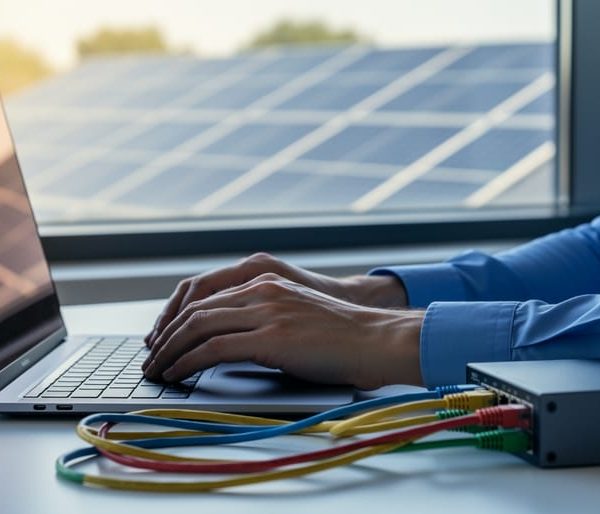
Transform Your Home Into a Solar-Powered Sanctuary (And Slash Energy Bills)
Transform your home into a self-sustaining powerhouse as you embark on your clean energy journey. Solar-powered houses represent the perfect fusion of environmental responsibility and smart financial planning, delivering up to 100% energy independence while slashing utility bills by 50-90%. Today’s advanced solar technology makes it possible for any home to harness the sun’s unlimited potential, whether you’re retrofitting an existing structure or building from the ground up.
Modern solar-powered homes go far beyond simple rooftop panels. These sophisticated living spaces integrate smart energy management systems, battery storage solutions, and efficient appliances to create a comprehensive ecosystem that maximizes every ray of sunlight. With federal tax incentives covering up to 30% of installation costs and home values increasing by an average of 4.1% with solar additions, the financial benefits are as compelling as the environmental impact.
From compact urban dwellings to sprawling suburban estates, solar technology adapts to any architectural style while providing reliable, clean power for decades to come. The revolution in sustainable living isn’t just about energy independence – it’s about creating homes that work in harmony with nature while meeting the demands of modern life.

Essential Components of a Solar-Powered Home
Solar Panel System Design
Choosing the right solar panel system for your home involves careful consideration of several key factors. Most residential installations use either monocrystalline or polycrystalline panels, with monocrystalline being more efficient but slightly costlier. For an average 2,000-square-foot home, a system size between 5kW and 7kW is typically sufficient to meet household energy needs.
Panel placement is crucial for maximizing energy production. South-facing roof sections receive the most sunlight in the Northern Hemisphere, making them ideal for installation. The optimal roof angle is between 30-45 degrees, though panels can be mounted on most pitched roofs. Consider factors like shade from nearby trees or buildings, which can significantly impact system performance.
When sizing your system, start by analyzing your annual electricity consumption from utility bills. A good rule of thumb is that every 1kW of solar panels generates about 1,200 kilowatt-hours annually in sunny regions. Factor in your available roof space – you’ll need approximately 100 square feet for every 1kW of solar panels.
Modern solar panels come with smart monitoring systems that help track performance and energy production in real-time. Many homeowners opt for microinverters or power optimizers, which can increase system efficiency by up to 25% and provide panel-level monitoring capabilities. These components ensure each panel performs at its peak, even if some panels are partially shaded or facing different directions.
Energy Storage Solutions
Energy storage is a crucial component of any solar-powered home, ensuring you have access to electricity even when the sun isn’t shining. Modern solar power storage systems have come a long way, offering homeowners reliable and efficient ways to store excess energy for later use.
The heart of most storage solutions is the battery system, with lithium-ion batteries being the most popular choice due to their long lifespan and excellent performance. These batteries can store enough energy to power your home through the night or during cloudy days, typically lasting 10-15 years with proper maintenance.
For complete peace of mind, many homeowners opt for a hybrid system that combines battery storage with a grid connection. This setup ensures you’ll never run out of power, even during extended periods of low sunlight. The system automatically switches between stored solar energy and grid power as needed, maintaining seamless operation of your home.
When selecting a storage solution, consider factors like:
– Your daily energy consumption
– Local weather patterns
– Available space for battery installation
– Budget constraints
– Future energy needs
Many systems now come with smart monitoring capabilities, allowing you to track energy usage and storage levels through your smartphone, helping you optimize your power consumption for maximum efficiency.
Smart Integration for Maximum Efficiency
Energy Management Systems
Modern solar-powered homes are made even more efficient with smart energy management systems that act as the brains of your renewable energy setup. These systems help you monitor and control your home’s energy production and consumption in real-time through user-friendly smartphone apps or web interfaces.
A typical energy management system includes power meters, smart thermostats, and automated switches that work together to optimize your home’s energy use. You can track how much electricity your solar panels generate, how much energy your household consumes, and even which appliances use the most power.
The real magic happens with automation features. These systems can automatically adjust your home’s energy usage based on solar production. For instance, they might run your dishwasher or charge your electric vehicle when solar production is at its peak, or reduce air conditioning usage when solar output is lower.
Many homeowners report saving an additional 20-30% on their energy bills after installing these systems. Sarah Thompson, a solar homeowner in California, shares, “Our energy management system helped us reduce our grid dependency by 85%. It’s like having a personal energy advisor that makes sure we’re using our solar power as efficiently as possible.”
These systems also provide valuable insights through detailed reports and analytics, helping you make informed decisions about your energy usage and identify areas for improvement.

Energy-Efficient Appliances
Selecting energy-efficient appliances is crucial for maximizing the benefits of your solar-powered home. Look for appliances with ENERGY STAR certification, which typically use 10-50% less energy than standard models. When shopping, pay special attention to the EnergyGuide label, which shows annual energy consumption and operating costs.
For optimal solar compatibility, prioritize appliances that offer smart features and time-of-use programming. These allow you to schedule heavy energy usage during peak solar production hours. Consider replacing old refrigerators, washing machines, and dryers first, as these tend to be the biggest energy consumers in most homes.
Heat pump water heaters are particularly well-suited for solar homes, using up to 63% less energy than traditional electric models. For cooking, induction cooktops provide excellent energy efficiency while offering precise temperature control. LED lighting throughout your home can reduce electricity usage by up to 90% compared to traditional bulbs.
Smart thermostats can significantly optimize your HVAC system’s performance by learning your schedule and adjusting temperatures automatically. Many modern appliances also come with smartphone connectivity, allowing you to monitor and control energy usage remotely.
Remember to maintain your appliances regularly to ensure they operate at peak efficiency. Clean filters, check seals, and address any maintenance issues promptly to prevent unnecessary energy waste and extend the lifespan of your investments.
Real Cost Benefits and ROI
Initial Investment vs. Long-term Savings
While the initial investment in a solar-powered house may seem substantial, ranging from $15,000 to $25,000 for an average residential system, the long-term financial benefits often outweigh the upfront costs. Today’s affordable solar solutions and various financing options make the transition more accessible than ever.
Most homeowners see a return on investment within 5-7 years through reduced electricity bills, which typically drop by 50-90%. Federal tax incentives currently offer a 30% credit on installation costs, while many states provide additional rebates and incentives. Some homeowners report monthly energy savings of $100-$200, translating to $24,000-$48,000 over a 20-year period.
The lifespan of modern solar panels extends to 25-30 years, providing decades of reliable energy production. When combined with energy storage solutions like batteries, the savings potential increases as you can store excess energy for use during peak rate hours or cloudy days.
Property value also typically increases by 4-6% with solar installation, offering an immediate return on investment should you decide to sell. Many homeowners find that financing options, including solar loans and leasing programs, make the initial investment more manageable while still allowing them to benefit from long-term savings.
Available Incentives and Tax Benefits
Making the switch to solar power has never been more financially appealing, thanks to numerous government incentives and tax benefits. The Federal Solar Tax Credit, also known as the Investment Tax Credit (ITC), allows homeowners to deduct 30% of their solar system installation costs from their federal taxes through 2032.
Many states offer additional tax incentives and rebates. For example, California provides the Self-Generation Incentive Program (SGIP), while New York offers the NY-Sun Incentive Program. These state-level programs can significantly reduce your initial investment costs.
Local utilities often provide net metering programs, allowing you to earn credits for excess energy your system produces. Some municipalities also offer property tax exemptions for solar installations, meaning your property taxes won’t increase despite the added home value.
Several states have Solar Renewable Energy Credits (SRECs) markets, where you can earn additional income by selling credits for the clean energy your system generates. Some utility companies provide performance-based incentives, paying you for every kilowatt-hour your system produces.
Remember to check with local authorities and solar installers, as available incentives vary by location and may change over time. Many installers will help you navigate the paperwork and maximize your eligible benefits.
Maintenance and Upkeep

Regular Maintenance Schedule
To keep your solar-powered house running efficiently, following a regular solar system maintenance schedule is essential. Here’s a comprehensive timeline of maintenance tasks to ensure optimal performance:
Monthly Tasks:
• Visual inspection of solar panels for dirt, debris, or damage
• Check system monitoring displays for performance metrics
• Review energy production data
• Clean panels if necessary (especially during pollen or dusty seasons)
Quarterly Tasks:
• Inspect mounting hardware and tighten if needed
• Check for shade issues from growing vegetation
• Review all electrical connections
• Clean any ventilation systems
Semi-Annual Tasks:
• Professional inspection of inverter performance
• Testing of backup batteries (if installed)
• Thorough panel cleaning
• Check roof integrity around mounting points
Annual Tasks:
• Complete professional system inspection
• Update monitoring software
• Test emergency shutdown systems
• Review system efficiency data
• Inspect and service backup power systems
As seasons change, adjust your maintenance schedule accordingly. Spring typically requires more frequent cleaning due to pollen, while fall might need extra attention to clear fallen leaves. Keep a maintenance log to track performance and identify potential issues early. Remember that professional inspections are crucial for warranty maintenance and optimal system performance.
Consider scheduling professional maintenance visits during mild weather months for safer roof access and more thorough inspections. This proactive approach helps maximize your system’s lifespan and maintain peak energy production.
Troubleshooting Common Issues
While solar power systems are generally reliable, you might encounter some common issues. Here’s how to address them and know when to seek professional help.
If you notice a sudden drop in energy production, first check your monitoring system for error messages. Often, the issue is as simple as dirty solar panels. Regular cleaning with water and a soft brush can restore optimal performance. During winter, ensure snow isn’t blocking your panels – most systems are designed to shed snow naturally.
When your inverter displays warning lights or error codes, try a basic reset by turning it off for five minutes before restarting. If the problem persists, document the error code for your solar technician. Battery systems might show reduced capacity over time – this is normal, but if you notice dramatic changes, consult your installer.
Contact professionals immediately if you observe:
– Loose or damaged wiring
– Cracked or severely damaged panels
– Inverter problems that persist after reset
– Unusual noises from the system
– Significant unexplained performance drops
– Water damage or leaks around installations
Keep your warranty information and installer’s contact details readily available. Most reputable solar companies offer 24/7 emergency support. For routine maintenance, schedule annual professional inspections to catch potential issues early and ensure your system operates at peak efficiency.
Remember, never attempt electrical repairs yourself – solar systems involve high voltages that require certified technicians to handle safely.
As we’ve explored throughout this article, solar-powered houses represent more than just an environmentally conscious choice – they’re a smart investment in our future. By harnessing the sun’s energy, homeowners can significantly reduce their carbon footprint while enjoying substantial energy savings and increased property value.
The transition to solar power has never been more accessible. With advancing technology, decreasing installation costs, and numerous government incentives, the barriers to entry continue to fall. Whether you’re considering a complete solar system installation or starting with small solar-powered features, every step toward renewable energy makes a difference.
Remember that a solar-powered house isn’t just about installing panels – it’s about creating a sustainable living space that works in harmony with nature. From improved energy efficiency to reduced utility bills, the benefits extend far beyond environmental impact. The growing community of solar homeowners demonstrates that this technology is not just viable but increasingly becoming the standard for modern housing.
Take the first step today by assessing your home’s solar potential. Connect with local solar installers, explore available incentives, and join the movement toward a more sustainable future. Your decision to embrace solar power isn’t just an investment in your home – it’s an investment in our planet’s future.
The journey to a solar-powered home may seem daunting, but the long-term rewards make it worthwhile. Together, we can create a brighter, cleaner future powered by the sun.