Critical Solar Panel Questions That Protect Your Investment
Transform your home into a sustainable energy powerhouse by asking the right questions before your solar panel installation process begins. Understanding the crucial details now saves thousands in potential mistakes and ensures optimal energy production for decades to come.
Smart homeowners know that solar installation success hinges on three key areas: technical compatibility, financial clarity, and installer credentials. Your roof’s orientation, shade patterns, and structural integrity determine your system’s potential performance. Rebates, tax incentives, and financing options can reduce your initial investment by 50% or more. Meanwhile, choosing a certified installer with proven experience protects your investment and ensures proper system operation.
Before signing any contracts, arm yourself with essential questions about warranty coverage, maintenance requirements, and performance guarantees. Whether you’re aiming to eliminate your electricity bill completely or reduce your carbon footprint, the right information empowers you to make confident decisions about your solar investment. Let’s explore the critical questions that will guide you toward a successful solar installation.
Property Assessment Questions
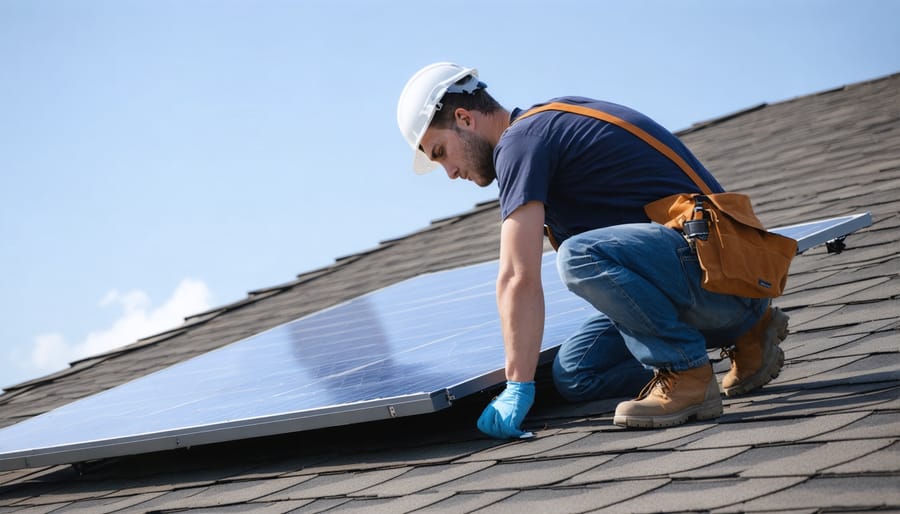
Roof Evaluation
Your roof’s condition and characteristics play a crucial role in the success of your solar installation. Start by asking your installer about your roof’s age and structural integrity. A roof nearing the end of its life might need replacement before installing panels, saving you money and hassle in the long run.
Ask about your roof’s orientation and pitch. South-facing roofs typically capture the most sunlight in North America, but southeast and southwest orientations can also work well. The ideal roof pitch for solar panels is between 30-45 degrees, though panels can be installed on most slopes with proper mounting equipment.
Consider asking these specific questions about your roof:
– How much weight can my roof support?
– Are there any weak spots or repairs needed?
– Will my roof’s material affect the installation process?
– How much usable space is available after accounting for vents, chimneys, and other obstacles?
– Will shade from nearby trees or buildings impact panel performance?
– What measures will be taken to prevent roof leaks?
It’s also worth discussing the warranty implications of solar installation. Some roofing warranties might be affected by panel installation, so ask your installer about their experience with your specific roof type and how they’ll protect your existing roof warranty.
Remember to request a thorough roof inspection before committing to installation. This helps identify any potential issues early and ensures your roof is ready for its solar upgrade.
Shading Analysis
Shading can significantly impact your solar panels’ performance, so it’s crucial to discuss this with your installer during the initial assessment. Ask about potential obstacles like nearby trees, buildings, chimneys, or satellite dishes that might cast shadows on your roof. Remember that shade patterns change throughout the day and across seasons.
Consider these key questions about shading:
– Will nearby trees grow taller and create future shading issues?
– How do surrounding buildings affect sun exposure throughout the day?
– Are there plans for new construction in adjacent properties that could impact sunlight?
– What percentage of your roof receives optimal sunlight?
A professional installer should conduct a detailed shade analysis using specialized tools to measure sun exposure throughout the year. They should explain how different areas of your roof receive sunlight and identify the best placement for maximum energy production.
Ask about solutions for partial shading, such as microinverters or power optimizers, which can help maintain system efficiency even when some panels are partially shaded. Your installer should also discuss whether tree trimming or removal might be necessary to maximize your system’s performance.
Don’t forget to request a solar access guarantee that estimates your system’s annual production based on the shading analysis. This will help you understand exactly what to expect from your investment.
System Design Questions
Power Requirements
Understanding your power requirements is crucial before installing solar panels. Start by asking your installer to analyze your current electricity usage patterns through recent utility bills. What’s your average monthly consumption in kilowatt-hours (kWh)? Are there seasonal variations in your energy use?
Consider your future energy needs too. Are you planning to add an electric vehicle, expand your home, or install new appliances? These changes can significantly impact your power requirements and the system size you’ll need.
Ask about peak energy times and how they align with solar production. Will your system generate enough power during high-demand periods? What percentage of your current energy usage can the proposed system cover? Some homeowners aim for 100% solar coverage, while others prefer a hybrid approach.
Don’t forget to discuss energy storage options. Will you need batteries to store excess power for nighttime use or emergency backup? How much storage capacity would be appropriate for your needs?
Your installer should explain how they calculate system size based on these factors. They should also consider your roof’s available space and orientation, local weather patterns, and any shade issues that might affect production. Request a detailed breakdown of the estimated annual energy production and how it matches your consumption patterns.
Remember to ask about system monitoring capabilities. How will you track your energy production and consumption? Can you access real-time data through a mobile app or web portal? This information helps you optimize your energy usage and ensure your system performs as expected.
Equipment Selection
When it comes to selecting solar equipment for your home, asking the right questions can help you make informed decisions that will impact your system’s performance for years to come. Start by inquiring about the different types of solar panels available – monocrystalline, polycrystalline, and thin-film – and which would work best for your specific situation. Ask about their efficiency ratings, temperature coefficients, and how well they perform in various weather conditions.
Don’t forget to discuss inverter options. Should you choose a string inverter, microinverters, or power optimizers? Each has its advantages, and your installer should explain how these choices can help you maintain optimal system performance based on your roof configuration and shading conditions.
Warranty coverage is another crucial aspect to consider. Ask about both product and performance warranties for all major components. Most quality solar panels come with 25-year performance warranties, but you’ll want to understand exactly what’s covered and what isn’t. Similarly, inquire about inverter warranties, which typically range from 10-25 years depending on the type.
Consider asking about:
– The manufacturer’s track record and reputation
– Product certifications and testing standards
– Performance degradation rates over time
– Replacement part availability
– Monitoring system capabilities
– Equipment insurance coverage
Remember to request documentation for all warranty information and keep it in a safe place for future reference. Also, ask about the compatibility of different components to ensure your system works harmoniously as a complete unit.
Installation and Contractor Questions
Contractor Credentials
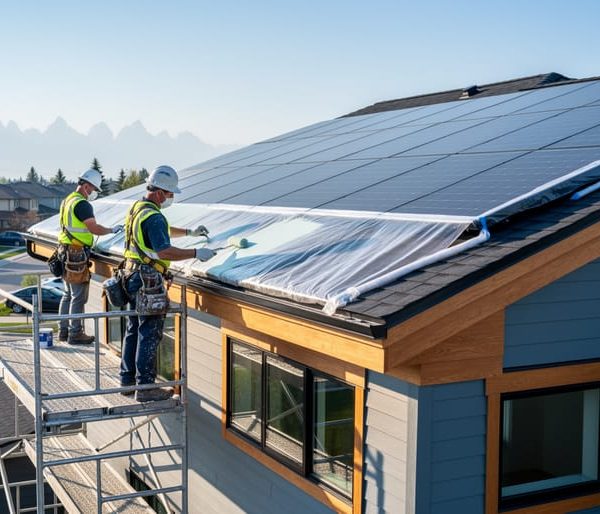
Before entrusting someone with your solar installation, it’s crucial to verify their credentials and experience. Start by asking for their contractor’s license number and confirm it’s current and valid for solar installations in your area. A reputable contractor should readily provide this information and encourage you to verify it through your state’s licensing board.
Insurance coverage is another vital aspect to discuss. Ask about their liability insurance and worker’s compensation coverage. This protects you from potential damages or injuries that might occur during installation. Request certificates of insurance and verify they’ll be valid throughout your project timeline.
Experience matters significantly in solar installation. Ask how many systems they’ve installed, particularly in your area, and request references from recent customers. Experienced contractors should be able to share success stories and provide contact information for previous clients who are willing to discuss their experience.
Don’t hesitate to inquire about their team’s training and certifications. Look for certifications from recognized organizations like the North American Board of Certified Energy Practitioners (NABCEP). These credentials demonstrate a commitment to industry best practices and ongoing education.
Finally, ask about their warranty coverage and what happens if they go out of business. A reliable contractor should offer clear warranty terms and explain how they’ll handle future service needs or warranty claims.
Installation Timeline
Understanding the timeline for your solar installation helps you plan accordingly and sets realistic expectations. A typical residential solar installation project takes between 2-3 months from contract signing to system activation, though this can vary based on several factors.
Start by asking your installer about the project milestones and their estimated completion dates. Key timeline questions should include:
“How long will the entire process take from signing to final activation?”
“What are the main project phases, and how long does each typically last?”
“How many days of actual installation work will occur at my property?”
“What factors might cause delays in the timeline?”
A standard solar installation timeline usually follows these stages:
– Site assessment and system design: 1-2 weeks
– Permit acquisition: 2-4 weeks
– Equipment ordering and delivery: 2-3 weeks
– Physical installation: 1-3 days
– Municipal inspection: 1-2 weeks
– Utility interconnection approval: 2-4 weeks
Ask about weather considerations, permit processing times in your area, and potential supply chain impacts. Also inquire about the installer’s current project load, as this can affect scheduling. Remember to get confirmation about working hours during installation days and whether weekend work might be necessary.
Request a written timeline with clear milestones to help you track progress and plan around the installation process.
Financial and Regulatory Questions
Cost Analysis
Understanding the financial aspects of solar installation is crucial for making an informed decision. Start by asking for a detailed breakdown of all costs, including equipment, labor, permits, and potential roof modifications. Inquire about payment options – whether you can purchase outright, lease the system, or secure solar-specific financing.
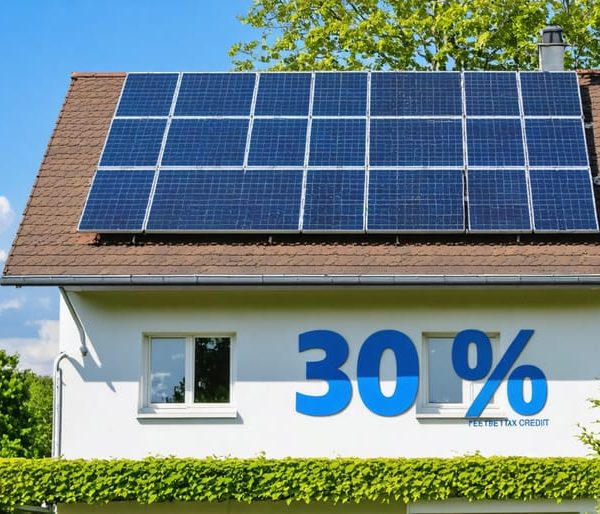
To maximize your energy savings, ask about the system’s estimated annual production and how it translates to dollar savings on your utility bills. Don’t forget to inquire about available solar incentives, including federal tax credits, state rebates, and local utility company programs that can significantly reduce your initial investment.
Request a projected return on investment (ROI) timeline and ask about factors that might affect it, such as future electricity rate increases. Understanding warranty coverage is also essential – know what’s covered and for how long. Finally, ask about any ongoing maintenance costs or monitoring fees that might impact your long-term savings.
Permits and Regulations
Before installing solar panels, you’ll need to understand and comply with local permitting requirements. Ask your installer about necessary building permits, electrical permits, and any specific solar installation permits required in your area. Some key questions include: “Who handles the permit application process?” and “Are there any additional fees I should know about?”
If you live in a homeowners association (HOA), ask about their solar panel policies. While many states have “solar rights laws” that limit HOA restrictions on solar installations, you’ll still want to review your community’s guidelines and obtain necessary approvals before proceeding.
Don’t forget to inquire about utility company requirements. Your local utility may have specific interconnection standards or application processes for connecting your solar system to the power grid. Understanding these requirements early helps avoid delays and ensures a smooth installation process.
Finally, ask about any specific zoning regulations or historic district requirements that might affect your installation. Some areas have restrictions on panel placement or may require special considerations for aesthetic purposes.
Making the switch to solar energy is an exciting journey that can transform your home into a sustainable powerhouse. By asking the right questions during your consultation and installation process, you’re setting yourself up for long-term success with your solar investment.
Remember that thorough research and careful consideration of your specific needs are crucial steps in this process. Don’t hesitate to ask multiple installers the same questions and compare their responses. A reputable solar company will welcome your questions and provide clear, detailed answers that help you make an informed decision.
Take your time to evaluate warranties, understand maintenance requirements, and calculate potential savings. Consider starting with a home energy audit to maximize the benefits of your solar installation. Make sure to document all conversations and keep copies of quotes, warranties, and agreements for future reference.
Your next steps should include requesting quotes from several certified installers, checking their credentials and customer reviews, and reviewing your property’s solar potential. Don’t forget to investigate local incentives and regulations that could affect your installation.
Remember, going solar is more than just an environmental choice – it’s a smart investment in your property’s future. With the right preparation and knowledge, you’ll be well-equipped to make this exciting transition to clean, renewable energy.